Glutathione Injections in Dubai: What to Know About Safety, Evidence, and Radiant Skin
-
- March 11th, 2026
- 1,362 views

FREE SEO Topical Map Generator: Find Your Next Content Ideas
Glutathione injections are promoted in many clinics across Dubai and globally as a route to brighter, more even-toned skin and overall antioxidant support. Interest in glutathione for skin lightening and complexion improvement has grown, but understanding what the injections are, what evidence supports their use, and what safety and regulatory frameworks apply is important before considering treatment.
- Glutathione is a naturally occurring antioxidant that has been studied for various health uses; injectable forms are used in some cosmetic settings.
- Clinical evidence for skin lightening or long-term radiant-skin effects from glutathione injections is limited and mixed.
- Regulation, safety, and quality control vary by country; the U.S. Food and Drug Administration does not list glutathione as an approved injectable for skin lightening.
- Potential risks include allergic reactions, infection from injections, and side effects from off-label or compounded formulations.
- Discuss options with licensed medical professionals and consult local regulatory guidance such as the Dubai Health Authority for standards of practice.
What glutathione is and how injections are used
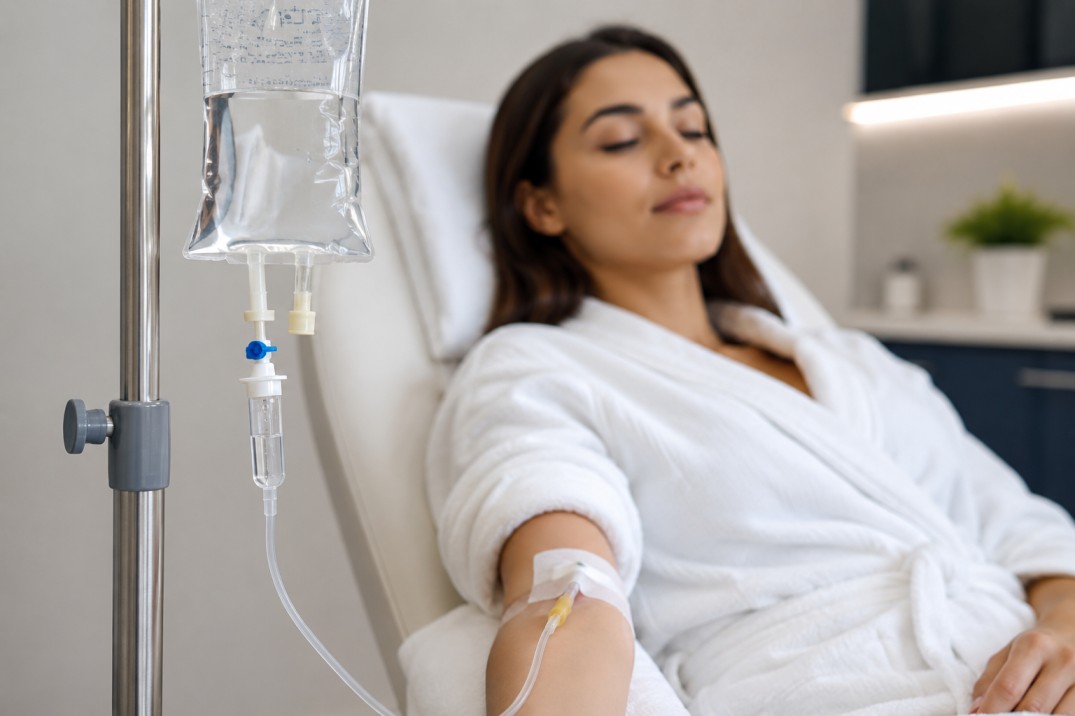
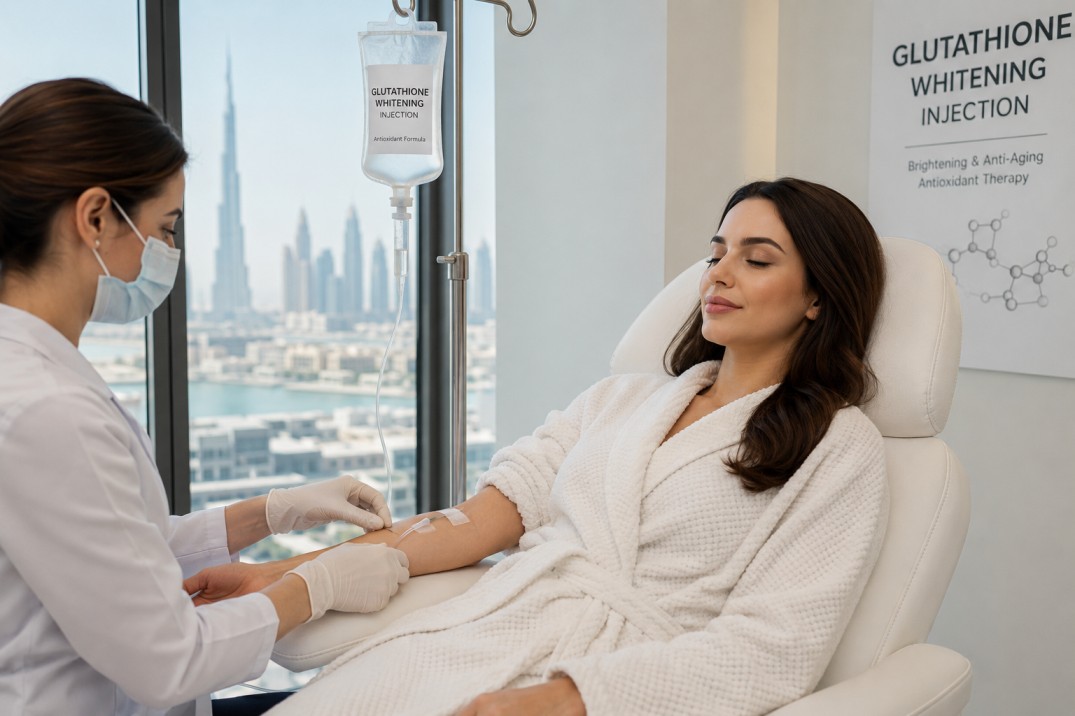
Glutathione is a tripeptide (made of cysteine, glutamate and glycine) that functions as an antioxidant in cells and plays a role in detoxification. In cosmetic practice, injectable formulations—given intramuscularly, intravenously (IV), or by direct injection—are marketed for effects that include skin lightening, reduction of hyperpigmentation, and an improved “radiant” complexion. Related concepts include melanin synthesis (the pigment pathway targeted for lightening) and antioxidant activity (a proposed mechanism for cellular effects).
Glutathione injections: what research says
Clinical studies on glutathione for skin lightening are limited in scale and quality. Some small randomized trials and observational studies report short-term reductions in melanin index or improvements in skin tone, while others find no meaningful change. Many studies differ in dose, route (oral vs. intravenous vs. intramuscular), duration, and participant characteristics, making it difficult to draw strong conclusions. Systematic reviews often note the need for larger, well-designed trials with standardized outcomes to assess both efficacy and safety.
Claims, mechanisms, and realistic expectations
How it is said to work
Proposed mechanisms include inhibition of melanin production by shifting melanin synthesis from eumelanin (darker pigment) toward pheomelanin (lighter pigment), and antioxidant effects that may protect skin cells. These mechanisms are based on laboratory and some clinical observations, but they do not guarantee predictable or long-lasting cosmetic results in all users.
What to expect
Reported results vary. Some individuals notice temporary lightening or improved clarity after a course of treatments, while others see little change. Duration of effect may be limited and maintenance treatments are commonly promoted. Expectations should be shaped by the limited and mixed quality of existing research.
Safety, regulation, and clinical standards
Safety considerations include standard risks associated with any injectable therapy: local reactions, infection if aseptic technique is not followed, allergic or hypersensitivity reactions, and complications from IV administration. Off-label use, compounded formulations, or unregulated products increase potential risks. Professional dermatology associations emphasize patient safety, informed consent, and evidence-based practice.
Regulatory status varies by jurisdiction. For example, the U.S. Food and Drug Administration does not list glutathione as an approved injectable for skin lightening and provides consumer information on cosmetic and drug approvals. Local health authorities, such as the Dubai Health Authority, set licensing and practice standards for clinics and practitioners in Dubai; consulting these bodies can clarify permitted uses and clinic accreditation.
For more information on regulatory frameworks for cosmetics and injections, refer to the U.S. Food and Drug Administration: U.S. Food and Drug Administration (cosmetics).
Practical considerations for people in Dubai
Choosing a clinic and practitioner
Seek care from licensed medical professionals working in accredited facilities. Verify practitioner credentials and clinic licensing with local regulators. A medical consultation should include discussion of potential benefits, unknowns in the evidence, possible side effects, and alternative approaches.
Cost, treatment schedules, and product sourcing
Treatment protocols vary widely; disclosed costs and schedules should be transparent. Ask about the product source, batch testing, and whether formulations are manufactured under recognized quality standards. Unverified or imported compounded products carry higher uncertainty about purity and concentration.
Alternatives and complementary approaches
Established dermatologic options for uneven skin tone and hyperpigmentation include topical treatments (retinoids, hydroquinone where approved, azelaic acid, vitamin C), chemical peels, and laser or light-based therapies administered by qualified professionals. Skin health also depends on sun protection, appropriate moisturization, and addressing underlying medical causes of pigmentation where relevant.
Summary of evidence and safety
Glutathione injections are used in some cosmetic settings in Dubai and elsewhere, with reported short-term effects in some small studies. However, robust, large-scale clinical evidence for consistent, long-term skin-lightening or radiance benefits is limited. Safety depends on product quality, administration technique, and oversight by qualified practitioners. Regulatory guidance from health authorities should inform clinical practice and patient decisions.
Are glutathione injections effective for radiant skin?
Evidence is mixed and limited. Some small studies report temporary improvements in skin tone, but high-quality, long-term trials are lacking. Clinical outcomes can vary by dose, route, product quality, and individual factors.
Are glutathione injections safe?
When administered by trained professionals using quality products, common risks are injection-related reactions, infection, and hypersensitivity. Unregulated or improperly prepared formulations increase risk. Local regulations and professional standards should guide safe practice.
How do regulations affect availability in Dubai?
Availability and permitted uses depend on local health authorities such as the Dubai Health Authority. Clinics and practitioners must comply with licensing, practice standards, and product importation rules set by regulators.
What are alternatives to injections for uneven skin tone?
Topical treatments (under dermatologist guidance), sun protection, chemical peels, and professional laser or light therapies are evidence-based alternatives commonly used to treat hyperpigmentation and improve skin appearance.
Where to find reliable information?
Consult licensed dermatologists, official health regulators, and peer-reviewed literature indexed in databases such as PubMed for clinical studies. Local authority guidance and professional society position statements can clarify safe practice standards.
Do glutathione injections make skin radiant?
Scientific support for reliable, long-term radiant-skin results from glutathione injections is limited; some users report short-term improvements while others do not. Decisions should weigh uncertain benefits against safety and regulatory considerations and involve a qualified medical consultation.