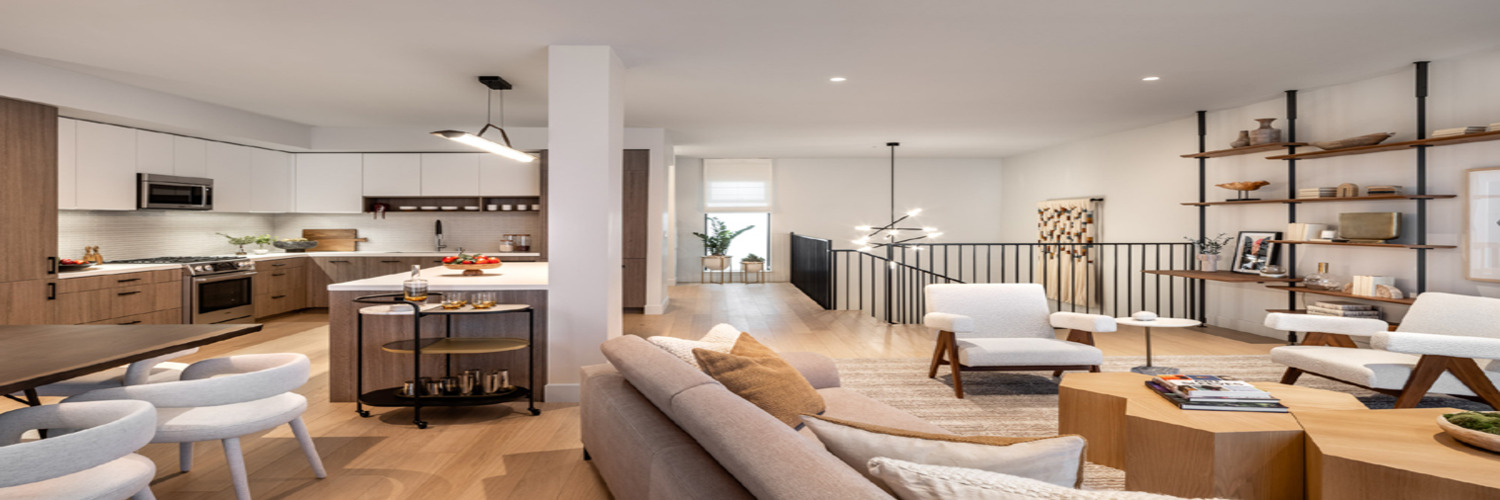
Godrej Forest Estate Nagpur: Complete Guide to Sustainable Living and Buying
-
- March 07th, 2026
- 143 views

Get a free topical map and start building content authority today.
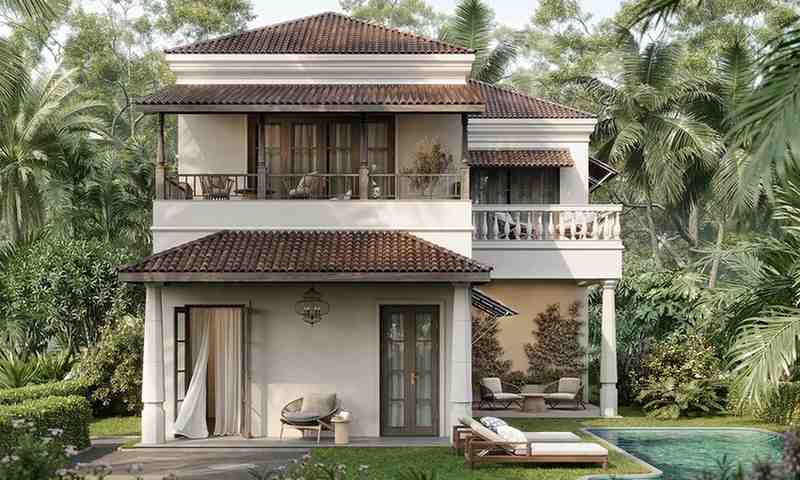
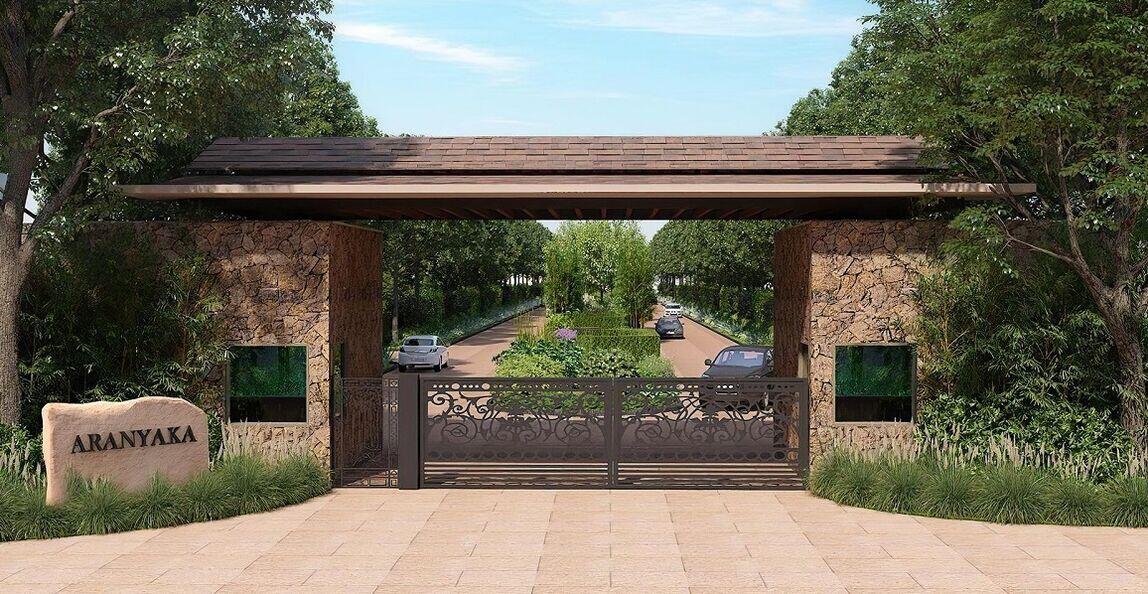
The Godrej Forest Estate Nagpur project is positioned as a greener residential community aimed at combining urban convenience with sustainable design. This guide explains what the development offers, how it fits into Nagpur's real estate market, and practical steps for evaluating a purchase or long-term stay in this neighborhood.
- Location: peripheral Nagpur with planned green buffers and road links
- Focus: green residential community with energy- and water-saving features
- Buyer's checklist included: affordability, commute, certification, maintenance
Godrej Forest Estate Nagpur: Project overview
The Godrej Forest Estate Nagpur development is presented as a master-planned residential community that emphasizes landscaped open spaces, efficient water use, and energy-conscious building systems. For buyers and planners evaluating the project, key considerations include unit mix (1–3 BHK or specific configurations), phasing of delivery, and the availability of green certifications or ratings that verify claims about sustainability.
Why a Nagpur green housing community matters
Nagpur is expanding rapidly; developments that prioritize green infrastructure — like street trees, stormwater management, and passive cooling — reduce long-term costs and improve resident comfort. A sustainable homes in Nagpur approach lowers utility bills, improves resale value, and supports municipal climate goals, particularly when projects follow recognized standards from bodies such as the Indian Green Building Council.
Key features and sustainability credentials
Energy and water efficiency
Look for elements such as LED lighting in common areas, high-efficiency water fixtures, solar-ready roofs or installed PV, and a building envelope designed to reduce cooling loads. Projects that track energy performance under national programs or adopt IGBC/LEED principles tend to have clearer long-term operational savings.
For reference on green-home best practices, see the Indian Green Building Council guidance here: IGBC.
Open space, biodiversity, and microclimate
Healthy green estate layouts include protected tree corridors, native-plant landscaping, and porous paving to support groundwater recharge. Check the master plan for park area per resident and any commitment to tree-planting targets.
Costs, timelines, and resale considerations
Assess total cost of ownership: purchase price, monthly maintenance, property tax, and expected utility bills. Confirm possession timelines and the developer's track record for completing phases on schedule. Proximity to transit and employment centers will strongly affect resale value—use travel-time estimates rather than straight-line distance when comparing options.
FOREST Living Checklist — a named checklist to evaluate the purchase
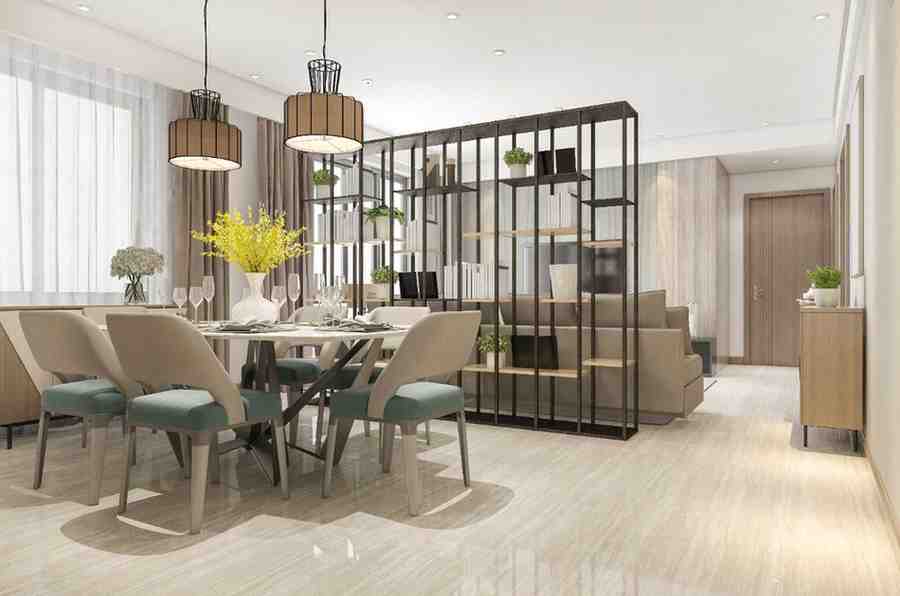
- F: Floor plan usability — check orientation, cross-ventilation, and daylight
- O: On-site green features — solar, rainwater harvesting, waste segregation
- R: Resale drivers — connectivity, school access, healthcare nearby
- E: Energy and water ratings — any IGBC/BEE labeling or third-party validation
- S: Serviceability — maintenance norms, society rules, sinking fund transparency
- T: Total cost of ownership — fees, taxes, projected utility savings
Short real-world example
A buyer considering a 2BHK in Godrej Forest Estate Nagpur compared two options: a similar-sized unit in an older building closer to the city center and a new unit in the Forest Estate. The Forest Estate unit had slightly higher purchase price but projected 20–30% lower monthly energy and water costs due to efficient fittings and planned rooftop solar. After factoring maintenance and a 5–7 year resale horizon, the greener unit provided better total cost-of-ownership for the family that prioritized lower running costs and a quieter environment.
Practical tips before deciding
- Verify any sustainability claims with documentation: look for IGBC/LEED certificates or third-party energy audits.
- Request full disclosure of maintenance charges and the sinking fund; ask how common-area systems (pumps, lighting) are serviced.
- Assess actual commute times at peak hours to realistic workplaces rather than relying on off-peak maps.
- Ask for modeled utility bills or benchmarks from similar buildings; compare to local averages published by municipal utilities.
Common mistakes and trade-offs
Overvaluing marketing language
Marketing often highlights green elements without committing to operational performance. A common mistake is assuming 'green' branding equals low running costs—verification through certification or measured energy data is necessary.
Ignoring maintenance and lifecycle costs
Lower upfront price can hide higher long-term costs. Newer developments sometimes raise maintenance charges after initial years; clarify these rules upfront.
Trade-offs to expect
Choosing a greener site often means accepting a slightly longer commute or being on the urban periphery. The trade-off is lower utility costs, more open space, and potentially stronger appreciation if sustainable infrastructure becomes a market preference.
Core cluster questions
- What certification standards should buyers look for in green residential projects?
- How do energy-saving features affect monthly maintenance and resale value?
- What are realistic commute times from peripheral Nagpur developments to central business districts?
- Which water-management systems are most effective in a Nagpur climate?
- How do homeowners' association rules typically affect sustainability practices in gated communities?
Next steps for prospective buyers
Request project documentation: master plan, unit plans, sustainability certifications, phasing schedule, maintenance policy, and an itemized estimate of monthly running costs. Arrange a site visit during peak and off-peak hours. Compare at least two comparable developments—one green-focused and one conventional—to weigh trade-offs objectively.
Purchase checklist (quick)
- Confirm title clearances and RERA registration details
- Obtain written commitments on delivery date and quality standards
- Validate sustainability claims with certificates or measured performance data
- Get a breakdown of one-time and recurring costs before signing
Frequently asked questions
Is Godrej Forest Estate Nagpur a good investment?
Investment quality depends on objectives: for lower running costs, more open space, and potential long-term demand for sustainable homes, the project can be attractive. Confirm timelines, maintenance rules, and local connectivity to ensure alignment with investment goals.
What sustainability certifications should be expected?
Look for IGBC Green Homes or IGBC-rated master plan levels, BEE energy ratings for appliances and pumps, and evidence of water-harvesting systems. Certification by independent bodies provides stronger evidence than marketing claims alone.
How do maintenance charges compare to older projects?
Newer green projects can have higher immediate maintenance charges due to advanced systems (solar maintenance, water-treatment). However, lower energy and water usage often offsets these costs over time—request modeled bills from management.
What should be checked during a site visit?
Inspect tree cover and landscaping, check orientation and ventilation of sample flats, observe finish quality, and ask to see operational systems (pump rooms, wastewater treatment) if available.
Are there incentives for sustainable homes in Nagpur?
Some municipal and national programs offer incentives or faster approvals for projects that meet green building standards; confirm with local authorities and review any incentives linked to energy-efficient appliances or rooftop solar.