Complete Guide to Google Ads Bidding Options for Higher CTR and Conversions
-

- Published Updated
- 1,382 views
Choosing the right Google Ads bidding options shapes campaign performance by influencing click-through rate (CTR), cost per click (CPC), and conversion outcomes. This guide explains common bid strategies, how they differ, and practical steps to test and optimize for both higher CTR and improved conversion rates.
- Overview of major bid strategies: Manual CPC, Enhanced CPC, Maximize Clicks, Maximize Conversions, Target CPA, Target ROAS.
- When to prioritize CTR versus conversions and which strategies align with each goal.
- Practical testing steps: conversion tracking, sufficient data windows, budget alignment, and monitoring metrics.
Understanding Google Ads bidding options
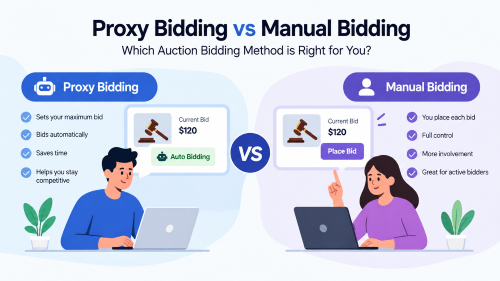
Google Ads bidding options determine how bids are set in auction and whether bids are managed manually or by automated systems. Manual bidding gives direct control over bids at the keyword or ad group level, while automated or Smart Bidding strategies use machine learning to adjust bids for conversions, conversion value, or clicks. Common terms that appear across platforms include CPC (cost per click), CPM (cost per thousand impressions), CPA (cost per acquisition), and ROAS (return on ad spend).
Core strategy types
- Manual CPC: Direct control over bids. Useful for fine control and small-scale testing but requires ongoing adjustments.
- Enhanced CPC (eCPC): A hybrid that raises or lowers manual bids based on conversion likelihood estimates.
- Maximize Clicks: Automated strategy that prioritizes volume of clicks—can improve CTR but may reduce conversion efficiency if not paired with targeting.
- Maximize Conversions / Maximize Conversion Value: Uses historical data to target users most likely to convert or deliver highest conversion value.
- Target CPA: A Smart Bidding option that aims to achieve conversions at or near a target cost per acquisition.
- Target ROAS: Optimizes for conversion value relative to cost, useful when the value of conversions varies by user or product.
- CPM / vCPM / CPV: Common for display and video inventory where visibility or views matter more than clicks.
Official documentation and policy details are maintained by the platform’s support resources; consult the product help center for the latest implementation guidance: Google Ads Help.
Choosing a bidding strategy to maximize click-through rate and conversion
Selecting the appropriate bid approach depends on campaign goals, conversion tracking quality, budget, and available historical data. Align the bidding strategy to primary objectives rather than trying to force one strategy to achieve mismatched goals.
When to prioritize CTR
Maximize Clicks or manual CPC with aggressive keyword bids can increase CTR. Prioritizing CTR makes sense for awareness and testing phases, discovering which keywords and ad creatives attract attention. However, CTR alone does not guarantee commercial success; pairing click-focused strategies with relevant landing pages is essential to avoid wasted spend.
When to prioritize conversions
Smart Bidding strategies like Target CPA, Target ROAS, and Maximize Conversions are designed to lift conversion metrics by using signals such as device, location, time of day, and user behavior. These strategies generally require reliable conversion tracking and enough historical conversion volume for machine learning to perform effectively.
Practical steps and optimization tips
Set up accurate conversion tracking
Conversion tracking quality is foundational. Verify that conversion actions reflect business goals (form fills, purchases, leads) and that conversion windows and attribution models align with typical user behavior. Without accurate tracking, automated bidding may optimize the wrong signals.
Allow sufficient learning time
Smart Bidding strategies require a learning period. Avoid frequent strategy or bid changes during this window. For low-volume accounts, consider first increasing budget or consolidating campaigns so the algorithm can gather meaningful data faster.
Test methodically
- Run A/B tests comparing a manual or Maximize Clicks setup against a Smart Bidding approach for the same audience and creatives.
- Keep other variables stable—ads, landing pages, and targeting—so results isolate the effect of bidding.
- Document test length and statistical significance criteria before starting.
Use bid adjustments strategically
Device, location, audience, and ad schedule adjustments can refine performance. For example, increase bids for high-converting locations or reduce bids during low-performing hours. Where Smart Bidding is used, adjustments may be combined with signals to improve outcomes.
Watch Quality Score and landing page experience
Ad relevance, expected CTR, and landing page experience affect auction dynamics and actual CPCs. Improving creative relevance and page load times often yields better CTR and conversion rates without raising bids.
Common pitfalls
- Switching strategies too frequently prevents bid algorithms from learning.
- Using conversion goals that are too broad or too narrow can misdirect automated bidding.
- Insufficient budget relative to target CPA or ROAS expectations hampers strategy performance.
Measurement and governance
Maintain regular reporting on CTR, conversion rate, cost per conversion, and conversion value. Use platform attribution reports and, when relevant, compare against external analytics to validate results. Industry guidelines from organizations such as the Interactive Advertising Bureau (IAB) inform measurement best practices and transparency standards.
Frequently asked questions
What are Google Ads bidding options and how do they influence CTR and conversions?
Google Ads bidding options range from manual CPC and Enhanced CPC to Smart Bidding types like Target CPA, Target ROAS, Maximize Clicks, and Maximize Conversions. Strategies focused on clicks can boost CTR but may not improve conversions without targeted landing pages and audiences. Smart Bidding uses historical and contextual signals to optimize for conversions or conversion value, typically improving conversion metrics when conversion tracking and sufficient data are present.
How long should a Smart Bidding strategy run before judging performance?
Allow at least 2–4 weeks, or enough time to accumulate a statistically meaningful number of conversions. Low-volume accounts may need a longer period or higher budgets to reach a reliable learning threshold.
Is conversion tracking required for automated bidding?
Conversion tracking is strongly recommended for Smart Bidding strategies. These approaches rely on conversion signals to train models; without accurate tracking, automated bids may optimize toward less meaningful outcomes.
When is manual bidding still a good choice?
Manual bidding is useful when precise control over individual keyword bids is needed, for campaigns with limited data, or for tactical testing. Manual control can also help maintain visibility for high-priority terms while building conversion data for automated strategies.