Google Cloud Platform (GCP): Complete Overview of Services, Architecture, and Use Cases
-

- Published Updated
- 1,576 views
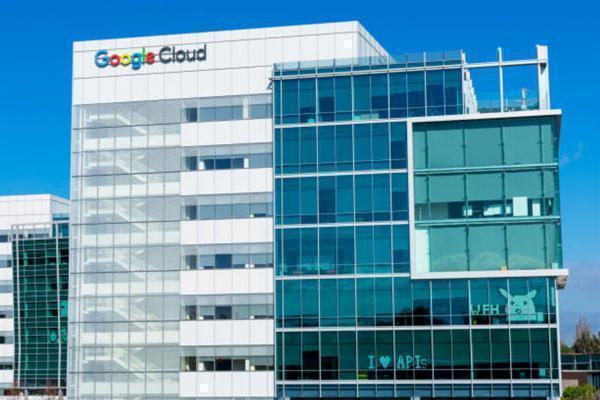
Google Cloud Platform (GCP) is a suite of cloud computing services that provides infrastructure, platform, and managed services for running applications, storing data, and analyzing information at scale. Organizations use GCP for virtual machines, container orchestration, serverless computing, storage, networking, and advanced data and machine learning tools.
Google Cloud Platform (GCP) offers IaaS, PaaS, and managed services including compute, storage, networking, databases, BigQuery analytics, and AI/ML tools. GCP organizes resources by projects, regions, and zones, and includes identity and access management, monitoring, and compliance certifications for enterprise use.
Google Cloud Platform (GCP): core purpose and categories of services
GCP delivers a range of cloud computing capabilities that fall into common categories: compute, storage, networking, databases, analytics, machine learning, and developer tooling. Compute services include virtual machines and managed container platforms. Storage ranges from object storage to block storage and archival solutions. Analytics and data warehousing services support batch and streaming workloads, while AI and machine learning services provide prebuilt models and infrastructure for training custom models.
Main service categories
Common service groupings and examples include:
- Compute: virtual machine instances and managed container orchestration.
- Storage: object storage for unstructured data, persistent disks, and archival tiers.
- Networking: virtual private clouds, load balancing, and content delivery networks.
- Databases: managed relational and NoSQL databases and in-memory stores.
- Analytics & BI: scalable data warehouses and stream processing services.
- AI/ML: prebuilt APIs, AutoML tools, and managed training infrastructure.
- Management & Security: identity and access management, logging, monitoring, and policy tools.
How GCP is organized
Resources are grouped into projects, which belong to an organization. Compute and storage resources are deployed in regions and availability zones to support redundancy and proximity to users. Identity and access management (IAM) controls permissions at project and resource levels, and networking services connect cloud resources to on-premises systems or the public internet.
Technical features, scalability, and common use cases
Scalability and architectures
GCP supports horizontal scaling through managed instance groups, container orchestration, and serverless functions. Architectures commonly mix managed services (for reduced operational overhead) with custom virtual machines for specialized workloads. Hybrid and multi-cloud deployments are supported through tools for orchestration and consistent management across environments.
Typical use cases
Frequent scenarios for using GCP include:
- Web applications and APIs that require scalable compute and load balancing.
- Data analytics and business intelligence using managed data warehouses and stream processing.
- Machine learning projects from model prototyping to large-scale training.
- Backup, archival storage, and disaster recovery solutions for enterprise data.
- Containerized workloads and microservices using orchestration platforms and serverless platforms.
Security, compliance, and reliability considerations
Security controls and identity
Security features include identity and access management (IAM), encryption at rest and in transit, key management services, and network security controls. Logging, monitoring, and audit capabilities help track configuration changes and operational behavior. Compliance attestations and third-party audits cover many industry standards and regulations.
Compliance and certifications
GCP maintains certifications and statements of compliance for standards such as ISO/IEC 27001, SOC 1/2/3, and provides controls to help meet regulatory requirements like the EU General Data Protection Regulation (GDPR). Organizations typically map provider controls to internal compliance frameworks and external regulatory obligations; official documentation from the provider and independent auditors can be consulted for specifics.
For authoritative documentation and the latest service descriptions, see the official provider site: cloud.google.com.
Costs, pricing models, and operational considerations
Pricing approaches
Pricing varies by service and is commonly usage-based with options for sustained-use discounts, committed use contracts, and free tiers for certain services. Cost management tools help estimate and monitor expenses. Architectural choices—such as selecting managed services versus self-managed instances—have direct impacts on operational cost and staffing needs.
Operational best practices
Operational considerations include planning for resource quotas, backups and recovery, monitoring and alerting, automated deployment pipelines, and governance policies for access and billing. Infrastructure-as-code tools and continuous delivery practices are commonly used to maintain reproducible environments.
Frequently asked questions
What is Google Cloud Platform (GCP)?
Google Cloud Platform (GCP) is a collection of cloud computing services for building, deploying, and operating applications and services on Google’s infrastructure. It includes compute, storage, database, analytics, and machine learning services, organized by projects, regions, and zones.
How does GCP differ from other public cloud providers?
Differences involve specific service offerings, global network architecture, pricing models, and integrations with other products. Evaluations should compare services, performance, regional availability, compliance coverage, and ecosystem tools against organizational requirements.
Is GCP suitable for enterprise workloads?
GCP provides enterprise-grade features like identity and access management, encryption, compliance certifications, and managed services for large-scale workloads. Suitability depends on technical requirements, data residency needs, and existing operational practices.
How are regions and zones used for reliability?
Regions are geographic areas that contain multiple zones. Deploying resources across multiple zones within a region can protect against single-zone failures; multi-region architectures provide higher availability and disaster recovery options.
What are common tools for cost management and governance?
Common tools include native billing reports, budgets and alerts, resource labeling, and policy enforcement frameworks. Many organizations also use third-party tools or infrastructure-as-code to enforce governance and track costs at scale.
Where to find official documentation and compliance details?
Official documentation, product details, and compliance reports are published by the cloud provider and by independent auditors. Consult provider documentation and compliance whitepapers for the most current information.