How Group Therapy Helps Reduce Anxiety: Benefits, Evidence, and What to Expect
-

- February 23rd, 2026
- 1,714 views

FREE SEO Topical Map Generator: Find Your Next Content Ideas
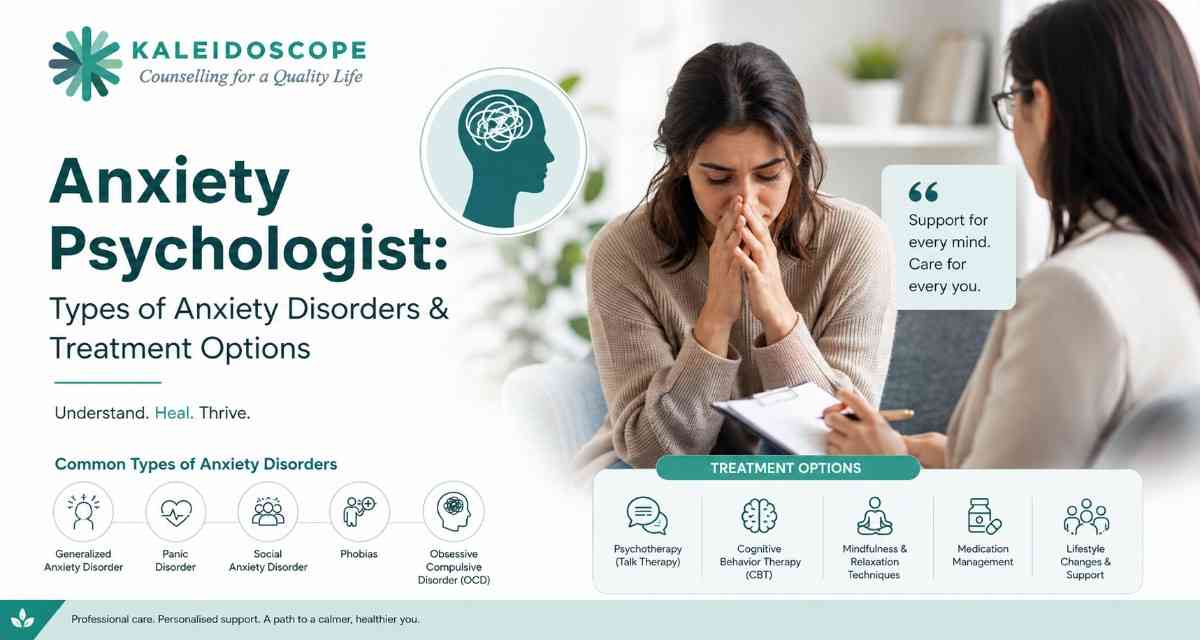
Group therapy for anxiety is a form of psychosocial treatment in which people with similar concerns work together under the guidance of one or more trained clinicians. This format combines evidence-based techniques, peer interaction, and therapist-led processes to address symptoms of generalized anxiety disorder, social anxiety, panic disorder, and other anxiety-related conditions.
- Group therapy offers peer support, opportunities for exposure, and structured skill practice for people with anxiety.
- Research, including randomized trials and meta-analyses, finds group formats can be as effective as individual therapy for many anxiety disorders.
- Common approaches used in groups include cognitive-behavioral therapy (CBT), exposure techniques, and social skills training.
- Potential drawbacks include privacy concerns and variable group cohesion; suitability depends on individual needs and clinical severity.
Group therapy for anxiety: key advantages
The main advantages of group therapy for anxiety arise from combining therapeutic techniques with social processes. Structured interventions such as cognitive restructuring, behavioral experiments, and graded exposure are delivered in a setting where participants can observe, practice, and receive feedback. This environment provides real-time opportunities to test anxious predictions and to build social confidence.
Peer support and normalization
Meeting others who experience similar fears helps reduce isolation and stigma. Hearing peers describe parallel symptoms or recovery steps can normalize anxious reactions and make symptoms easier to discuss. Peer feedback often includes practical coping strategies and encouragement that complement clinical instruction.
Opportunities for safe exposure and role-play
Group sessions create chances for in-session exposure exercises and role-play that mirror everyday social or performance situations. Repeated, supported practice under a therapist’s supervision can accelerate desensitization and improve confidence in real-world contexts.
Cost-effectiveness and accessibility
Delivering therapy in small groups can reduce per-person cost and increase access to evidence-based care, especially in community mental health settings. Group formats also allow therapists to teach skills to multiple people at once, which can be efficient for common conditions like generalized anxiety disorder and social anxiety disorder.
Skill acquisition and mutual accountability
Groups typically emphasize learning practical techniques—breathing and relaxation, cognitive restructuring, problem-solving, and relapse prevention. Group members can hold one another accountable for homework and between-session practice, which may improve adherence compared with self-directed efforts.
What the research says
Clinical trials and systematic reviews indicate that group-based cognitive-behavioral therapy (CBT) and related approaches are effective for several anxiety disorders. Meta-analyses show medium to large effect sizes for symptom reduction in social anxiety and panic disorder when compared with waitlist controls, and outcomes often approach those of individual therapy in many studies. For current summaries and public-facing resources on anxiety treatment, visit the National Institute of Mental Health (NIMH).
Who may benefit most
Good candidates
People who experience moderate anxiety, who can engage in group discussion and exercises, and who value social feedback may benefit most. Group therapy can be especially helpful for social anxiety disorder, situational anxieties, and for those seeking skill-based treatment like CBT or acceptance and commitment therapy (ACT) in a shared format.
When individual therapy or combined treatment is preferable
Individuals with severe symptoms, active self-harm risk, psychosis, or cognitive impairment may require individual care or a combined approach before joining a group. Clinicians commonly evaluate suitability during intake and may recommend stepping-stone services such as individual stabilization or medication management alongside group treatment.
How group sessions are structured
Typical group therapy runs weekly for 8–16 sessions, though some programs are ongoing. Sessions often include check-ins, skills teaching, in-session practice (role-play or exposure), homework review, and planning. Groups are usually led by licensed mental health professionals trained in evidence-based methods and group facilitation.
Confidentiality and group norms
Groups operate under agreed norms including confidentiality, respectful communication, and participation expectations. While confidentiality is emphasized, absolute privacy cannot be guaranteed in peer settings; understanding group rules before joining is important.
Potential drawbacks and considerations
Possible drawbacks include variability in group dynamics, concerns about privacy, and the need to align schedules. Some members may find hearing others’ distress triggering. Effective programs screen participants, set clear guidelines, and provide facilitator training to manage these risks.
How to find and prepare for a group
Search for groups through licensed mental health providers, community health centers, universities, or professional directories. Ask about the therapeutic approach, group size, facilitator qualifications, session frequency, and an intake process. Preparing by identifying goals and being ready to practice between sessions can improve outcomes.
Frequently asked questions
What is group therapy for anxiety and how does it help?
Group therapy for anxiety brings together individuals with similar symptoms to learn and practice coping strategies under professional guidance. It helps through peer support, structured skill training, exposure opportunities, and feedback, which together can reduce avoidance and improve functioning.
Is group therapy as effective as individual therapy?
Evidence suggests group-based CBT is comparable to individual CBT for many anxiety disorders, though individual therapy may be preferred for severe or complex cases. Effectiveness depends on treatment quality, group cohesion, and appropriate matching of participants.
How long does it take to see improvement?
Some people notice reduced anxiety within a few weeks of consistent participation; typical programs run 8–16 weeks. Lasting improvement often depends on continued practice and follow-up support.
Can medications and group therapy be used together?
Medications prescribed by a qualified clinician can be used alongside group therapy when appropriate. Coordination between prescribing providers and therapists supports integrated care planning.
For personalized recommendations and treatment planning, consult licensed mental health professionals and refer to public health authorities such as the National Institute of Mental Health for summaries of evidence and resources.