Best Hair Regrowth Treatments in India: What Actually Works Today
-

- Published Updated
- 8,994 views
Hair loss is one of the most common concerns people face today, and in India it affects both men and women across all age groups. What begins as a few extra strands on the pillow often turns into a search for the best hair regrowth treatment in India. Unfortunately, the internet is filled with confusing advice, miracle oils, and dramatic promises that rarely deliver real results.
The truth is that hair loss is not caused by a single factor. Genetics, lifestyle, diet, stress, hormonal imbalance, and environmental damage all play a role. Understanding the root cause is the first step toward choosing the right treatment. Instead of chasing trends, it helps to understand what actually works in modern hair restoration.
Let’s break it down in a practical, no-nonsense way.
Why Hair Loss Is Increasing in India
Hair loss used to be something people associated mostly with aging. Today, many individuals start noticing thinning hair in their twenties. There are several reasons behind this shift.
Urban lifestyles have changed dramatically. Long working hours, irregular sleep, and constant stress increase cortisol levels in the body. High cortisol levels can disrupt the hair growth cycle and push follicles into the shedding phase faster.
Another overlooked factor is pollution and water quality. Many Indian cities have hard water, which contains high levels of minerals that can damage hair shafts and irritate the scalp. When combined with dust and pollution, scalp health gradually declines.
Diet also plays a major role. A large percentage of Indians are deficient in Vitamin D, iron, and protein, all of which are essential for healthy hair growth. When the body lacks these nutrients, hair becomes weaker and thinner over time.
Of course, genetics still remains the leading cause of hair loss, particularly a condition known as androgenetic alopecia, also called pattern baldness.
Understanding the Hair Growth Cycle
To understand treatment options, it helps to know how hair actually grows.
Hair grows in three main stages:
Anagen Phase (Growth Phase)
This is when hair actively grows. The longer this phase lasts, the thicker and longer the hair becomes.
Catagen Phase (Transition Phase)
Hair stops growing and prepares to shed.
Telogen Phase (Resting Phase)
Hair eventually falls out and a new hair strand begins forming.
Hair loss treatments mainly aim to extend the growth phase and reactivate dormant follicles. Different treatments achieve this in different ways.
Medical Treatments That Actually Work
While home remedies may support scalp health, medical treatments are usually required when hair thinning becomes noticeable.
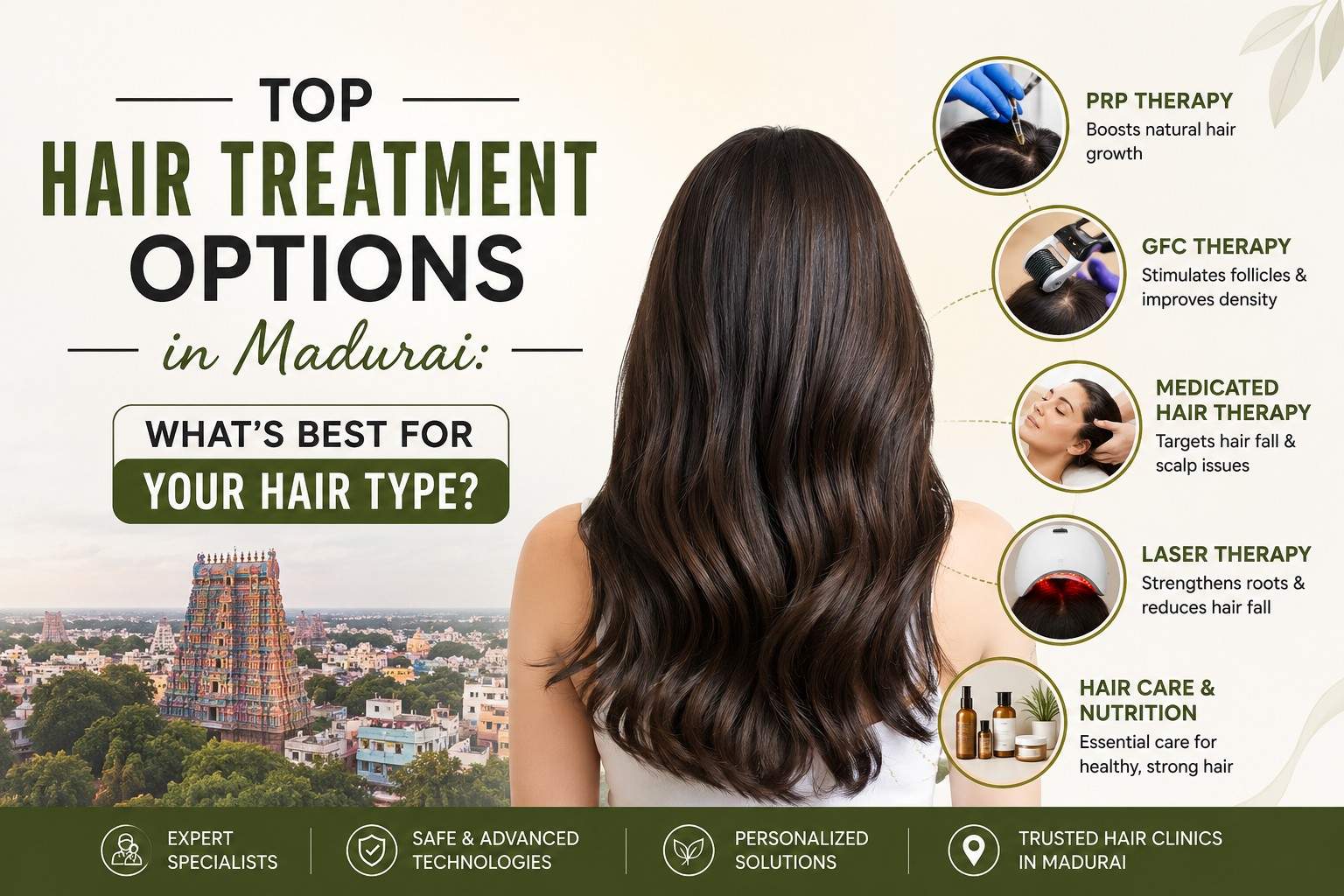
1. PRP Therapy (Platelet-Rich Plasma)
PRP therapy has become one of the most popular non-surgical hair treatments in India.
In this procedure, a small amount of the patient’s blood is drawn and processed to concentrate the platelets. These platelets contain growth factors that help stimulate hair follicles.
The PRP is then injected into areas of thinning hair. These growth factors improve blood circulation and encourage follicles to produce thicker hair strands.
PRP works best for early-stage hair thinning rather than complete baldness.
Most people require 3 to 4 sessions spaced a few weeks apart, followed by maintenance sessions.
2. Growth Factor Therapy
Newer treatments are moving beyond traditional PRP toward growth factor-based therapies. These treatments use advanced bioactive molecules designed to stimulate dormant follicles and improve scalp health.
Unlike PRP, which depends on the patient’s own blood quality, these treatments deliver consistent concentrations of regenerative proteins.
Many clinics in India now recommend these therapies for individuals experiencing mild to moderate hair thinning.
The main advantage is minimal downtime. Patients can usually resume normal activities immediately after the session.
3. Hair Transplant Surgery
When hair follicles are permanently lost, medical therapies alone cannot restore them. In such cases, hair transplant surgery becomes the most effective solution.
India has become a global destination for hair transplants because of experienced surgeons and comparatively affordable procedures.
The most widely used method today is Follicular Unit Extraction (FUE).
During FUE, individual hair follicles are extracted from the donor area (usually the back of the scalp) and transplanted into areas with thinning or no hair.
Modern transplant techniques focus on:
Natural hairline design
Proper hair density
Correct hair direction and angle
This ensures the results look completely natural rather than artificial.
The Role of Medication
Doctors often combine treatments with medications to slow hair loss and improve results.
Two commonly used medications include:
Minoxidil – a topical solution that improves blood flow to the scalp and extends the hair growth phase.
Finasteride – an oral medication that reduces the hormone responsible for pattern baldness in men.
These medications are usually recommended as long-term maintenance treatments.
Nutrition: The Overlooked Hair Treatment
One of the most underestimated aspects of hair health is nutrition.
Hair is made primarily of keratin, a type of protein, so inadequate protein intake directly affects hair growth.
Common deficiencies linked to hair loss include:
Iron deficiency
Vitamin D deficiency
Vitamin B12 deficiency
Zinc deficiency
Including nutrient-rich foods in the diet can significantly improve treatment outcomes.
Some helpful foods include:
Eggs and dairy products
Lentils and chickpeas
Spinach and leafy vegetables
Nuts and seeds
Fresh fruits
Doctors often recommend blood tests to identify deficiencies before starting treatment.
Lifestyle Habits That Affect Hair
Beyond treatments and diet, daily habits also influence hair health.
Simple lifestyle changes can make a noticeable difference:
Improve sleep quality
Hair follicles repair themselves during sleep. Poor sleep patterns can disrupt this process.
Manage stress
Chronic stress is a major trigger for hair shedding conditions like telogen effluvium.
Avoid excessive heat styling
Frequent use of straighteners and blow dryers weakens hair strands.
Choose gentle hair care products
Harsh shampoos can irritate the scalp and worsen hair fall.
Small improvements in daily routines can support long-term hair growth.
When to Seek Professional Help
Many people delay treatment until hair loss becomes severe. However, early intervention produces the best results.
You should consider consulting a specialist if you notice:
Increased hair shedding for several months
Visible scalp through thinning hair
Receding hairline
Widening hair part
Sudden patchy hair loss
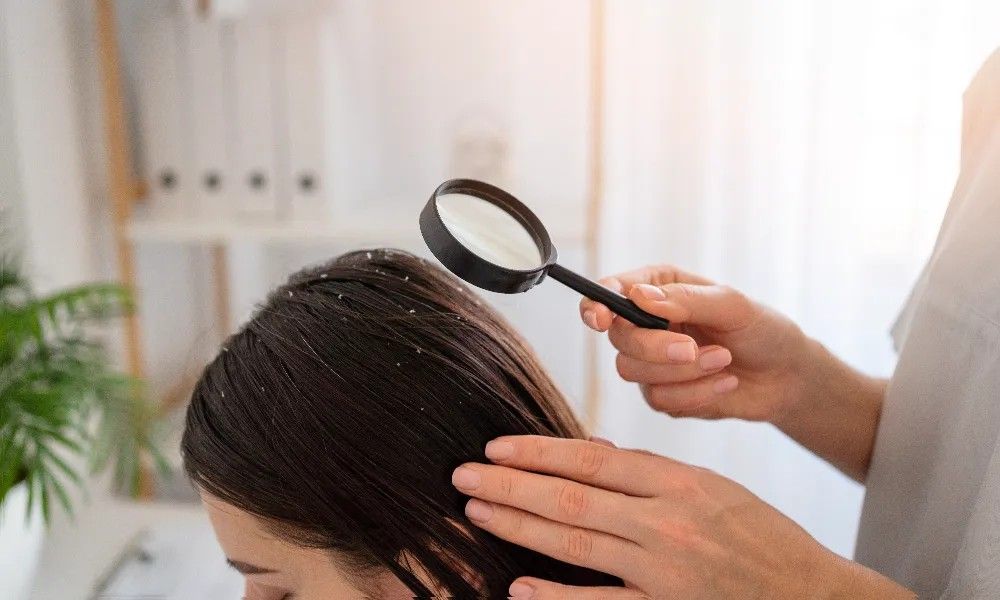
A professional evaluation usually includes scalp examination, medical history, and blood tests to determine the underlying cause.
Choosing the Right Hair Treatment Clinic
Selecting a reliable clinic is just as important as choosing the treatment itself.
Before committing to any procedure, consider the following:
Check the doctor’s qualifications and experience
Ask for real patient results rather than promotional images
Avoid clinics promising guaranteed results
Look for personalized treatment plans
Hair restoration is a medical process, and responsible clinics focus on realistic expectations rather than exaggerated claims.
The Future of Hair Restoration in India
Hair treatment technology is evolving quickly. Clinics are increasingly adopting regenerative therapies that combine biotechnology with advanced surgical techniques.
Future treatments may include:
Stem cell therapy
Exosome therapy
Personalized scalp regeneration treatments
These innovations aim to improve hair density while reducing the need for invasive procedures.
Final Thoughts
Finding the best hair treatment in India does not mean chasing the latest trend or the most expensive procedure. The right treatment depends on the cause of hair loss, the stage of thinning, and individual health factors.
For early hair thinning, non-surgical treatments like PRP and growth factor therapy can help stimulate follicles and slow hair loss. For advanced baldness, modern hair transplant techniques provide natural and long-lasting results.
However, the most effective approach often combines medical treatment, proper nutrition, and healthy lifestyle habits.
Hair restoration is a journey rather than a quick fix. With the right guidance and early action, it is possible to regain both hair confidence and long-term scalp health.