15 Halim Seeds Benefits for Hair, Skin, and Health
-
- Published Updated
- 6,259 views
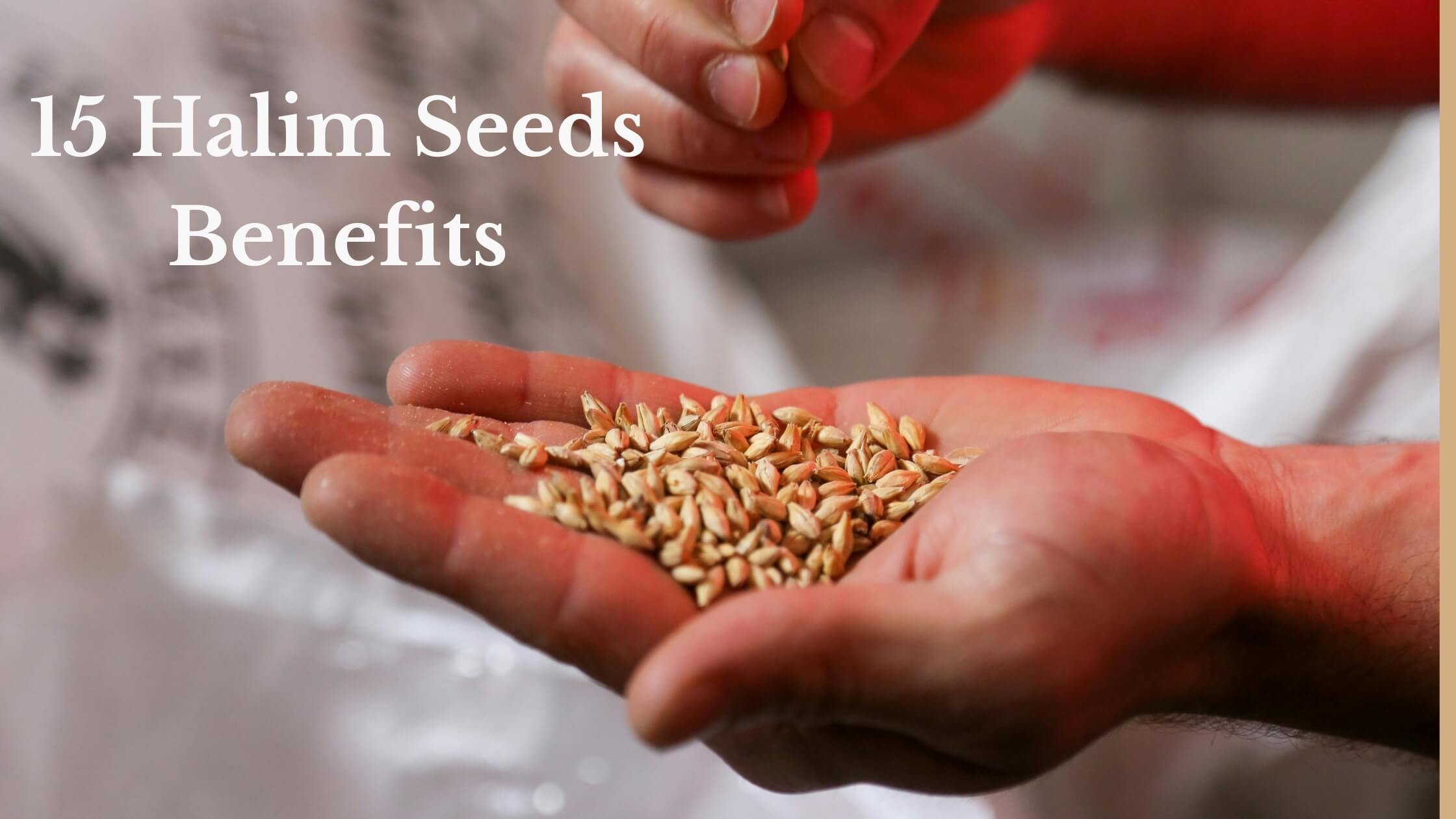
Halim seeds, better known in the US as garden cress seeds, are tiny reddish-brown seeds with an outsized nutritional profile. Families across India have eaten them for generations to support hair, skin, and overall health, and the seeds are now showing up in American health food stores and online supplement shops too.
This guide breaks down what halim seeds actually do for the body, backed by nutrition data and published research rather than folklore.
What Are Halim Seeds (Garden Cress Seeds)?
Organic Halim seeds come from the garden cress plant, scientifically named Lepidium sativum. The plant belongs to the same family as mustard and watercress, which explains its peppery, slightly bitter taste.
Farmers grow garden cress commercially across the United States, Europe, and India. Most American shoppers know the plant by its English name, garden cress, while halim, aliv, and chandrasur are common names used across South Asia.
The seeds are small, oval, and turn a deep reddish-brown color once dried. Soaking them in water brings out a gel-like coating, similar to chia seeds, even though the two plants belong to entirely different families.
Halim Seeds Nutrition Facts
A 100-gram serving of dried garden cress seeds contains roughly 24 grams of protein, 23 grams of fat, and 31 grams of carbohydrates, based on seed composition data published in a 2022 peer-reviewed review in Food Production, Processing and Nutrition. The same review puts dietary fiber at close to 12 grams per 100 grams.
The seeds rank among the richest plant sources of iron. Food composition data cited across multiple nutrition reviews places iron content at roughly 100 milligrams per 100 grams, several times higher than spinach.
Nutrient (per 100g dried seeds) |
Approximate Amount |
Protein |
24 g |
Fat |
23 g |
Carbohydrates |
31 g |
Dietary fiber |
12 g |
Iron |
100 mg |
Alpha-linolenic acid (omega-3) |
~32% of total fat |
Linoleic acid (omega-6) |
~12% of total fat |
Halim seeds also supply calcium, folate, and vitamins A, C, and E. Healthline reports the seeds contain close to 32 percent alpha-linolenic acid, an omega-3 fat, and 12 percent linoleic acid, an omega-6 fat, both essential fatty acids the body cannot produce on its own.
15 Halim Seeds Benefits for Hair, Skin, and Health
Hair Benefits
1. Supports scalp oxygen supply
Iron carries oxygen to every cell in the body, including hair follicles. A scalp that receives less oxygen tends to grow weaker, slower hair, which is the main reason halim seeds for hair growth show up so often in South Asian hair care routines.
2. Helps with protein synthesis for hair strands
Hair is mostly keratin, a protein. The 24 grams of protein per 100 grams found in halim seeds gives the body raw material for keratin, while zinc supports the enzymes involved in that process.
3. Omega-3 fats may calm scalp inflammation
Research links chronic scalp inflammation to hair thinning. The alpha-linolenic acid in halim seeds works as an anti-inflammatory omega-3, which may support a healthier scalp environment over time.
4. Antioxidants help protect hair follicles
Garden cress seeds contain antioxidant compounds, including gallic acid and kaempferol glucuronide, identified in phytochemical research published in the same 2022 review. Antioxidants help neutralize free radicals that can damage follicle cells.
5. Traditional use for iron-deficiency hair loss
Iron-deficiency anemia is a well-documented cause of hair shedding. Because halim seeds are iron-dense, South Asian households traditionally turn to them for anemia-related hair loss, alongside proper medical treatment when needed.
Skin Benefits
6. Vitamin C supports collagen production
Collagen keeps skin firm and elastic, and the body needs vitamin C to make it. Halim seeds contain a notable amount of vitamin C, which makes them a useful addition to a varied, skin-supportive diet.
7. Anti-inflammatory compounds may help acne-prone skin
The seeds contain glucosinolates, sulfur-based plant compounds with documented anti-inflammatory activity. Traditional practices in South Asia use garden cress preparations to calm inflamed or irritated skin.
8. Antioxidants fight visible signs of aging
Free radical damage from sun exposure and pollution speeds up visible skin aging. The antioxidant compounds in garden cress seeds help offset some of that oxidative stress as part of a regular diet.
9. Vitamin A supports skin cell renewal
Vitamin A plays a direct role in skin cell turnover. Garden cress seeds provide carotenoids that the body converts into vitamin A, supporting the skin's natural repair cycle.
10. Healthy fats help maintain the skin barrier
The omega-3 and omega-6 fatty acids in halim seeds contribute to the lipid barrier that keeps skin hydrated and protected from irritants.
Health Benefits
11. One of the best plant sources of iron for anemia
A study on anemic adolescent girls in Tamil Nadu, India, found that a daily health mix containing garden cress seeds improved hemoglobin levels over a six-month period, according to research cited in the 2022 Food Production, Processing and Nutrition review. This makes halim seeds for anemia a long-standing dietary practice, alongside proper medical guidance.
12. Traditional postpartum and lactation support
South Asian families have long given halim seeds to new mothers to support milk production. Animal research cited in the same review found that garden cress seed supplementation increased mammary gland development and milk-related secretions in lactating rats, though large human trials are still limited.
13. May support healthy blood sugar levels
A 2019 study published in Natural Product Research found that garden cress seed extract produced hypoglycemic and antioxidant effects in diabetic rats. Human research is still early, so anyone on diabetes medication should monitor blood sugar closely before adding the seeds to their diet.
14. Supports bone healing
A 2020 study in the Journal of Family Medicine and Primary Care tested garden cress seed extract on rats with induced bone fractures and found it supported faster healing, likely due to the seeds' calcium content and anti-inflammatory properties.
15. Traditional support for coughs and mild asthma
A small clinical trial involving 30 patients with mild to moderate bronchial asthma tested 1 gram of garden cress seed powder taken three times a day, and researchers noted a bronchodilator-like effect, according to the same peer-reviewed review. This remains a traditional remedy, not a replacement for prescribed asthma medication.
How to Use Halim Seeds Safely
Soak 1 to 2 teaspoons of halim seeds in water or milk for 10 to 15 minutes before eating. The seeds swell up and develop a gel-like coating that stirs easily into smoothies, oatmeal, or yogurt.
Many people in India also roast the seeds lightly and mix them into ladoos, a traditional sweet, or sprinkle soaked seeds over salads. Shoppers searching for organic halim seeds online will find brands such as Organic Spree listing garden cress seeds alongside other ayurvedic staples for home use.
Stick to small amounts. WebMD notes that garden cress seeds are possibly safe in doses up to 3 grams a day for up to four weeks, and research has not confirmed safety at higher doses or for longer stretches.
Who Should Avoid Halim Seeds?
Pregnant women should avoid halim seeds. WebMD and several other sources note that garden cress can stimulate uterine contractions, and there is not enough safety data to recommend it during pregnancy or breastfeeding in supplement amounts.
People with thyroid conditions should also be careful. The seeds contain goitrogenic compounds that can interfere with iodine absorption, which may worsen hypothyroidism when eaten in large amounts.
Anyone taking blood thinners, blood pressure medication, or diabetes medication should talk to a doctor first. Halim seeds side effects can include an amplified effect on all three, according to WebMD's supplement safety database.
Frequently Asked Questions
What are halim seeds called in English?
English speakers call halim seeds garden cress seeds. The plant's scientific name is Lepidium sativum.
How many halim seeds should I eat per day?
Most sources suggest 1 to 2 teaspoons of soaked seeds daily, staying under the 3-gram threshold WebMD lists as generally safe for short-term use.
Can halim seeds really help with hair growth?
Their iron, zinc, and omega-3 content support the biological processes behind healthy hair, but they work best as part of a balanced diet, not as a standalone cure for hair loss.
Are halim seeds safe to eat every day?
In small amounts, yes, for most healthy adults. People with thyroid issues, low blood pressure, or pregnancy should avoid them or check with a doctor first.
Are halim seeds and chia seeds the same thing?
No. Both form a gel when soaked, but halim seeds come from the mustard family while chia seeds come from the mint family, and their nutrient profiles differ, especially in iron content.



![Force Vital Bienfaits : [Force Vital Résultats] L’Essence d’une Vie Dynamique](https://indibloghub.com/public/images/courses/6a9be58fae9ec5806_1788601743.jpg)