Hawaii Islands Guide: Exploring the Hawaiian Archipelago
-

- Published Updated
- 1,663 views
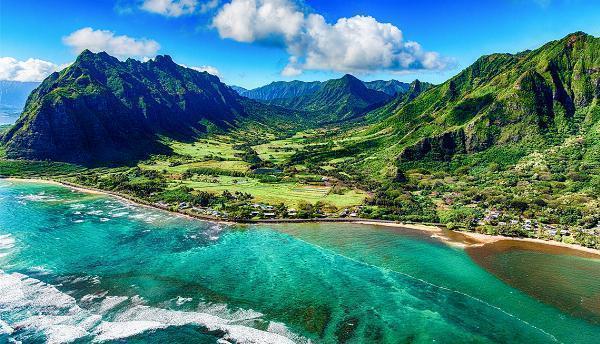
The Hawaii islands form a volcanic archipelago in the central Pacific Ocean, stretching more than 1,500 miles from the Island of Hawai‘i in the southeast to the remote atolls in the northwest. This guide examines how the Hawaii islands formed, which islands are inhabited, the ecological importance of the chain, and how conservation and regulations affect access to certain areas.
- The Hawaiian Archipelago includes eight main inhabited islands and many smaller islets and atolls.
- The chain is volcanic in origin and hosts unique ecosystems with many endemic species.
- Several areas are protected by federal and state regulations, including Papahānaumokuākea Marine National Monument.
Hawaii islands: Overview of the Hawaiian Archipelago
The Hawaiian Archipelago is divided into two broad regions: the main Hawaiian Islands, which are generally those used for residence, commerce, and tourism, and the Northwestern Hawaiian Islands, which include remote atolls, reefs, and uninhabited islets. The eight largest main islands—Hawai‘i (the Big Island), Maui, Oʻahu, Kauaʻi, Molokaʻi, Lānaʻi, Niʻihau, and Kahoʻolawe—are the most commonly recognized, though the full chain includes dozens of named islets and submerged features.
How the islands formed
Volcanic hotspot and shield volcanoes
The Hawaiian islands were created as the Pacific Plate moved northwest over a stationary volcanic hotspot deep in the Earth’s mantle. Repeated eruptions built broad shield volcanoes that eventually rose above sea level. The Island of Hawai‘i is the youngest of the main islands and contains active volcanoes such as Mauna Loa and Kīlauea. Older islands show more erosion and subsidence.
Geologic aging and atoll formation
As volcanic islands move away from the hotspot, they cool, sink, and erode. Coral reefs may develop around older islands and, over long timescales, form atolls and submerged banks. The Northwestern Hawaiian Islands include many of these atolls and reef systems that are ecologically distinct from the populated main islands.
Major inhabited islands and what distinguishes them
Hawai‘i (Big Island)
Hawai‘i is the largest island by area and contains the most recent volcanic activity in the state. Varied climates across elevation zones create deserts, rainforests, and alpine conditions within a single island.
Maui, Oʻahu, Kauaʻi and others
Maui is known for its diverse landscapes from coastal beaches to volcanic Haleakalā. Oʻahu hosts the state capital and the largest population center. Kauaʻi is often noted for its dramatic cliffs and older geology. Molokaʻi, Lānaʻi, Niʻihau, and Kahoʻolawe each have unique histories, land uses, and conservation statuses.
Remote islands, atolls, and conservation areas
Northwestern Hawaiian Islands and Papahānaumokuākea
The Northwestern Hawaiian Islands are less accessible but ecologically critical. Papahānaumokuākea Marine National Monument protects a large area of ocean, reefs, and islands, providing habitat for seabirds, marine mammals, and many endemic species. Federal and state agencies manage access and research there to minimize human impact.
Protected areas and regulations
Many parts of the archipelago are under multiple layers of protection: state parks, national park units, wildlife refuges, and marine protected areas. Agencies involved in conservation and regulation include the U.S. National Park Service, the U.S. Fish and Wildlife Service, the State of Hawaiʻi Department of Land and Natural Resources, and federal programs focused on marine and coastal resources.
For general scientific and public information about Hawaii’s natural features and ocean environment, the National Oceanic and Atmospheric Administration provides accessible resources and data: NOAA.
Wildlife, ecosystems, and cultural values
Endemic species and ecological sensitivity
Hawaiian ecosystems support a high rate of endemism—plants, birds, and marine species found nowhere else on Earth. Because of geographic isolation, many species are vulnerable to invasive predators, habitat loss, and disease. Conservation efforts prioritize habitat restoration, invasive species control, and monitoring of endangered species.
Cultural significance
The islands hold deep cultural, historical, and spiritual importance for Native Hawaiian communities. Traditional practices, place names, and stewardship values are integral to land and marine resource management. Cultural protocols may apply to certain sites and require consultation or permits for access.
Visiting responsibly
Access, permits, and safety
Different islands and sites have different rules. Some areas are open to visitors with standard public access; others require permits for research, fishing, or cultural access. National parks and marine monuments may restrict activities to protect wildlife and cultural resources. Visitors are encouraged to follow posted guidelines, respect closures, and consult official agency guidance before travel.
Practical tips
Respect seasonal wildlife patterns (for example, seabird nesting) and avoid disturbing habitats. Stay on marked trails in vulnerable ecosystems and adhere to biosecurity measures to reduce the risk of introducing invasive species. Local visitor centers, park rangers, and agency websites can provide up-to-date information on closures and recommended practices.
Frequently asked questions
How many Hawaii islands are there?
The number depends on the definition used. There are eight main inhabited islands commonly listed for the state, but the full Hawaiian Archipelago includes dozens of smaller islets, atolls, and submerged banks—more than 100 named features are identified on nautical charts and scientific maps.
Are all the Hawaiian islands volcanic?
Yes. The islands originated from volcanic activity associated with a hotspot. Over time, different islands have experienced varying degrees of volcanic activity, erosion, and reef development.
Which agencies manage protected areas in the archipelago?
Management is shared among federal and state agencies, including the U.S. National Park Service, U.S. Fish and Wildlife Service, State of Hawaiʻi Department of Land and Natural Resources, and federal marine resource programs. Specific site rules and jurisdiction vary by location.
Can visitors access the Northwestern Hawaiian Islands?
Access is limited. Many of the Northwestern Hawaiian Islands are federally protected and require permits for scientific or cultural visits. Occasional guided expeditions with approved permits provide rare public access under strict conditions to minimize environmental impact.
How can one learn more about conservation efforts in Hawaii?
Official agency websites, academic institutions, and recognized conservation organizations publish reports, stewardship plans, and educational materials. Local visitor centers, marine education programs, and scientific publications are reliable starting points for current information.