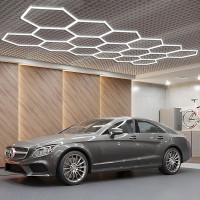
Hexagon LED Garage Lights: Bright Design Tips to Boost Curb Appeal
-
- February 23rd, 2026
- 1,297 views

FREE SEO Topical Map Generator: Find Your Next Content Ideas
The popularity of LED Garage Lights Hexagon designs has grown as homeowners look for fixtures that mix modern style with strong light output. Hexagon-shaped LED luminaires can transform a dark garage into a bright, usable workspace while contributing to exterior aesthetics and perceived property value.
- Hexagon LED garage lights offer geometric styling and even light distribution.
- Key performance factors include lumens, color temperature, CRI, and beam pattern.
- Energy efficiency and motion sensors reduce electricity use and improve security.
- Installation, layout, and maintenance influence both function and curb appeal.
LED Garage Lights Hexagon: design, brightness, and efficiency
Hexagon-format fixtures combine a distinctive silhouette with the technical benefits of LED technology. When evaluating hexagon garage lighting, consider lumen output (brightness), color temperature (measured in kelvins), color rendering index (CRI), and power draw (watts). These factors determine how well the space is illuminated and how colors and details appear under the light.
Brightness and lumens
Lumens measure light output; higher lumens equal brighter light. Typical garage lighting ranges from a few thousand lumens for general tasks to 6,000 lumens or more for detailed work. Fixtures with adjustable output or multiple panels can be useful for tailoring light levels without changing fixtures.
Color temperature and CRI
Color temperature affects the perceived warmth or coolness of light. Neutral white (around 3500–4100 K) and cool white (about 4000–5000 K) are common choices for garages because they provide clear, crisp illumination. CRI indicates color accuracy; a CRI of 80 or above is suitable for most garage tasks.
Energy efficiency and controls
LED fixtures use substantially less electricity than incandescent or fluorescent alternatives for the same lumen output. Integrating occupancy sensors or timers can reduce run time and improve security. For data and guidance on LED lighting efficiency, see resources from the U.S. Department of Energy: energy.gov/LED lighting guidance.
How hexagon shape affects light distribution and curb appeal
Visual appeal and architectural fit
The hexagon silhouette adds a geometric accent that can complement modern and transitional home styles. Placement and finish (matte, metallic, or painted) influence how noticeable the fixture is from the street. Grouping multiple hexagon fixtures or choosing a color that contrasts the garage door can increase visual impact.
Light distribution and glare control
Well-designed hexagon luminaires deliver consistent distribution across the floor and work surfaces. Diffusers, baffles, or multiple LED modules help reduce glare and hot spots. Consider fixtures with adjustable angles or integrated reflectors for targeted illumination.
Installation, layout, and practical considerations
Mounting height and fixture spacing
Mounting height and spacing determine uniformity. A basic planning approach considers the garage size, desired lumen level, and fixture beam angle. Using a combination of central fixtures and task lighting (over workbenches) improves functionality.
Electrical and safety
Electrical installations should comply with local codes and follow manufacturer instructions. For safety and warranty purposes, consult a licensed electrician when modifying circuits or adding hardwired fixtures. Choose products rated for indoor or damp locations as appropriate.
Maintenance and lifespan
LED fixtures typically last many years with low maintenance. Look for products rated with long lifespans (e.g., 25,000–50,000 hours) and consider warranties. Dusting lenses and checking connections periodically preserves performance.
Cost, value, and neighborhood impression
Upfront cost vs. long-term savings
LED fixtures and integrated designs can have higher upfront costs than basic bulbs, but energy savings and lower replacement frequency often reduce lifetime cost. Selecting high-efficiency drivers and quality thermal management enhances reliability.
Perception and curb appeal
Stylish hexagon fixtures can make a garage appear more intentional and maintained, which may positively affect a home's curb appeal. Combined with clean installation, coordinated exterior lighting, and well-lit driveways, hexagon LEDs can contribute to a more polished street presence.
Choosing the right hexagon LED for a garage
Match lumens to tasks
Estimate the activities performed in the garage—parking, storage, hobbies—and select lumen output accordingly. Use focused task lights for benches and softer ambient fixtures for general use.
Check driver quality and certifications
Look for products with reliable drivers, adequate heat dissipation, and safety certifications. ENERGY STAR and standards from the Illuminating Engineering Society (IES) provide useful best practices for indoor lighting performance.
Environmental and local code considerations
Some jurisdictions regulate exterior lighting and glare; verify local ordinances when fixtures are visible from the street. When installing motion sensors or dusk-to-dawn controls, consider neighbor comfort and light trespass guidelines.
FAQ: Common questions about hexagon LED garage lights
Do LED Garage Lights Hexagon really make a visible difference to curb appeal?
Yes. A thoughtfully chosen hexagon fixture can add architectural interest and signal a maintained property. The visible effect depends on fixture finish, placement, and overall exterior lighting plan.
How bright should hexagon garage lights be for general use?
Brightness depends on garage size and activities. General ambient lighting often ranges from a few thousand to several thousand lumens; adding task lighting over work areas improves usability without over-illumination.
Are hexagon LED fixtures energy efficient compared with other shapes?
Shape alone does not determine efficiency. Efficiency depends on LED chipset, driver, thermal design, and optics. Hexagon-shaped housings can perform as well as other shapes if engineered for heat dissipation and proper optics.
What maintenance is needed for LED garage luminaires?
Maintenance is minimal: occasional dusting of lenses, checking for loose screws or connections, and ensuring vents are not blocked helps maintain light quality and lifespan.