A Complete Guide for UK Homeowners to Finding Hidden Water Leaks at Home
-

- April 18th, 2026
- 4,192 views


FREE SEO Topical Map Generator: Find Your Next Content Ideas
Water leaks are one of the most expensive problems faced by UK homeowners - and what's worse is that many of them remain completely hidden until serious damage has been done. Pipes run beneath floorboards, behind plasterboard walls and under concrete slabs. You can't often see them, and you certainly can't hear them slowly dripping from your living room sofa.
According to water industry figures, household leaks in the UK waste billions of litres of clean water every year. More importantly, hidden leaks can rot your floorboards, cause mold, weaken your walls and push your insurance claim into the five figures.
This guide explains what warning signs to look for, how professional leak detection works, and when you need to stop guessing and call in an expert. Whether you live in a Victorian terrace or a modern new building, this information applies to you.
Warning Signs You May Have a Hidden Water Leak
Most people notice a hidden leak through indirect signs before they even see the water. Here are the main things to look out for:
1. Your water bill goes up for no reason
If your water bill suddenly goes up and your usage habits haven’t changed, it’s one of the clearest signs of a hidden leak somewhere in your system. Even a small, slow drip under a concrete floor can waste thousands of liters over time.
2. Unexplained wet patches or staining
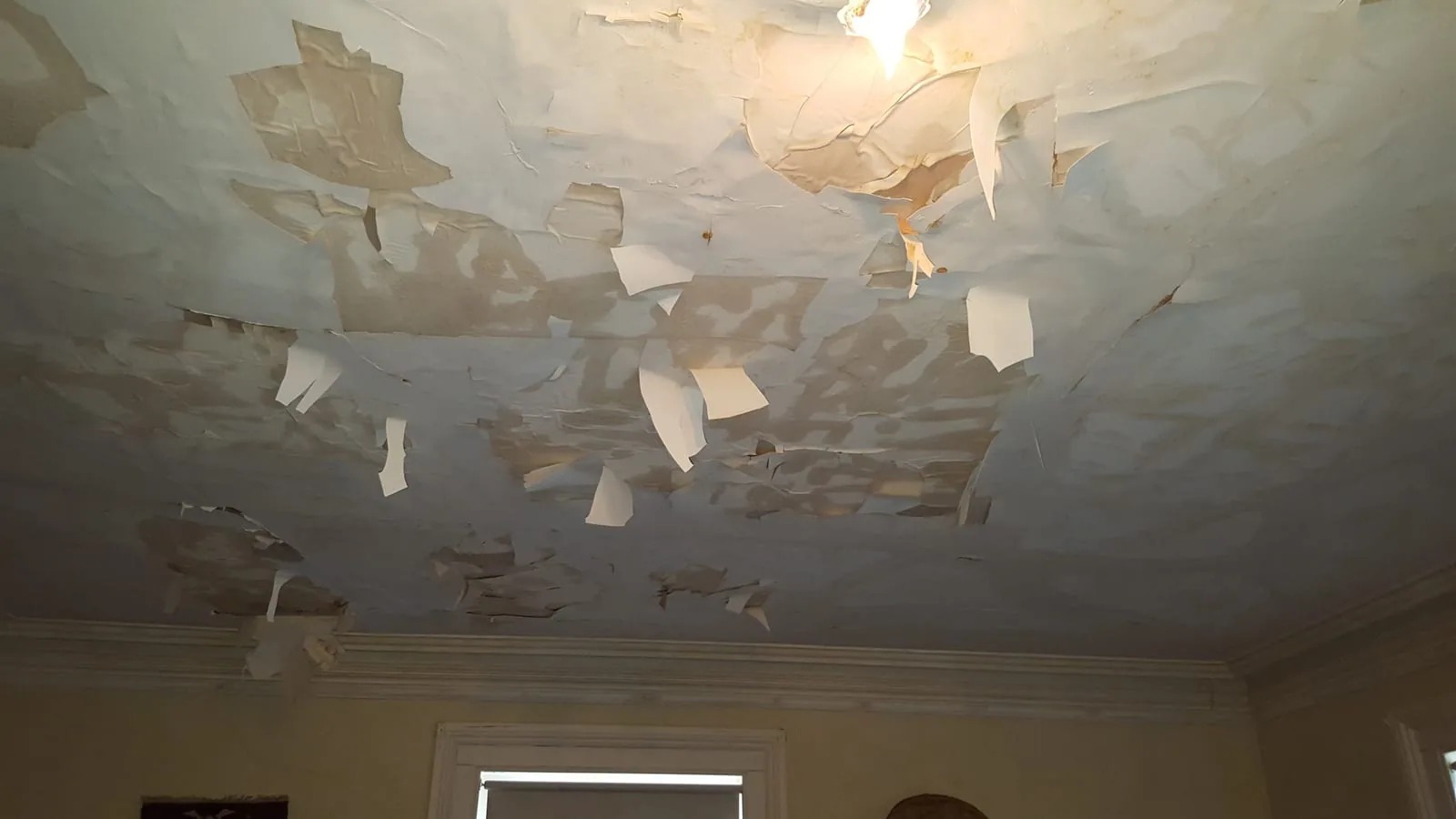
Wet spots on the walls, ceiling, or floor that appear for no apparent reason are a great sign. You may see paint bubbling or wallpaper peeling near the wall where the pipe is leaking. Dark tide marks on the ceiling under the bathroom or kitchen are another common indicator.
3. Musty or musty odor
A persistent damp smell in a room—even when the room appears dry—often means that moisture is building up inside the walls or under the floor. Mold spores thrive in exactly the same conditions, and prolonged exposure is a health concern, especially for children and people with respiratory problems.
4. Low water pressure
If your shower or faucet suddenly feels weaker than usual and you haven’t changed anything, low pressure could indicate that water is leaking out of the supply line before it reaches your fixture.
5. Water noise
If you hear water running somewhere in your home when every faucet is turned off and the washing machine is idle, don’t ignore it. That sound means water is flowing through your pipes and nowhere is clear.
How to Do a Basic Water Meter Check
How Professionals Find Hidden Leaks
When your own investigation confirms a problem but you can’t find the source, a professional will come with a set of tools specifically designed for this purpose. The goal is always to accurately locate the leak without having to demolish your home unnecessarily.
Thermal imaging cameras
These cameras detect temperature differences on surfaces. A leaking hot water pipe under the floor creates a warm patch that is clearly visible on the camera display. In contrast, a cold water leak creates a cooler zone. Thermal imaging is fast, completely non-invasive, and often pinpoints the leak in minutes.
Tracer gas testing
This is one of the most accurate detection methods available. A safe, non-toxic mixture of hydrogen and nitrogen gas is pumped into the pipe. Because the gas molecules are small, they can escape through even the smallest cracks or joints. The specialist then uses a handheld sensor to find exactly where the gas is leaking above ground or through the floor. This method works especially well under concrete and on underfloor heating systems.
Acoustic listening devices
Every leak makes a sound - a hiss, a drip, a pipe vibrating through a wall. Special sound devices amplify these sounds so that the engineer can hear them through concrete, tiles or wood. By moving the sensor along the floor, the engineer can triangulate the location of the leak in a surprisingly small area.
Moisture meters and endoscope cameras
Moisture meters measure the level of water in walls and floors, without breaking into them. Endoscope cameras - small, flexible cameras on a cable - allow engineers to see inside cavities and behind fixtures without causing any damage.
In vortex leak detection, all of these tools are used as part of a comprehensive investigation. Their expert leak detection services cover everything from hot and cold water pipe leaks to underfloor heating systems and upcoming major problems - using non-invasive technology wherever possible to keep your property safe.
Why Leaks Should Be Left Undetected
When to Call a Professional
Final Thoughts
Hidden water leaks can be extremely stressful. When you can’t see or locate the source of a problem that is quietly damaging your home, it can quickly become overwhelming. The good news is that modern leak detection technology makes it possible to identify almost any leak with accuracy and minimal disruption.
If you are in the UK and suspect a hidden water leak in your home, don’t wait for the damage to get worse. Vortex Leak Detection for a professional inspection, protect your property and avoid costly structural repairs in the future.
Frequently Asked Questions (FAQs)
Q1. How do I know if I have a hidden water leak in my home?
The most common signs are an unexplained increase in your water bill, damp patches on the walls or ceiling, a smell in the room, low water pressure, or the sound of water running when everything is turned off. You can also run a water meter test – if the reading changes when all the fixtures are turned off, you likely have a leak.
Q2. Can a plumber find hidden water leaks?
A qualified plumber can find visible or accessible leaks. For leaks that are hidden under concrete floors, inside walls or under tiles, you usually need a dedicated leak detection specialist who has a thermal imaging camera, acoustic listening equipment and a tracer gas kit.
Q3. Is professional leak detection invasive or non-invasive?
Modern leak detection is designed to be as non-invasive as possible. Equipment such as thermal cameras and tracer gas equipment allows experts to pinpoint the exact location of the leak without having to break up the floor or cut into the walls. Excavation or access work only takes place once the exact location has been confirmed - meaning much less disruption than a typical dig and search approach.
Q4. Does home insurance cover hidden water leaks in the UK?
Many home insurance policies include trace and access cover, which pays for the cost of finding a hidden leak (not just repairing it). However, cover varies between insurers, so check your policy documents carefully. The expert can usually provide a written report and documentation that your insurer needs to process the claim.
Q5. How long does a professional leak detection survey take?
Most residential leak detection surveys take two to four hours, depending on the size of the property and the complexity of the plumbing. In some cases - particularly where tracer gas testing is required - the process can take a full day. The engineer will give you a clear time estimate before the work begins.