HIFU Treatment Dubai: Complete Guide to Non‑Surgical Skin Tightening
-

- February 23rd, 2026
- 1,323 views

FREE SEO Topical Map Generator: Find Your Next Content Ideas
HIFU treatment is a non-surgical option for skin tightening and rejuvenation that uses focused ultrasound energy to stimulate collagen remodeling. Interest in HIFU has grown in Dubai and other global cities where demand for minimally invasive aesthetic procedures is rising. This article explains how HIFU works, safety considerations, what to expect before and after treatment, and how local regulation and clinic selection influence outcomes.
- HIFU uses focused ultrasound to heat deep tissue layers, encouraging collagen production without a surgical incision.
- Typical uses include facial skin tightening, jawline definition, and some body contouring applications.
- Safety and results depend on device, practitioner skill, patient selection, and aftercare.
- Clinics in Dubai are regulated by authorities such as the Dubai Health Authority (DHA); patients should verify licensing and ask about practitioner experience.
HIFU treatment: how it works and common uses
Mechanism of action
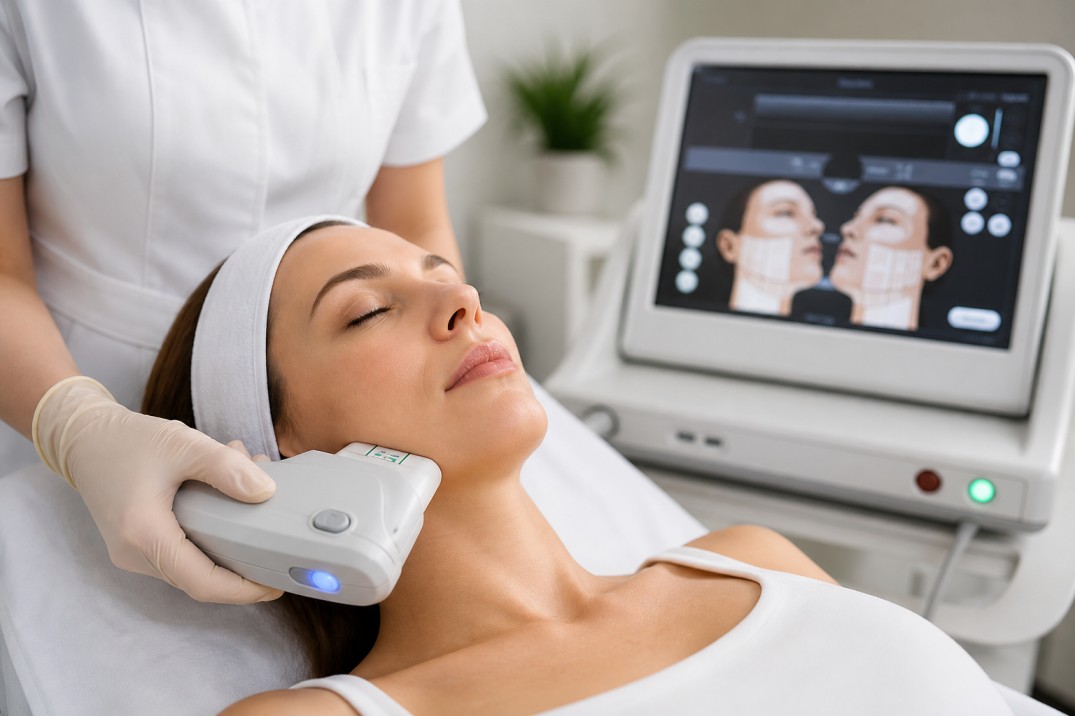
High‑Intensity Focused Ultrasound (HIFU) concentrates ultrasound energy at precise depths below the skin surface. The focused energy raises temperature in targeted zones, creating controlled thermal injury that stimulates a wound‑healing response and collagen remodeling in the dermis and deeper layers such as the SMAS (superficial musculoaponeurotic system). Over weeks to months this process can lead to firmer, tighter skin.
Common treatment areas and goals
HIFU is used for facial rejuvenation (brow lift, midface, jowls), neck tightening, and limited body applications. Goals are typically subtle improvement in skin laxity, improved contour, and reduced appearance of sagging. Results are gradual and often described as progressive improvement up to three to six months after treatment.
Safety, evidence and regulation
Clinical evidence and expectations
Clinical studies report variable improvements depending on device, settings, and patient factors. Research in peer‑reviewed journals evaluates efficacy, duration of effect, and safety profiles. Outcomes are generally modest compared with surgical lifting; HIFU is best for early to moderate skin laxity rather than severe sagging.
Regulation and quality control
Regulatory oversight of devices and clinics is an important safety factor. In Dubai, the Dubai Health Authority (DHA) sets licensing requirements for medical and aesthetic clinics and practitioners. In other jurisdictions, regulatory agencies such as the U.S. Food and Drug Administration provide information about medical‑device approvals and intended uses. For general regulatory information see the U.S. FDA on HIFU devices: FDA: High‑Intensity Focused Ultrasound (HIFU).
Preparing for HIFU in Dubai
Consultation and assessment
An initial consultation should review medical history, skin condition, realistic goals, and any contraindications such as active infection at the treatment site, certain implanted electrical devices, or pregnancy. Expect pre‑treatment photos, explanation of the procedure, and discussion of alternative options.
How the procedure typically feels
Treatment sessions usually last 30–90 minutes depending on areas treated. Sensations can range from mild warmth to brief discomfort at the energy focal points. Some clinics offer topical anesthetic or comfort measures. Immediate side effects may include redness, swelling, transient numbness, or tenderness.
Aftercare and recovery
Typical recovery and timeline
Downtime is minimal for most patients. Minor swelling or redness commonly resolves within a few days to two weeks. Collagen remodeling leads to gradual improvement, with maximal visible changes often appearing over 2–6 months. Repeat treatments may be discussed to maintain or enhance results.
Post‑treatment precautions
Post‑care commonly includes sun protection, gentle skin care, and avoiding aggressive exfoliation or other energy‑based treatments on the same area for a recommended interval. Follow clinic instructions to reduce risk of complications.
Who is a candidate and common contraindications
Good candidates
Suitable candidates are generally adults with mild to moderate skin laxity seeking non‑surgical improvement and realistic expectations. Skin type and thickness, age, and extent of laxity influence likely benefit.
When HIFU is not recommended
HIFU may be contraindicated for people with certain medical conditions, active skin disease in the treatment area, implanted electronic devices, or during pregnancy. A licensed practitioner should evaluate contraindications during consultation.
Choosing a clinic in Dubai
Verification and questions to ask
Select a clinic that is licensed by the Dubai Health Authority or equivalent local regulator and staffed by trained clinicians. Ask about practitioner qualifications, device model and maintenance, expected outcomes, number of treatments recommended, and detailed pricing. Request before/after photos from similar cases and inquire about potential risks and management protocols.
Costs and value considerations
Costs vary by treatment area, device, and provider. Price should not be the sole determinant—safety, practitioner expertise, and quality of follow‑up care are important for outcomes.
Evidence base and further reading
Peer‑reviewed journals and professional societies provide ongoing evaluations of HIFU efficacy and safety. Clinical guidance and device approvals from regulators such as the Dubai Health Authority and national agencies can inform decision making.
Frequently asked questions
What is HIFU treatment and how long do results last?
HIFU treatment uses focused ultrasound to stimulate collagen remodeling. Results are gradual and may last months to years depending on individual aging, skin condition, and maintenance; some patients choose repeat sessions to sustain effects.
Is HIFU painful?
Sensation varies by person and treatment area. Many people report brief discomfort or warmth during the procedure; clinics may offer topical anesthetic or comfort measures.
Are there risks or side effects after HIFU?
Common short‑term effects are redness, swelling, bruising, temporary numbness, or tenderness. More serious but uncommon complications include skin burns or nerve injury. Proper screening and experienced operators reduce risks.
How to verify clinic safety in Dubai?
Confirm clinic and practitioner licensing with the Dubai Health Authority (DHA), ask about device certification and maintenance, and review practitioner training and case examples before proceeding.
Can HIFU replace a surgical facelift?
HIFU is not a direct substitute for surgical lifting when significant skin laxity or deeper structural changes exist. It is generally better suited to early or moderate laxity and for patients seeking non‑surgical options.