Hiko Nose Thread Lift Abu Dhabi: Complete Guide to Non-Surgical Rhinoplasty
-

- Published Updated
- 1,905 views
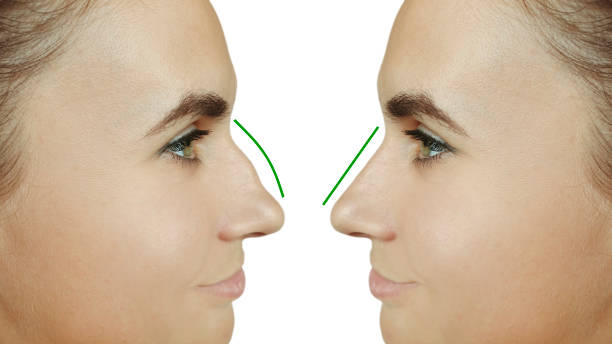
The Hiko nose thread lift has become an increasingly discussed option for people in Abu Dhabi seeking a non-surgical approach to nasal reshaping. This article explains what a Hiko nose thread lift involves, who may be a candidate, the steps of the procedure, recovery expectations, potential risks, and how to choose a qualified provider under local regulations.
- Hiko nose thread lift uses absorbable threads (often PDO or similar) to lift and define the nasal bridge and tip without conventional surgery.
- Results are immediate but generally temporary, commonly lasting 6–18 months depending on thread type and individual factors.
- Candidate suitability and safety require evaluation by a licensed dermatologist, plastic surgeon, or ENT specialist experienced in thread techniques.
- Risks include infection, asymmetry, thread migration, or bruising; careful aftercare and adherence to local health authority guidance are important.
Hiko nose thread lift: what it is and how it works
A Hiko nose thread lift is a minimally invasive technique to refine nasal contours using fine, absorbable sutures inserted beneath the skin to provide structural support and lift. The procedure is sometimes described as a form of non-surgical rhinoplasty because it can alter nasal shape without osteotomy or cartilage grafts. Threads stimulate localized collagen production while providing a scaffolding effect; common thread materials include polydioxanone (PDO) and similar resorbable polymers used in cosmetic procedures.
Who is a suitable candidate?
Appropriate candidates typically seek subtle changes rather than major reshaping. Common goals include increasing nasal bridge projection, refining the nasal tip, or improving tip rotation. Ideal candidates often have realistic expectations, sufficient skin quality, and no active skin infections or bleeding disorders. Consultation with a licensed specialist—such as a board-certified plastic surgeon, ENT specialist, or dermatologist—is necessary to assess anatomy and discuss alternatives.
The procedure: step-by-step
Pre-procedure assessment
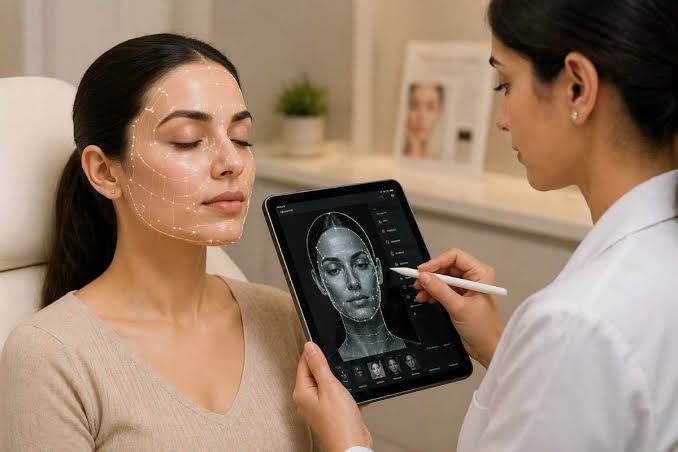
A medical history and physical examination identify contraindications (e.g., anticoagulant use, autoimmune disease, prior problematic nasal surgeries). Photographic documentation and nasal measurements help plan thread placement and vector lines.
Technique
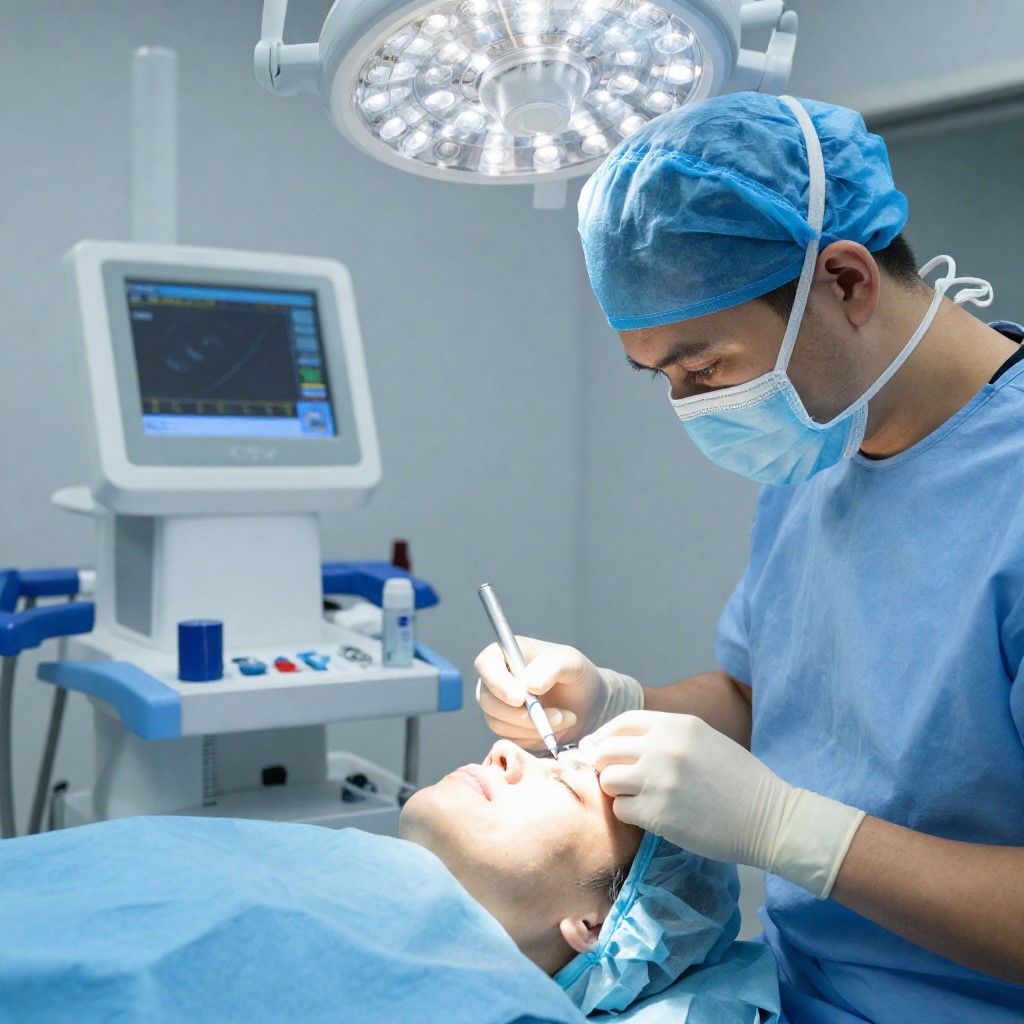
After topical and/or local anesthesia, thin needles or cannulas deliver absorbable threads into predetermined planes along the nasal dorsum and tip. Threads are anchored and adjusted to achieve the desired lift and symmetry. The session typically takes 30–60 minutes depending on complexity.
Immediate effects
Some lift is visible immediately. Collagen induction around the threads may enhance definition over several weeks. Threads gradually resorb, leaving the induced collagen scaffold that can prolong the effect.
Recovery, aftercare, and expected results
Recovery is usually faster than surgical rhinoplasty. Common short-term effects include mild swelling, bruising, and temporary numbness. Avoid vigorous activity, direct nasal pressure, and facial massages for the period recommended by the treating clinician—often several weeks. Follow-up appointments monitor healing and address any concerns.
Longevity of results varies by thread material, tissue response, and technique. Many patients see benefits for 6–18 months; repeat procedures are possible if desired. For long-term structural change, traditional surgical rhinoplasty remains the definitive option.
Risks and complications
All procedures carry risks. Reported complications with nasal thread lifts include infection, visible or palpable threads, asymmetry, extrusion or migration of threads, chronic inflammation, and rarely vascular compromise if placement is improper. Management may require thread removal, antibiotics, or revision procedures. Choosing an experienced clinician reduces but does not eliminate risk.
Choosing a provider in Abu Dhabi and regulatory considerations
Select a practitioner licensed by local health authorities and trained in facial anatomy and thread techniques. Facilities should follow sterile technique and emergency protocols. Local regulatory oversight in Abu Dhabi is provided by the Department of Health — Abu Dhabi; patients are encouraged to verify practitioner credentials and facility licensing through official channels. For regulatory information, visit the Department of Health — Abu Dhabi website: https://doh.gov.abudhabi.
Academic literature and clinical reviews on thread lift techniques provide additional context for efficacy and safety; peer-reviewed journals and surgical society guidelines may be consulted for evidence-based comparisons between thread lifts and surgical rhinoplasty.
Cost considerations
Cost varies according to practitioner experience, facility, number and type of threads used, and geographic location. Non-surgical procedures typically cost less than surgical rhinoplasty but may require maintenance treatments to sustain results. Financial planning should include potential follow-up or corrective care.
Alternatives and combination approaches
Alternatives include dermal filler rhinoplasty, surgical rhinoplasty, or conservative options such as profile-contouring using makeup. In some cases, thread lifts are combined with small volumes of filler for improved contouring; these combinations should be planned by a clinician familiar with both techniques to avoid interaction risks, particularly vascular complications.
FAQ: Common questions about Hiko nose thread lift
What is a Hiko nose thread lift and how long do results last?
A Hiko nose thread lift is a non-surgical method using absorbable threads to reshape the nose. Results are immediate but generally temporary, commonly lasting from several months up to around 12–18 months depending on thread type and individual healing.
Is the Hiko nose thread lift painful?
Most patients experience minimal discomfort during the procedure due to local or topical anesthesia. Mild soreness, swelling, and bruising can occur afterward and typically resolve within days to weeks.
What are the main risks associated with a Hiko nose thread lift?
Risks include infection, asymmetry, visible threads, migration, and rare vascular complications. Proper assessment, sterile technique, and placement by an experienced clinician reduce these risks.
How to verify a safe and qualified practitioner in Abu Dhabi?
Confirm licensure with the local health authority, review clinical experience specific to nasal thread techniques, and ask for before-and-after photos. Facilities should adhere to infection-control standards and provide clear pre- and post-procedure instructions.
Can a Hiko nose thread lift replace surgical rhinoplasty?
Thread lifts suit patients seeking modest, temporary contour changes. For major shape changes or permanent anatomical correction, surgical rhinoplasty remains the standard. A specialist consultation can compare expected outcomes and risks.
For evidence-based clinical guidance, consult peer-reviewed sources and local health regulators. The Department of Health — Abu Dhabi provides facility and practitioner licensing information relevant to cosmetic procedures.