Nature’s Golden Treasure and Its Many Benefits
-

- Published Updated
- 3,275 views

Honey has been treasured by people for thousands of years. Its warm golden color, naturally sweet taste, pleasant aroma, and impressive versatility have made it a favorite ingredient in kitchens around the world. From stirring a spoonful into morning tea to drizzling it over breakfast foods, honey can add both flavor and character to everyday meals. waschbecken friseur
But honey is much more than a sweetener. It is a natural food produced by bees from flower nectar, and its qualities can vary greatly depending on the flowers visited by the bees, the region where it is produced, and how it is handled after harvesting. Understanding honey can help you appreciate this remarkable food and make better choices when buying and using it.
What Is Honey?
Honey is a naturally occurring sweet substance made by honeybees. Bees collect nectar from flowers and bring it back to their hive, where it undergoes a series of natural processes. The nectar gradually becomes thicker and more concentrated as bees reduce its water content and store it inside the honeycomb.
Once the honey has matured, beekeepers carefully collect it from the hive. Depending on the processing method, honey may be strained, filtered, bottled, or left in a more natural form.
The flavor of honey depends strongly on its floral source. Honey made primarily from one type of flower can have a distinctive taste, while honey gathered from many different plants may have a richer, more complex flavor.
Different Types of Honey
One of the fascinating things about honey is its variety. Not all honey tastes the same, and its color can range from nearly clear to deep amber.
Floral Honey
Floral honey is produced from the nectar of flowers. Its flavor and aroma can reflect the plants that contributed to the nectar. Some varieties have delicate floral notes, while others are bold and earthy.
Wildflower Honey
Wildflower honey comes from nectar collected from numerous wild plants and flowers. Because the available flowers can change with location and season, every batch may have its own character.
Raw Honey
Raw honey generally refers to honey that has undergone minimal processing. It may retain naturally occurring pollen, tiny particles of wax, and other components from the hive. Its texture can sometimes be thicker or more varied than highly processed honey.
Acacia Honey
Acacia honey is often known for its light color and mild flavor. It can be an appealing option for people who prefer a gentle sweetness rather than a strong honey taste.
Manuka Honey
Manuka honey is associated with the nectar of the manuka plant, primarily found in New Zealand. It has attracted considerable attention because of research into its unique properties. Authentic products are often sold with quality or activity ratings, so buyers should check the labeling carefully.
Nutritional Qualities of Honey
Honey primarily provides carbohydrates in the form of naturally occurring sugars. It also contains small amounts of various compounds, including minerals, organic acids, and antioxidant substances. However, honey is still a concentrated source of sugar, so it is best enjoyed in sensible portions.
The exact nutritional profile can differ according to the floral source and processing method. Darker varieties often contain higher amounts of certain antioxidant compounds than very light varieties, although color alone does not tell the entire story.
For everyday eating, honey can be used as an alternative to refined table sugar. This does not mean that honey should be considered a low-sugar food. It simply offers a different flavor and composition while providing natural sweetness.
Honey as a Kitchen Ingredient
Honey is remarkably versatile. It can be incorporated into both sweet and savory dishes.
For breakfast, honey can be drizzled over oatmeal, yogurt, toast, pancakes, or fresh fruit. A small amount can transform a simple meal by adding sweetness and aroma.
In baking, honey contributes sweetness, moisture, and color. It works particularly well in breads, cakes, muffins, cookies, and granola. Because honey is sweeter than ordinary sugar by volume, recipes may require adjustments when substituting one for the other.
Honey also pairs beautifully with savory ingredients. A honey-based glaze can complement roasted vegetables, poultry, or other dishes. Combining honey with mustard, herbs, citrus, or spices can create a balanced sauce with sweet and tangy notes.
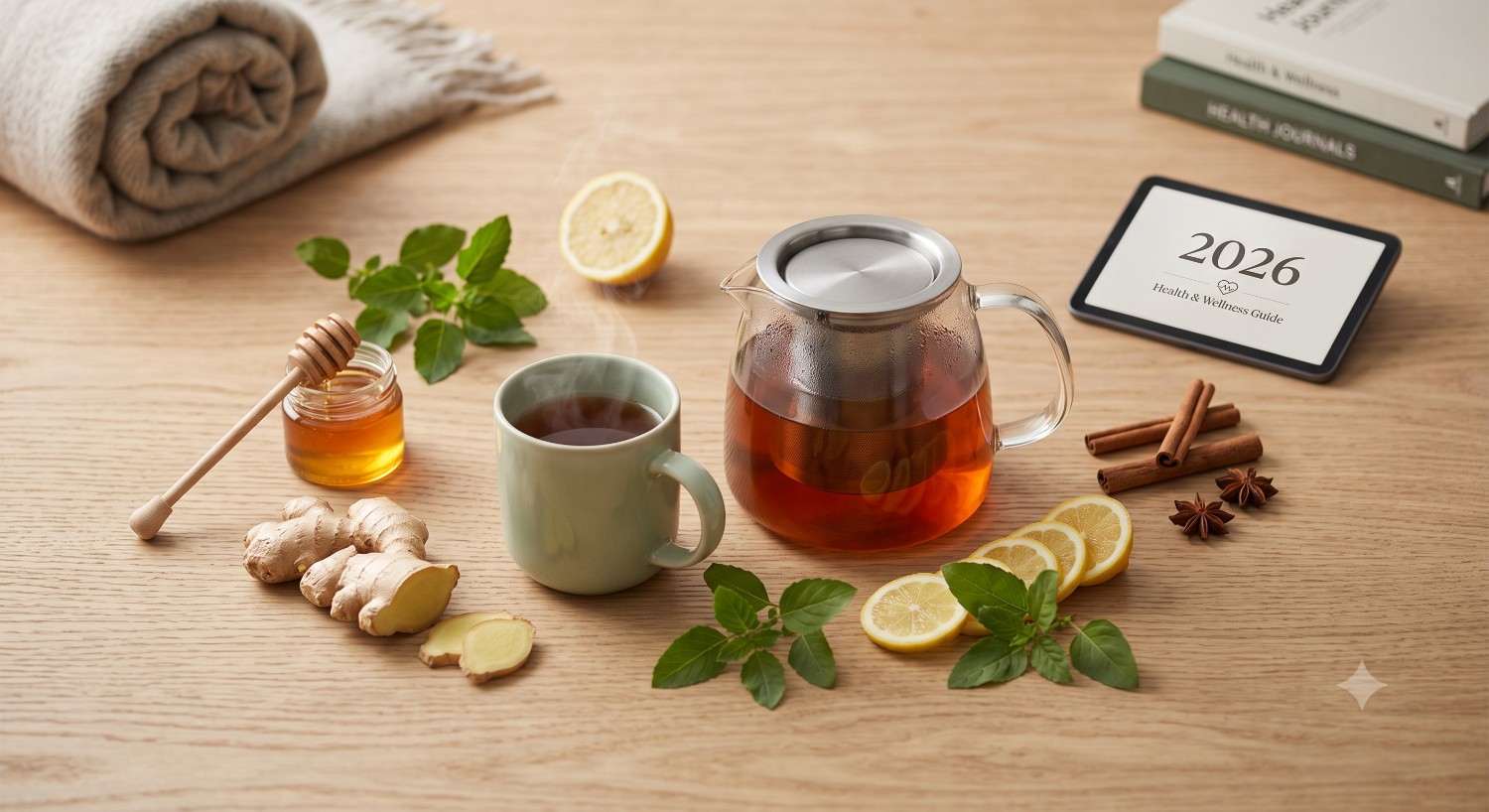
It can even be added to beverages. A spoonful in warm tea or lemon water is a popular way to enjoy its flavor.
Honey and Antioxidants
Honey contains a range of naturally occurring plant compounds, including antioxidants. Antioxidants help protect cells from oxidative stress caused by unstable molecules in the body.
The antioxidant content of honey varies depending on factors such as floral source, color, geographic origin, and processing. Generally, darker honeys tend to contain more antioxidant compounds than very pale varieties.
While honey can contribute these compounds to the diet, it should not be viewed as a replacement for fruits, vegetables, whole grains, and other nutrient-rich foods. A balanced diet remains the foundation of good nutrition.
Traditional Uses of Honey
Honey has a long history in traditional food practices. Different cultures have used it as a sweetener, food preservative, and ingredient in traditional preparations.
One particularly well-known traditional use is soothing the throat. A small amount of honey may provide a comforting coating sensation when someone has a mild cough or irritated throat. Research has also examined honey's role in supporting relief from certain cough symptoms.
However, honey should not be given to babies younger than 12 months because of the risk of infant botulism. This is an important food-safety rule that parents and caregivers should always remember.
How to Choose Good Honey
Choosing honey does not have to be complicated. Start by checking the ingredient label. Pure honey should generally contain honey as the primary or sole ingredient.
Consider the flavor you prefer. Light honey varieties often have a delicate sweetness, while darker varieties may provide stronger caramel-like, earthy, or malty notes.
The source can also matter. Locally produced honey can be an interesting choice because its flavor may reflect the plants growing in the surrounding region. Buying from reputable producers can also provide greater confidence about harvesting and handling practices.
It is worth remembering that crystallization does not necessarily mean honey has gone bad. Natural honey can crystallize over time, particularly certain varieties. If you prefer a smoother texture, gently warming the container can help return some of the honey to a liquid state. Excessive heat, however, may affect some of its natural characteristics.
Storing Honey Properly
Honey is relatively easy to store. Keep it in a clean, tightly sealed container at room temperature and away from excessive moisture.
Refrigeration is usually unnecessary and can encourage crystallization. A kitchen cupboard or pantry is generally suitable as long as the container is protected from heat, direct sunlight, and water.
Always use a clean, dry spoon when taking honey from the container. Introducing moisture or food particles can affect its quality over time.
Honey and Sustainable Beekeeping
Honey production is closely connected with the health of honeybees and their environment. Bees play an important role in pollination, helping many plants reproduce.
Responsible beekeeping focuses on maintaining healthy colonies while harvesting honey carefully. Supporting ethical beekeepers and producers can help encourage responsible practices.
Planting flowers that provide nectar and pollen is another simple way people can support pollinators. Gardens containing a variety of flowering plants can provide useful food sources for bees and other beneficial insects.
Why Honey Remains So Popular
Honey combines several qualities that are difficult to match. It is naturally sweet, versatile, long-lasting, and available in a remarkable range of flavors. Its history stretches across civilizations, yet it remains just as relevant in modern kitchens.
Whether you enjoy a mild floral variety in tea, a rich wildflower honey on toast, or a bold honey glaze with dinner, there are countless ways to incorporate this natural ingredient into everyday meals.
The key is moderation. Honey can be part of a balanced diet, but it remains a concentrated source of sugar. Using small amounts allows you to enjoy its distinctive flavor without relying heavily on added sweeteners.
Final Thoughts
Honey is a fascinating natural food with a story that begins in flowers and continues through the work of bees and beekeepers. Its variety, flavor, traditional uses, and culinary flexibility make it much more than an ordinary sweetener.
From breakfast tables to baking recipes and savory dishes, honey can bring warmth and complexity to countless foods. By choosing quality products, storing them properly, and enjoying reasonable portions, you can make the most of this golden ingredient.
Above all, honey offers a reminder of the remarkable relationship between plants, pollinators, people, and food. Every jar represents the work of countless bees and the floral landscape from which its nectar originated.