Tea and Colds: What a Warm Cup Can Really Do for You
-

- Published Updated
- 70 views
When you're dealing with a cold, small comforts suddenly matter.
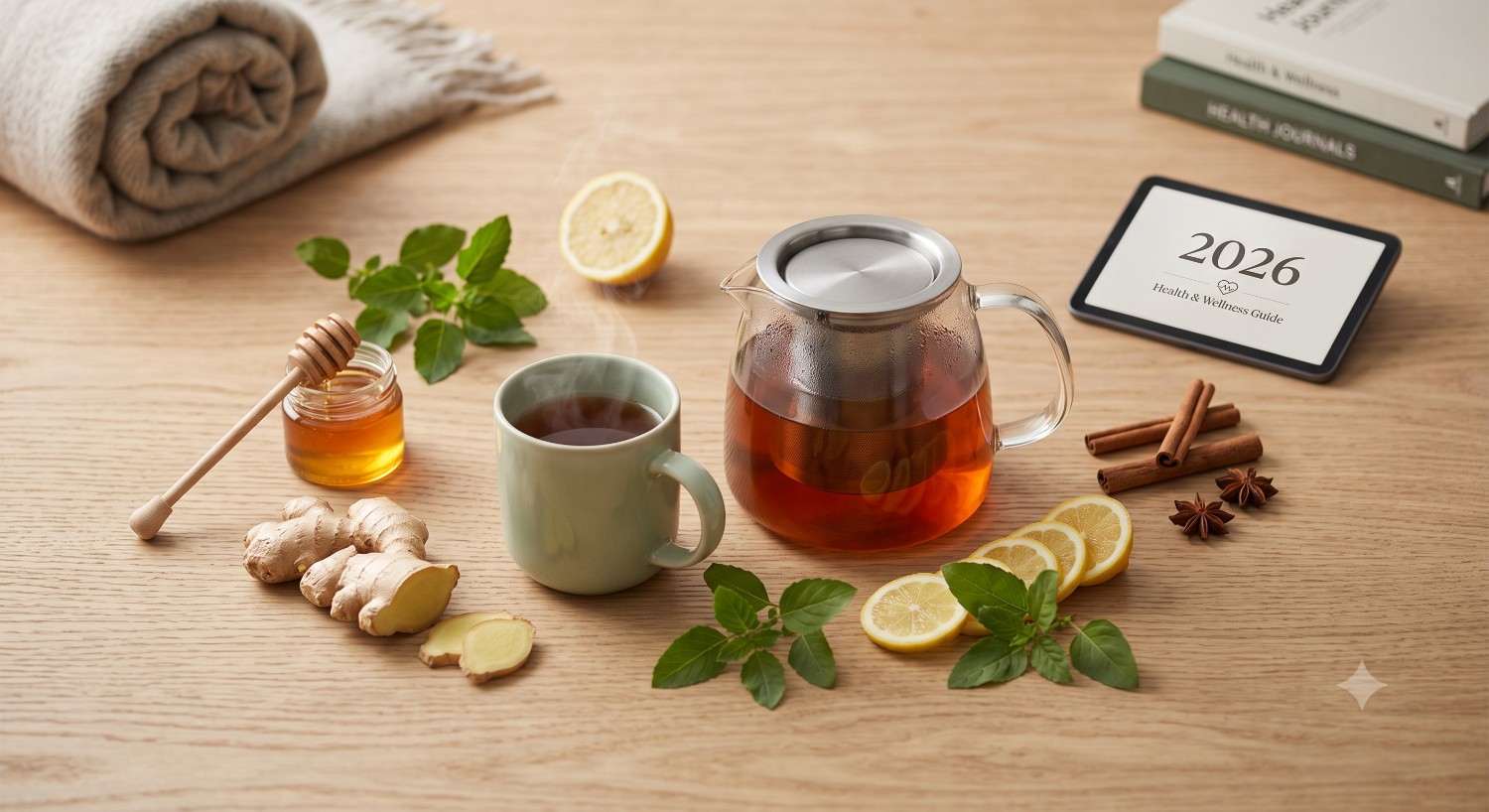
A warm blanket, some extra sleep, and a steaming cup of tea can make an ordinary day of coughing, congestion, and tiredness feel a little easier.
Tea has been used as a home comfort for generations, especially in India, where chai is much more than a beverage. But there is an important distinction between something that feels soothing and something that actually treats an illness.
So, what can tea really do when you have a cold?
A Warm Drink Can Be Surprisingly Comforting
The common cold is caused by viruses, and there is no tea that can cure it. Most people recover on their own with time.
That doesn't mean a cup of tea is useless.
Warm beverages can be soothing when your throat feels dry or irritated. Drinking fluids also helps you stay hydrated while your body deals with the infection. The CDC recommends plenty of fluids and rest as part of managing cold symptoms.
For many people, that makes tea a useful comfort drink, even though it isn't a treatment.
Why Chai Is a Natural Choice in Indian Homes
Ask someone in India what they reach for when they're feeling under the weather, and chai may be somewhere near the top of the list.
Traditional chai often combines black tea with ingredients such as ginger, cardamom, cinnamon, cloves, or black pepper. These spices create a warm, aromatic drink that can be especially appealing when you don't feel like eating or drinking much.
Ginger chai, in particular, is a familiar household favourite.
However, it's important not to confuse tradition with medical evidence. Spices can make a cup of tea more enjoyable, but that does not mean they can eliminate the virus responsible for a cold.
What About Ginger Tea?
Ginger is one of the most recognisable ingredients in traditional Indian chai.
Fresh ginger adds a sharp, warming flavour and pairs naturally with black tea. You can simply crush a small piece of fresh ginger, simmer it in water, add tea leaves, and finish with milk if you prefer a traditional chai.
The result is aromatic, warming, and easy to prepare.
Whether ginger itself will make your cold disappear is a different question. There is no reason to treat a traditional ingredient as a proven cure when the evidence doesn't support that conclusion.
Can Honey Make Tea More Helpful?
Honey is another simple addition worth considering.
A little honey in warm tea can make the drink easier to enjoy when your throat is irritated. The CDC also recommends honey to help relieve cough in adults and children aged one year and older. Honey should not be given to children under one year.
You don't need an elaborate recipe. Warm tea, a little honey, and a quiet few minutes can be enough.
Should You Choose Herbal Chai?
There is no single "best" tea for a cold.
Some people prefer Herbal Chai because they want a caffeine-free or lighter beverage. Others prefer traditional black tea because they enjoy its stronger flavour.
Herbal blends can contain ingredients such as peppermint, chamomile, ginger, or other botanicals. Their effects vary, so it's better to look at each ingredient individually rather than assuming that every herbal tea has medicinal properties.
The best choice may simply be the one you enjoy and tolerate well.
What About Masala Chai?
You don't necessarily need to change your regular tea just because you have a cold.
A cup of Authentic Chai prepared with black tea, milk, and spices can be perfectly reasonable if it feels comfortable for you.
If you normally enjoy Authentic Indian Tea, there is also something psychological about familiar flavours. When you're tired or unwell, a drink that reminds you of your normal routine can be comforting.
Just pay attention to your body. If strong tea or too much caffeine makes you uncomfortable, choose a lighter cup instead.
Does Organic Chai Work Better?
You may also see products described as Organic Chai or natural wellness teas.
Organic certification and health benefits are two different things. Organic refers to production practices; it doesn't mean a tea can cure a viral infection.
When choosing tea, focus on the ingredients, freshness, flavour, and how the product fits your normal drinking habits.
If you decide to Buy Masala Chai Online, checking the ingredient list is more useful than choosing a product based entirely on health-related marketing claims.
How to Choose Better Masala Chai
If you're planning to Buy Masala Chai, a few simple checks can help:
Look for a clear ingredient list.
Check what type of tea forms the base.
Consider the balance of spices.
Look for appropriate packaging to protect freshness.
Choose a flavour profile you genuinely enjoy.
Avoid products making exaggerated medical claims.
A good masala chai doesn't need to promise to cure anything. Its job is to taste good and make your tea ritual enjoyable.
When Should You Stop Relying on Home Comforts?
Tea can help you feel more comfortable, but it shouldn't delay medical care when you need it.
Most colds improve naturally. However, symptoms such as difficulty breathing, dehydration, persistent symptoms without improvement, or symptoms that get better and then become worse warrant medical attention. If you suspect COVID-19 or flu, especially if you're at higher risk for complications, testing and early medical advice can also be important.
Tea is part of supportive care—not a replacement for professional medical advice.
The Takeaway
There is no magic tea that can make a cold disappear overnight.
But a warm cup can still have a place in your recovery routine.
Whether you prefer ginger tea, Herbal Chai, masala chai, or a simple cup of black tea, the combination of warmth, fluids, familiar flavour, and a few quiet minutes can make an uncomfortable day feel a little better.
Sometimes, that's all you need from your tea.
You can visit Jaipur Chai Co - https://www.jaipurchaico.com/