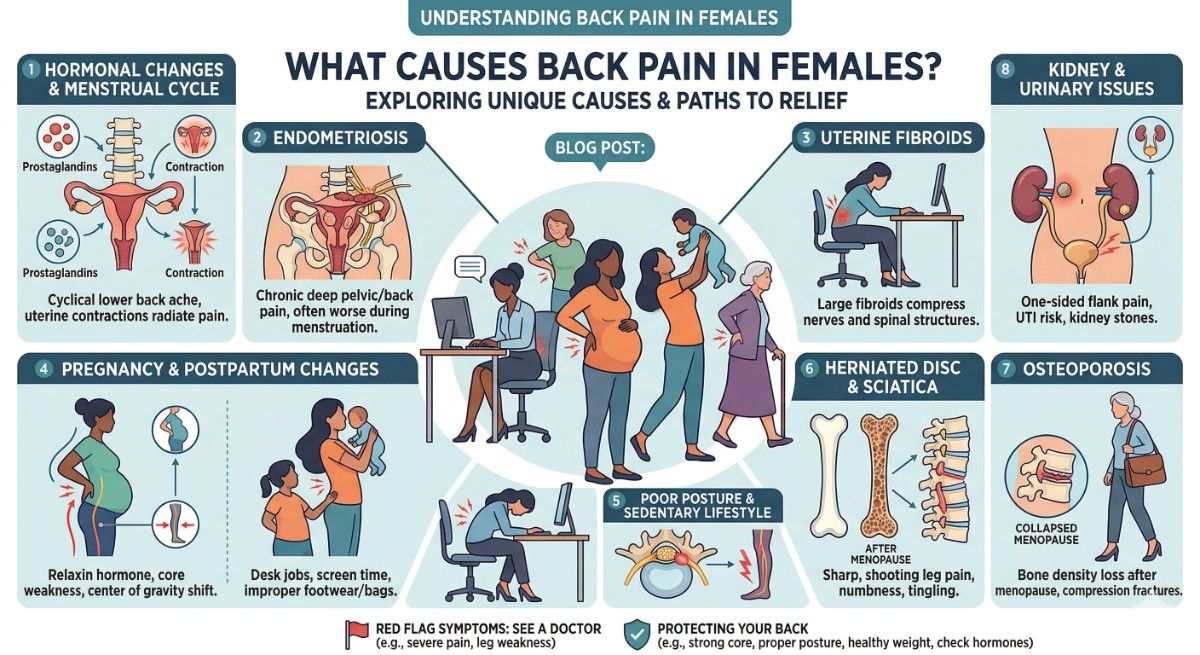
Hormone Imbalance Symptoms: Signs, Causes, and Diagnostic Steps
-

- February 23rd, 2026
- 1,566 views

👉 Best IPTV Services 2026 – 10,000+ Channels, 4K Quality – Start Free Trial Now
Hormone imbalance symptoms can affect many parts of the body because hormones regulate growth, metabolism, mood, reproduction, and energy. This guide explains common signs linked to endocrine changes, typical causes such as thyroid or adrenal dysfunction, and what usually happens during evaluation.
- Hormone imbalance symptoms include fatigue, weight changes, mood swings, irregular periods, and sexual dysfunction.
- Causes often involve the thyroid, adrenal glands, pancreas (insulin), ovaries, or testes, and can occur across life stages.
- Diagnosis typically involves blood tests, imaging, and medical history; guidelines from professional endocrine organizations inform care.
Recognizing common hormone imbalance symptoms
Many people notice non-specific changes first. Typical hormone imbalance symptoms include persistent fatigue, unexplained weight gain or loss, temperature intolerance (cold or hot flashes), hair thinning, acne, changes in skin texture, mood swings or anxiety, sleep disturbances, low libido, and menstrual irregularities. Symptoms often overlap with other conditions, so patterns and timing can help identify endocrine causes.
System-specific signs
- Thyroid-related: fatigue, cold intolerance, constipation, dry skin, slowed thinking, menstrual changes (hypothyroidism); or weight loss, heat intolerance, palpitations, tremor, and anxiety (hyperthyroidism).
- Adrenal-related: fatigue, salt cravings, low blood pressure, or in cases of excess cortisol (Cushing-like features): weight gain around the midsection, facial rounding, and high blood pressure.
- Reproductive hormones: irregular or absent periods, heavy bleeding, hot flashes during menopause transition, erectile dysfunction or low libido in men, and infertility concerns in both sexes.
- Metabolic/insulin: increased thirst, frequent urination, unexplained weight changes, and energy dips can be linked to insulin dysregulation or diabetes.
Life stages and risk factors
Hormone changes commonly occur during puberty, pregnancy, postpartum, perimenopause and menopause, and with aging. Certain medications, chronic stress, significant weight change, endocrine-disrupting exposures, and some medical conditions increase the likelihood of symptomatic hormone imbalance.
Common causes and involved endocrine organs
Hormone imbalances arise from overproduction or underproduction by endocrine glands, disruptions in hormone receptors, or problems with hormone transport and metabolism. Major glands include the hypothalamus and pituitary (regulatory centers), thyroid, adrenal glands, pancreas, ovaries, and testes. Autoimmune disease, tumors, genetic conditions, and medications are common causes.
Examples of disorders
Conditions often associated with symptomatic hormone disturbances include hypothyroidism, hyperthyroidism, polycystic ovary syndrome (PCOS), adrenal insufficiency, Cushing syndrome, hypogonadism, and diabetes. Each condition has characteristic patterns of laboratory and clinical findings that clinicians use to narrow the diagnosis.
Diagnosis: tests and clinical evaluation
Evaluation generally begins with a thorough history and physical exam, focusing on symptom onset, pattern, medication list, and family history. Blood tests are commonly used to measure hormone levels (TSH, free thyroxine, cortisol, fasting glucose/insulin, sex hormones including estrogen, progesterone, testosterone, LH/FSH, and others as indicated). Imaging such as ultrasound or MRI may be ordered when structural causes are suspected.
Clinical practice guidelines from professional organizations such as the Endocrine Society provide frameworks for testing and interpretation; patients and clinicians often reference these resources for evidence-based approaches. For authoritative patient-facing information, see the Endocrine Society website: https://www.endocrine.org/
Interpretation and specialist referral
Abnormal results are interpreted in context—age, sex, medications, and acute illness can alter hormone levels. Endocrinologists specialize in complex or unclear cases and may perform dynamic testing or coordinate multidisciplinary care.
Approach to management and lifestyle considerations
Management depends on the underlying diagnosis. Options may include hormone replacement or suppression, targeted treatments for underlying causes, or measures to manage symptoms. Lifestyle interventions such as balanced nutrition, regular activity, stress management, and sleep optimization are commonly part of supportive care, although specific medical treatments depend on diagnostic findings and clinician recommendations.
Public health organizations including the World Health Organization (WHO) and national health services provide population-level guidance on endocrine disease prevention and screening priorities. Academic journals such as the Journal of Clinical Endocrinology & Metabolism publish research that informs evolving standards.
When symptoms are unclear
Because hormone imbalance symptoms can be subtle or mimic other conditions, a stepwise diagnostic approach is typical. Symptoms that are new, severe, persistent, or associated with weight loss, fainting, very high or low blood pressure, or rapid functional decline are more likely to prompt urgent evaluation.
Communication and documentation
Keeping a symptom diary noting timing, associated factors, menstrual cycle details (if applicable), medications, and significant life changes can help clinicians identify patterns.
Frequently asked questions
What are the most common hormone imbalance symptoms?
Common symptoms include fatigue, unexplained weight change, mood swings, irregular periods, low libido, hair thinning, acne, temperature intolerance, and sleep disturbances. The pattern and combination of signs help guide further evaluation.
Can stress cause hormone imbalance?
Acute and chronic stress affect cortisol and other regulatory pathways, which may contribute to symptoms. The extent and clinical significance vary by individual and context.
How are hormone imbalances tested?
Testing typically involves blood tests for specific hormones, sometimes saliva or urine assays, and imaging when structural causes are suspected. Timing (for example, morning cortisol or cycle-day testing) can influence accuracy.
Do lifestyle changes help with hormone-related symptoms?
Diet, physical activity, sleep, and stress reduction can influence metabolic and reproductive hormones and often form part of a comprehensive care plan, though specific medical treatments depend on diagnostic results.
When is specialist care recommended?
Specialist referral is common when initial testing is abnormal, symptoms are complex or severe, or when a condition requires long-term endocrine management.
Where can reliable information be found?
Authoritative sources include professional endocrine societies, national health services, and peer-reviewed medical journals. For patient resources and clinical guidance, professional organizations such as the Endocrine Society provide evidence-based materials.