How Anxiety Affects Physical Health: Mind-Body Connection Explained
-

- February 23rd, 2026
- 1,625 views
Anxiety and health are closely linked through biological and behavioral pathways. Persistent or intense anxiety can affect the cardiovascular, nervous, endocrine, respiratory, and immune systems, creating symptoms that overlap physical and mental health. Understanding these connections can help people recognize symptoms and seek appropriate support.
- Anxiety activates the stress response, which influences heart rate, hormones, and breathing.
- Short-term physiological effects are common; chronic anxiety may increase risk for other health problems.
- Assessment can include clinical interviews, screening tools, and medical evaluation to rule out other causes.
- Management often combines behavioral strategies, lifestyle changes, and professional interventions when needed.
- Official sources such as the National Institute of Mental Health provide evidence-based information on anxiety disorders.
Anxiety and Health: How Anxiety Affects the Body
Stress response and physiological pathways
Anxiety triggers the body's stress response, commonly called the "fight-or-flight" reaction. This involves the autonomic nervous system and the hypothalamic-pituitary-adrenal (HPA) axis, which together raise heart rate, increase breathing, and release stress hormones such as adrenaline and cortisol. These changes are adaptive in acute situations but can cause harm if repeatedly or chronically activated.
Cardiovascular and respiratory effects
Short-term anxiety commonly causes palpitations, chest tightness, and rapid breathing. Over time, frequent activation of the stress response can contribute to elevated blood pressure and increased cardiovascular load. Respiratory symptoms include hyperventilation and shortness of breath, which can intensify anxiety in a reciprocal cycle.
Endocrine, immune, and digestive effects
Chronic anxiety influences endocrine function through sustained cortisol release, which can alter metabolism and sleep. Immune function may be affected by prolonged stress, potentially changing susceptibility to infections or the course of inflammatory conditions. Digestive symptoms—such as nausea, abdominal pain, or changes in bowel habits—are also commonly reported and reflect gut–brain signaling pathways.
Common mental health conditions and physical manifestations
Anxiety disorders and somatic symptoms
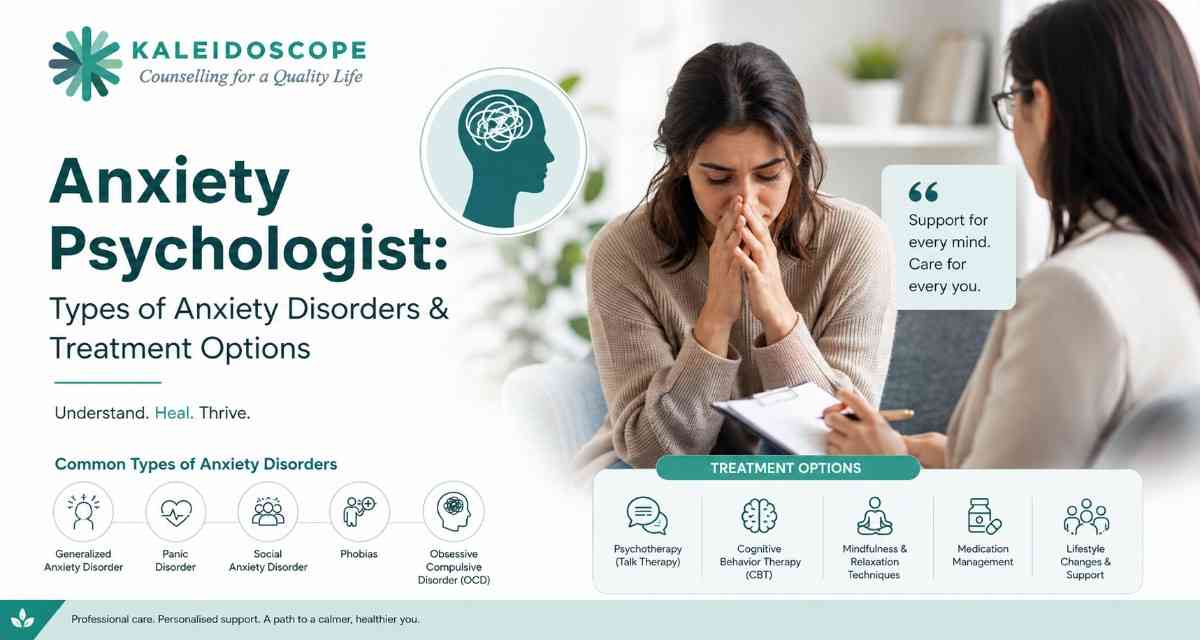
Anxiety disorders—including generalized anxiety disorder (GAD), panic disorder, social anxiety disorder, and specific phobias—often present with physical symptoms. Panic attacks, for example, can produce intense physical sensations that mimic medical emergencies. Somatic symptom presentations can complicate diagnosis and require thorough assessment to distinguish between medical and psychiatric causes.
Sleep, cognition, and daily functioning
Anxiety frequently disrupts sleep, which in turn worsens fatigue, concentration, and mood. Persistent sleep disturbance is associated with a range of adverse health outcomes and can maintain or magnify anxiety symptoms, creating a bidirectional relationship between mental and physical health.
Long-term risks and comorbid conditions
Chronic stress and chronic disease
When anxiety becomes chronic, the cumulative effects of sustained stress responses can contribute to long-term health risks. Associations have been observed between chronic anxiety and conditions such as hypertension, coronary artery disease, gastrointestinal disorders, and certain forms of chronic pain. Research often points to complex interactions among genetics, behavior, environment, and physiology.
Co-occurring mood and substance-related issues
Anxiety commonly co-occurs with depression and substance use disorders. Co-occurrence can complicate treatment and increase functional impairment, highlighting the importance of comprehensive assessment and coordinated care.
Assessment and evidence-based management approaches
Assessment and screening
Assessment typically includes a clinical interview, use of validated screening instruments, and consideration of medical evaluation to rule out other causes of physical symptoms. Healthcare professionals may evaluate sleep, substance use, medication effects, and medical conditions that can mimic anxiety.
Behavioral and therapeutic strategies
Evidence-based approaches for managing anxiety often include cognitive behavioral therapy (CBT) and other psychotherapies that address unhelpful thinking patterns and avoidance behaviors. Relaxation training, breathing exercises, and mindfulness-based practices can reduce physiological arousal and improve coping with somatic symptoms.
Lifestyle factors and self-care
Lifestyle measures such as regular physical activity, adequate sleep, balanced nutrition, limiting caffeine and alcohol, and social support can influence both anxiety symptoms and physical health. These strategies complement clinical treatments and may reduce symptom severity for many people.
Medications and medical treatment
For some individuals, medications prescribed by a qualified clinician are part of treatment. Medication decisions are individualized and typically considered alongside psychotherapy and lifestyle strategies. Regular follow-up and monitoring help evaluate effectiveness and side effects.
When to seek further evaluation
Red flags and coordinated care
Seek prompt medical evaluation when physical symptoms are sudden, severe, or suggest a possible medical emergency. Ongoing, unexplained physical complaints that interfere with daily life may warrant coordinated evaluation by primary care and mental health professionals to identify contributing factors and appropriate interventions.
For reliable, evidence-based information about anxiety disorders, consult the National Institute of Mental Health: NIMH - Anxiety Disorders.
Resources and trusted sources
Official organizations such as the World Health Organization (WHO) and professional bodies like the American Psychological Association publish guidance and summaries of research relevant to anxiety and health. Academic journals and systematic reviews provide detailed evidence on physiological mechanisms and treatment outcomes.
Frequently asked questions
How does anxiety and health interact over time?
Anxiety and health interact through repeated activation of the stress response, behavioral changes (such as disrupted sleep or reduced activity), and physiological effects on systems like cardiovascular, immune, and endocrine function. Short-term anxiety tends to produce transient symptoms; chronic anxiety may increase risk for longer-term health consequences through sustained biological and behavioral pathways.
Can anxiety cause physical illness?
Anxiety can contribute to or exacerbate physical symptoms and may influence risk factors for some chronic conditions, but it is one of multiple interacting factors. Physical symptoms should be evaluated to exclude medical causes and to guide appropriate care.
What treatments are effective for physical symptoms linked to anxiety?
Evidence-based treatments include psychotherapies (like CBT), behavioral strategies (sleep hygiene, exercise), relaxation techniques, and, when appropriate, medications prescribed by a qualified clinician. Treatment plans are individualized based on symptom patterns, severity, and personal preferences.
Where to find more information?
Reliable information is available from national health institutes, academic medical centers, and peer-reviewed research. The National Institute of Mental Health provides summaries of anxiety disorders, treatment options, and links to further resources.