How Long Does It Take to Install Solar Panels on a Home: Typical Timelines and What Affects Them
-

- Published Updated
- 600 views
The most common question from homeowners is: how long does it take to install solar panels? This guide explains typical timelines, the steps involved, the factors that speed up or slow down a project, and a practical checklist to prepare a home for installation.
- Typical residential installations take 1 day to 6+ weeks from final permit approval to grid connection; full project timelines usually span 2–12 weeks.
- Major factors: permitting and inspections, roof condition, electrical upgrades, and utility interconnection.
- Detected intent: Informational
How long does it take to install solar panels
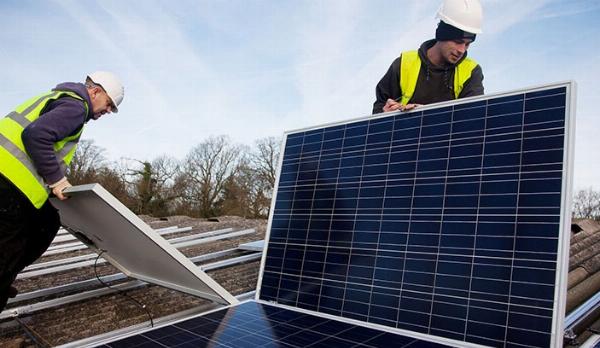
Expect the active rooftop installation—the day crews mount panels and wire the inverter—to take 1 to 3 days for a typical single-family home (3–8 kW system). However, the full timeline from initial site visit to final utility approval commonly ranges from 2 weeks to 3 months, depending on permitting speed, local inspections, and any required electrical or roof work.
Typical timeline breakdown and stages
Site assessment and design (1–7 days)
Site assessment, shading analysis, and system design are often completed in a few days to a week. This stage includes measuring roof area, selecting inverter type, and estimating production.
Permitting and approvals (1–6 weeks)
Permit review by the local Authority Having Jurisdiction (AHJ) can be the longest variable. Municipalities have different processes; simple electrical permits can clear in days while some jurisdictions take several weeks. Utility interconnection applications and net-metering agreements add additional time.
Procurement and scheduling (1–3 weeks)
Ordering panels, inverters, racking, and scheduling crew availability can add a week or more. Equipment lead times can extend this to several weeks during high-demand periods.
Roof and electrical prep (same day to 1+ week)
Minor roof repairs or a new conduit/upgrade to the main service may be required. If the roof needs replacement, that should occur before solar installation and can add days to weeks.
Rooftop installation (1–3 days)
Mounting rails, securing panels, and making DC and AC connections typically take one to three days for a standard residential system. Complex roofs or ground-mounted systems can take longer.
Inspection and utility interconnection (1 day to 4+ weeks)
After installation, a municipal electrical inspection is required before the utility grants permission to operate. Some utilities schedule inspections and meter upgrades quickly; others have multi-week queues.
Key factors that affect residential solar installation time
Permits and the solar permit and inspection timeline
Local permit processes and inspection backlogs are primary drivers of delay. Some jurisdictions offer expedited or online permitting; others require multiple in-person reviews.
Roof readiness for solar panels
Roof age, complexity, and condition influence timing. A roof replacement before installation can add 1–3 weeks. Simple, unshaded roofs allow faster mounting and fewer layout iterations.
Electrical service and panel upgrades
Homes with older electrical panels may need an upgrade (e.g., to meet the National Electrical Code (NEC) requirements), which adds time for electricians and permits.
5-step Solar Installation Readiness Checklist (named framework)
- Site snapshot: verify roof orientation, permits required, and shading.
- Document readiness: utility account, recent electrical upgrades, HOA rules.
- Roof condition check: confirm remaining life; schedule replacement if needed.
- Permit packet prep: accurate drawings, load calculations, and interconnection forms.
- Schedule coordination: align procurement, crew availability, and inspection windows.
Real-world example scenario
Example: A suburban 6.5 kW PV system on a single-family home. Initial site visit and design: 3 days. Permits submitted and approved: 2 weeks. Panels ordered and delivered: 1 week. Roof is sound; no panel upgrade needed. Installation crew completes work in 2 days. Local inspector visits within 4 days and clears the job; utility grants permission to operate 1 week later. Total elapsed time: about 6 weeks from initial contact to live system.
Practical tips to reduce delays
- Prepare required documents in advance: recent electrical inspection reports, roof photos, and utility account information.
- Check local permitting portals to estimate lead times and submit fully completed permit packets to avoid resubmissions.
- Coordinate roof replacement before solar if the roof is near end-of-life to avoid rework.
- Ask the installer about equipment lead times and opt for in-stock components when speed is a priority.
Common mistakes and trade-offs
Common mistakes
- Booking an installation before confirming permit approval or utility interconnection timelines.
- Underestimating the need for electrical panel upgrades or roof repairs.
- Assuming all municipalities have the same inspection speed—local variance is large.
Trade-offs to consider
Faster installations may require paying for expedited permits or choosing readily available equipment, which can raise costs. Waiting for optimal equipment or scheduling around seasonal weather may delay energization but can improve long-term performance and satisfaction.
Core cluster questions (for related content and internal linking)
- What paperwork is needed to get a solar permit for a house?
- How to tell if a roof needs replacement before installing solar panels?
- What happens during a solar inspection after installation?
- How long do solar panels last once installed and what maintenance is required?
- How does the utility interconnection process work for residential solar?
For official guidance on permitting and interconnection best practices, consult the U.S. Department of Energy's solar resources: U.S. Department of Energy.
Additional considerations
Standards and codes—such as the National Electrical Code (NEC) and UL equipment certifications—affect design and inspection decisions. Expect installers to reference NEC rules for rapid shutdown and safe installation practices. The Authority Having Jurisdiction (AHJ) enforces local code interpretations, which can influence timeline.
When to expect longer timelines
Complex roofs, historic districts with extra approvals, major electrical service upgrades, or supply-chain delays for inverters and panels can stretch projects to 2–3 months or longer. Ground-mounted systems often add engineering and site work time.
FAQ
How long does it take to install solar panels on a typical home?
Active rooftop installation typically takes 1–3 days, but the full process from initial site visit to utility permission to operate generally takes 2 weeks to 3 months, depending on permitting, inspections, and any required upgrades.
Can a solar installation be completed in a single day?
Yes. For straightforward systems with no electrical or roof work, a qualified crew can mount panels and make basic connections in a single day. Final inspections and utility interconnection may still require additional days or weeks.
Does roof type change the installation time?
Yes. Asphalt shingle roofs are typically fastest. Tile, slate, or metal roofs can require special mounts or more labor, increasing installation time and cost.
How do permits and inspections affect the schedule?
Permits and inspections are often the longest part of the timeline. Submitting thorough permit packets and coordinating with local inspectors reduces rework and shortens overall project time.