Step-by-Step Music Video Production Process: A Practical Checklist for Bringing a Vision to Life
-

- April 23rd, 2026
- 639 views
Turning a song into a memorable visual requires planning, collaboration, and a clear music video production process. This guide breaks down the tasks from concept to release, lists common mistakes and trade-offs, and provides a named framework and checklist that works for indie artists and seasoned producers alike.
Detected intent: Informational
- Follow the S.T.A.G.E. framework: Script, Treatment, Art, Gear, Execute.
- Key phases: pre-production, production, post-production, distribution.
- Includes a practical checklist, budgeting notes, licensing reminder, and core cluster questions for deep dives.
music video production process: the S.T.A.G.E. framework
The following S.T.A.G.E. framework gives a repeatable structure for creative and logistical choices. It fits all scales: single-camera mobile shoots to multi-day productions with a crew.
S — Script & Concept
Define the story, mood, and structure. Create a short treatment (1 page) and a storyboard or shot list. For narrative pieces, write scene beats tied to the song's sections: intro, verse, chorus, bridge, outro.
T — Treatment & Team
Refine the treatment into a call sheet and crew list. Assign roles: director, producer, director of photography (DoP), gaffer, grip, sound, costume, makeup, and production assistant. Schedule rehearsals and confirm location permits and insurance.
A — Art Direction & Assets
Set design, costumes, props, and color palette live here. Prepare a mood board. Make a list of practical assets: furniture, wardrobe, vehicles, practical lights. Plan for continuity notes and backups for key props.
G — Gear & Logistics
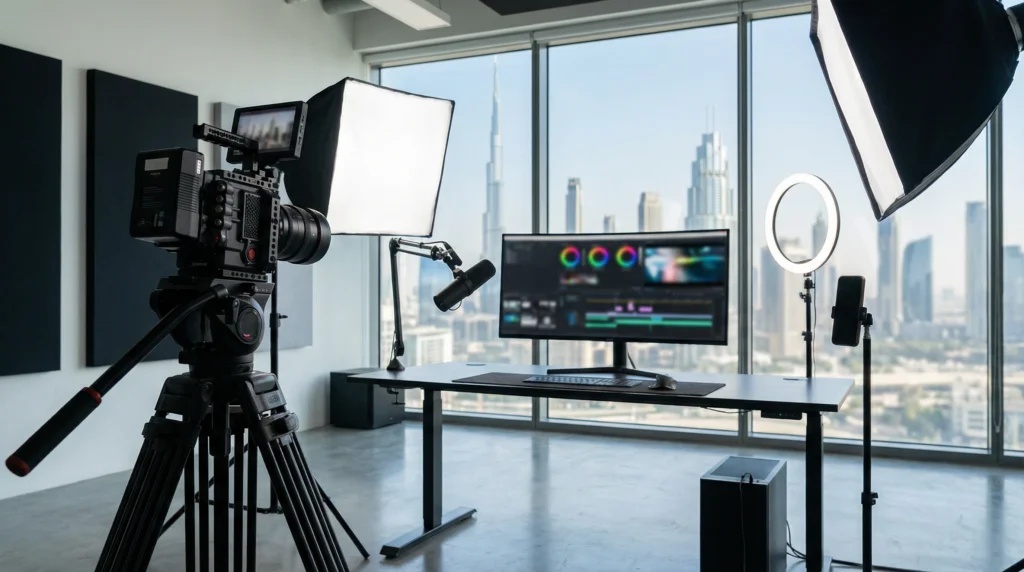
Finalize camera package, lenses, stabilization (gimbal, dolly), lighting, sound, and data workflow (cards, backups, DIT). Scout and secure locations, permits, parking, and craft services. Create a real shoot-day timeline that includes buffer time for travel and lighting setups.
E — Execute & Edit
Shoot with the shot list and the DoP's storyboard as guideposts. Log footage, back up media, and maintain camera reports. Post-production includes offline edit, color grading, VFX, motion graphics, and final mix. Plan deliverables and export specs for platforms (YouTube, Instagram, TikTok, distribution partners).
Pre-production checklist (quick reference)
- Finalize treatment and storyboard
- Budget and schedule; create a line-item budget and contingency (10–20%)
- Hire key crew and confirm availability
- Secure locations, permits, insurance
- Clear music rights and sync licenses before distribution (U.S. Copyright Office music FAQ)
- Prepare call sheets, shot lists, and camera gear lists
Real-world example: one-location cinematic video
An indie singer-songwriter wants a cinematic, single-location music video to match a melancholic ballad. Using the S.T.A.G.E. framework: write a two-page treatment where the protagonist moves through rooms representing memory; hire a cinematographer skilled in natural light; build a small, textured set; choose a three-camera setup (wide, medium, handheld close-up); shoot over one long day with scripted performance sections; and plan color grading for warm highlights and cool shadows in post. Budget trade-offs: spend more on lighting and the DoP, save on extras and elaborate locations.
Budgeting, rights, and technical trade-offs
Budget allocation depends on creative priorities. Typical spend distribution for a mid-range production: 25–35% crew and DoP, 15–25% gear and rental, 10–20% location and permits, 10% post-production, remainder for art, catering, and contingency. Trade-offs include:
- Lighting vs. lens package: investing in lenses can change image character; investing in lights increases control.
- Long shoot days vs. multiple shooting days: compressing days reduces travel and location costs but increases crew fatigue and risk to production quality.
- Practical effects vs. VFX: practical effects often read better in-camera but may require more prep and safety planning.
Common mistakes
- Skipping a shot list and relying on improvisation—leads to coverage gaps in the edit.
- Neglecting music rights and sync clearance before release—can block distribution.
- Underestimating data management—insufficient backups risk losing footage.
- Poor communication on set about continuity and performance beats—creates extra work in post.
Practical tips: actionable points
- Lock the edit plan before expensive pickups—schedule pickups as separate days with clear objectives.
- Create a three-tier shot list: must-have, nice-to-have, and optional. Prioritize coverage for the chorus and emotional peaks.
- Use a simple color script early—choose two or three key color references to guide art direction and grading.
- Assign one person to data verification: card labeling, checksum backups, and storage rotation to avoid data loss.
- Prepare a short promotional delivery plan (formats, aspect ratios, captions) during pre-production to avoid rework.
Core cluster questions
- What are the essential steps in planning a music video?
- How much does a professional music video typically cost?
- What permits and insurance are needed for on-location music video shoots?
- How should footage be backed up and archived during production?
- What are best practices for clearing music and sync rights for a music video?
Distribution and performance optimization
Deliver platform-specific assets: vertical edit for mobile apps, 16:9 for YouTube, and a shorter teaser clip for social. Add subtitles or lyrics for accessibility and engagement. Monitor analytics and be prepared to iterate: short-form clips and stills often drive long-form views.
Metrics and post-launch actions
Track watch-through rate, retention spikes, click-throughs to artist profiles, and playlist adds. Use that data to schedule follow-up content: behind-the-scenes clips, lyric videos, and live session performances aligned with the video's reception.
FAQ
What is the music video production process and how long does it take?
The music video production process includes concept development, pre-production (planning, casting, permits), production (shoot), and post-production (editing, color, finishing). A simple one-location shoot can be planned and completed in 2–4 weeks; more complex productions with multiple locations, VFX, or large crews can take several months from concept to release.
How to plan a music video on a limited budget?
Prioritize: invest in a strong DoP or director, keep locations simple, use practical lighting when possible, hire a small, experienced crew, and prepare detailed shot lists to reduce shoot time. Barter services, use local talent, and reuse locations or props to cut costs.
What licenses are required before releasing a music video?
Obtain a synchronization (sync) license for the composition and confirm master recording rights if using the original track. If using samples or third-party elements, secure clearances. For factual guidance on copyright and music licensing, consult the U.S. Copyright Office music FAQ.
What are common music video production tips for better results?
Plan for coverage over performance; use a three-tier shot list (must-have, nice-to-have, optional); test lighting and camera settings before principal photography; and assign a dedicated data person to manage backups. Optimize deliverables for the platforms where the audience lives.
How much should be allocated to post-production in a budget?
Typically 10–20% of the total budget, but this varies by needs: VFX-heavy or high-end color grading and audio mixing will increase post costs. Always include a contingency for late-stage fixes or additional sound design.