Family Homestay Guide: How to Choose the Best Homestay for a Family
-

- March 04th, 2026
- 208 views
Choosing the best homestay for a family requires clear priorities, realistic trade-offs, and simple verification steps. This guide explains how to evaluate listings, screen hosts, and balance comfort, safety, and cost so the chosen homestay fits the whole family’s needs.
- Use the 5P Homestay Selection Framework: Purpose, People, Place, Practicalities, Protection.
- Prioritize sleeping arrangements, child safety, and host compatibility for family stays.
- Verify critical details with photos, messaging, and references; confirm emergency plans.
Detected intent: Commercial Investigation
How to choose the best homestay for a family: a step-by-step approach
Start by naming the must-haves for the trip (number of beds, private bathroom, kitchen access, proximity to activities). Use these non-negotiables to filter options quickly before considering softer preferences such as decor or local authenticity. Keep the family’s safety and routine in focus: children’s bedtimes, allergy needs, and food arrangements shape what is truly suitable.
5P Homestay Selection Framework (named checklist)
The 5P framework provides a structured checklist to compare homestays consistently:
- Purpose — Vacation, extended stay, medical visit, school exchange; purpose affects length and needed amenities.
- People — Number and ages of family members, multigenerational needs, accessibility requirements.
- Place — Neighborhood safety, distance to essentials (grocery, pharmacy, transport), noise level.
- Practicalities — Sleeping arrangements, bathroom count, kitchen access, laundry, heating/cooling.
- Protection — Safety features, host vetting, cancellation policy, emergency plan.
Key criteria to evaluate with examples
Sleeping and bathroom arrangements
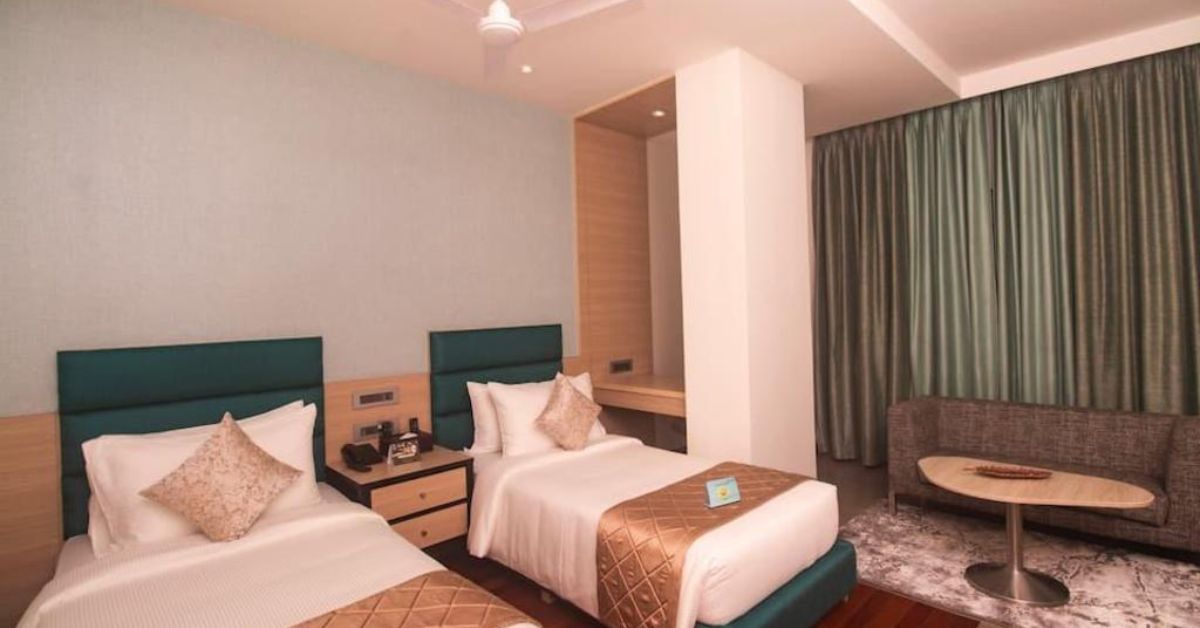
Confirm exact bed types and counts. For example, a family of four may require two separate bedrooms or one bedroom plus a convertible sofa. Photos and direct messaging can clarify if advertised "sleep 6" is practical for children and adults.
Child safety and accessibility
Look for stair gates, accessible bathrooms, fenced yards, and secure windows. If traveling with infants, ask whether the host can provide a crib or if a portable travel crib is required.
Host compatibility and house rules
Request the host’s typical routine and whether other guests or family members will be present. Compatibility matters for dining, quiet hours, and use of shared spaces.
Verification steps and safety checks (homestay safety checklist)
- Ask for recent photos that match the listing, including the exact bedroom and yard.
- Request references or past guest contacts for family stays.
- Confirm emergency exits, local emergency numbers, and nearest medical facility.
- Check local travel advisories or health guidance where relevant: CDC travel.
Practical example scenario
Scenario: A family of five with two small children and one teenager needs a week-long homestay near a beach town. Applying the 5P framework:
- Purpose: Short vacation — prioritize child-friendly amenities and proximity to the beach.
- People: Two adults, three children (ages 2, 6, 15) — require a crib, one single bed, and one queen or two doubles.
- Place: Quiet residential street within 10 minutes of the beach and a grocery store.
- Practicalities: Full kitchen, two bathrooms preferred, laundry available, air conditioning.
- Protection: Host with clear cancellation terms, verified ID, and a smoke detector on every floor.
Result: Shortlist homestays that confirm a crib and two bathrooms; prioritize hosts who provide local recommendations and have positive family-specific reviews.
Practical tips for booking a family-friendly homestay (family-friendly homestay tips)
- Communicate clearly before booking: state exact ages of children, arrival time, and any mobility needs.
- Request a walk-through video or live video call to verify layouts and safety features.
- Confirm sleeping arrangements in writing and ask about extra bedding or mattress options for older kids.
- Check cancellation and refund terms specifically for family disruptions (illness, sudden travel change).
- Plan backups: identify a nearby alternative (hotel or another homestay) in case the property is unsatisfactory on arrival.
Trade-offs and common mistakes
Common mistakes
- Assuming photos show the exact room: pictures can be dated or staged.
- Overlooking neighborhood noise: a perfect interior may sit on a busy street unsuited to toddlers.
- Not confirming host availability: some hosts expect guests to be independent and are rarely present.
Trade-offs to expect
- Cost vs. space: cheaper homestays may mean fewer bathrooms or shared facilities.
- Authenticity vs. convenience: an authentic local home might lack childproofing or a dedicated play area.
- Host interaction vs. privacy: family hosts can be helpful but may reduce privacy compared with fully private homes.
Core cluster questions for related articles
- What should families ask hosts before booking a homestay?
- How to childproof a homestay for infants and toddlers?
- What are reasonable house rules for families staying in a host’s home?
- How to verify a homestay listing’s safety and hygiene claims?
- When is a hotel or apartment better than a homestay for a family?
Final checklist before booking
- Confirm bed types and exact sleeping configuration in writing.
- Verify recent photos or request a live video tour.
- Ask for at least one family-specific reference or review.
- Check safety features and emergency plans; note local medical facility locations.
- Keep a backup plan and clarify cancellation terms.
Frequently asked questions
How to choose the best homestay for a family?
Choose by matching the 5P framework to the family’s priorities: confirm sleeping arrangements, child safety measures, and host compatibility; verify with photos, references, and a clear emergency plan. Prioritize essentials (beds, bathrooms, proximity to services) over aesthetic features.
What is essential when staying in a homestay with children?
Essentials include secure sleeping arrangements, working smoke detectors, accessible first-aid supplies, and a host who understands family routines. Also confirm kitchen safety and whether potentially hazardous items (medicines, cleaning supplies) are stored out of reach.
How far in advance should a family book a homestay?
Book earlier for peak travel seasons and larger family groups. For medium-to-high demand destinations, 6–12 weeks is practical; for low-season travel, 2–4 weeks may suffice. Early booking increases selection and allows time to verify details.
Can hosts provide child-specific amenities?
Many hosts can supply cribs, high chairs, or baby gates on request, but these should be confirmed and recorded in the booking communication to avoid surprises on arrival.
Is it safer to choose a verified listing or local agency?
Verification adds confidence but is not a guarantee. Pair listing verification with direct host communication, references, and local emergency planning. For higher-risk destinations or special needs, consider booking through a recognized agency or platform that offers family-specific support and guarantees.