Complete Car Detailing Guide: Make Your Car Look New Again
-

- March 06th, 2026
- 230 views

Get a free topical map and start building content authority today.
Detailing can restore shine, remove contaminants, and extend the life of surfaces—if done correctly. This practical guide explains how to make your car look new again with focused exterior and interior detailing steps that are safe, efficient, and repeatable.
Detected intent: Informational
How to make your car look new again: Step-by-step detailing
Making a car look new again requires a sequence: remove dirt and contaminants, correct paint defects when needed, clean and condition interior surfaces, and finish with a durable protective layer. This full process blends exterior car detailing steps with an interior detailing checklist to deliver a coherent result.
DETAIL checklist: a practical framework for repeatable results
Use the DETAIL checklist to keep work organized and avoid skipping steps:
- D — Decontaminate: Remove iron deposits, tar, and industrial fallout (clay bar or chemical decontaminant).
- E — Exterior wash: Two-bucket method, pH-balanced shampoo, and proper drying to prevent water spots.
- T — Tape and trim: Mask delicate trim and protect plastic before polishing to avoid damage.
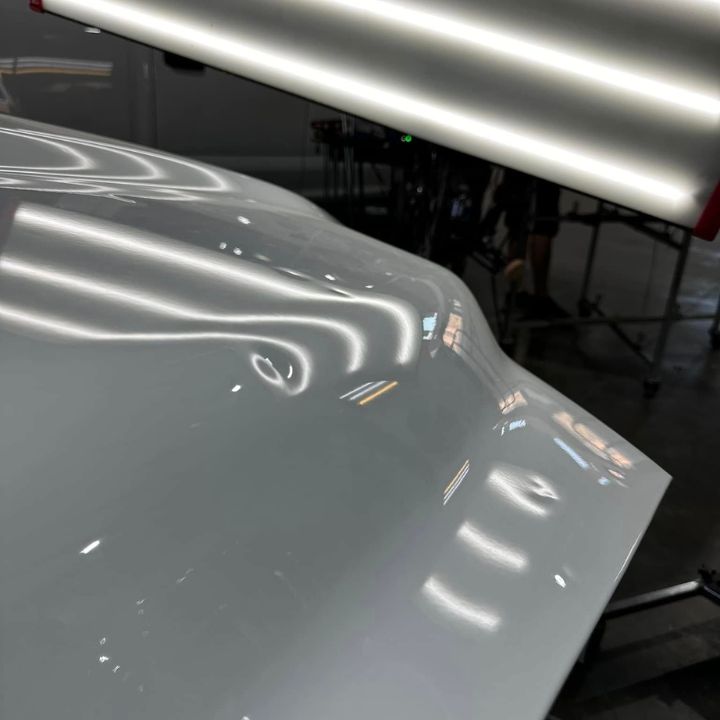
- A — Apply correction: Polish or compound to remove swirl marks and oxidation as needed.
- I — Interior detailing: Vacuum, clean fabrics, condition leather, and restore plastics.
- L — Layer protection: Choose wax, paint sealant, or ceramic coating based on desired longevity and budget.
Exterior car detailing steps: concise, high-impact actions
Start with a decontamination step to avoid rubbing contaminants into paint. Next, perform an exterior wash using the two-bucket method and a soft wash mitt. Dry using a microfiber drying towel or blower to reduce swirl marks. If paint looks dull or has visible scratches, perform a paint-correction stage with appropriate polish and pads. Finish by applying a protective layer — carnauba wax for deep gloss, synthetic sealant for durability, or a ceramic coating for long-term protection.
Interior detailing checklist: restore surfaces and scent
Vacuum carpets and crevices first, then clean surfaces from top to bottom. Use fabric cleaner or steam for upholstery stains, and a dedicated leather cleaner/conditioner for leather seats. Clean vents and hard-to-reach zones with soft brushes and compressed air. Use a UV-protective dressing on dashboards and trim to prevent cracking and fading.
Practical tips for faster, safer results
- Work in the shade and on a cool surface to prevent products from drying too quickly.
- Keep microfiber towels dedicated to specific tasks (paint, interior, wheels) to avoid cross-contamination.
- Test polishes and dressings on a small, hidden area before treating the whole vehicle.
- For paint correction, start with the least aggressive polish and only increase cut if necessary.
Common mistakes and trade-offs
Choosing products and methods involves trade-offs between cost, durability, and time. Wax is inexpensive and gives instant gloss but lasts weeks. Synthetic sealants last months but may not match the depth of wax. Ceramic coatings offer long-term protection but are more expensive and require proper surface prep. Common mistakes include skipping decontamination before polishing (which can embed particles into paint), using household cleaners on interior plastics (can strip protective oils), and working in direct sun (causes streaks).
Short real-world example
A 2015 sedan with dull paint and light swirl marks: 1) Rinse and iron decontaminate to remove brake dust, 2) Two-bucket wash and clay-bar to remove bonded contaminants, 3) One-step polish with a dual-action polisher to reduce swirls, 4) Clean and condition leather seats, 5) Apply synthetic sealant for three-month protection. Result: noticeably deeper gloss, smoother finish, and refreshed interior without expensive repainting.
Health, safety, and environmental note
Use personal protective equipment (gloves, eye protection) for chemicals, and avoid discharging wash runoff into storm drains. For environmental best practices on runoff management, consult official guidance from the Environmental Protection Agency: https://www.epa.gov/nps/urban-runoff-stormwater.
Core cluster questions
- What are the essential steps in a professional car detailing routine?
- How often should paint correction be performed vs. regular waxing?
- Which interior cleaning methods are safe for leather and fabric?
- When is a ceramic coating worth the investment compared to sealants?
- What tools are necessary for an effective at-home detailing kit?
Practical maintenance schedule
For ongoing results: wash every 1–2 weeks, clay and inspect every 3–6 months, apply a durable sealant every 3–6 months or wax monthly for peak gloss. Deep paint correction and coating are occasional investments—typically every few years depending on exposure and wear.
How to make your car look new again?
Follow the DETAIL checklist: decontaminate, wash, correct, interior clean, and protect. Prioritize removing contaminants first, then correct paint only when necessary. Regular maintenance washes and periodic protection keep the vehicle looking near-new with less intensive work over time.
Do professional detailers always paint-correct?
No. Paint correction is performed when defects like swirls, oxidation, or light scratches reduce clarity. Professionals evaluate condition and recommend the minimal correction needed to preserve clear coat thickness.
Can detailing remove deep scratches?
Detailing can reduce the appearance of shallow to moderate scratches through polishing. Deep scratches that penetrate the clear coat may require touch-up paint or panel repair.
Is it better to use a synthetic sealant or a ceramic coating?
Synthetic sealants offer months of protection with easier reapplication. Ceramic coatings provide longer-term protection and hydrophobic properties but require meticulous surface prep and higher cost. Choose based on how long between services and desired durability.
How long does a full detail typically take?
An at-home full detail can take 3–6 hours depending on condition; professional services vary from 2–8+ hours. Time increases with added paint correction or heavy interior restoration.
By using a consistent workflow, avoiding common mistakes, and choosing protection that fits maintenance cadence and budget, a car can be returned to near-new appearance without needless cost or risk.