Why Businesses Choose Hybrid Mobile App Development
-

- Published Updated
- 1,178 views

Have you ever thought--what makes a mobile app approach practical for a business? It needs to support users across devices while also fitting the available budget, timeline and development resources. That shows every decision matters. The development approach you choose can affect how easily the app is built, maintained and expanded later.
This is where hybrid mobile app development becomes an option. It supports multiple platforms. Businesses can use this approach to build an application without managing completely separate development projects for each platform.
But is it practical for every business? The right choice depends on the app’s requirements, business goals and available resources. In this blog, we look at the benefits of hybrid mobile app development and the factors worth considering before choosing this approach.
What Is Hybrid Mobile App Development?
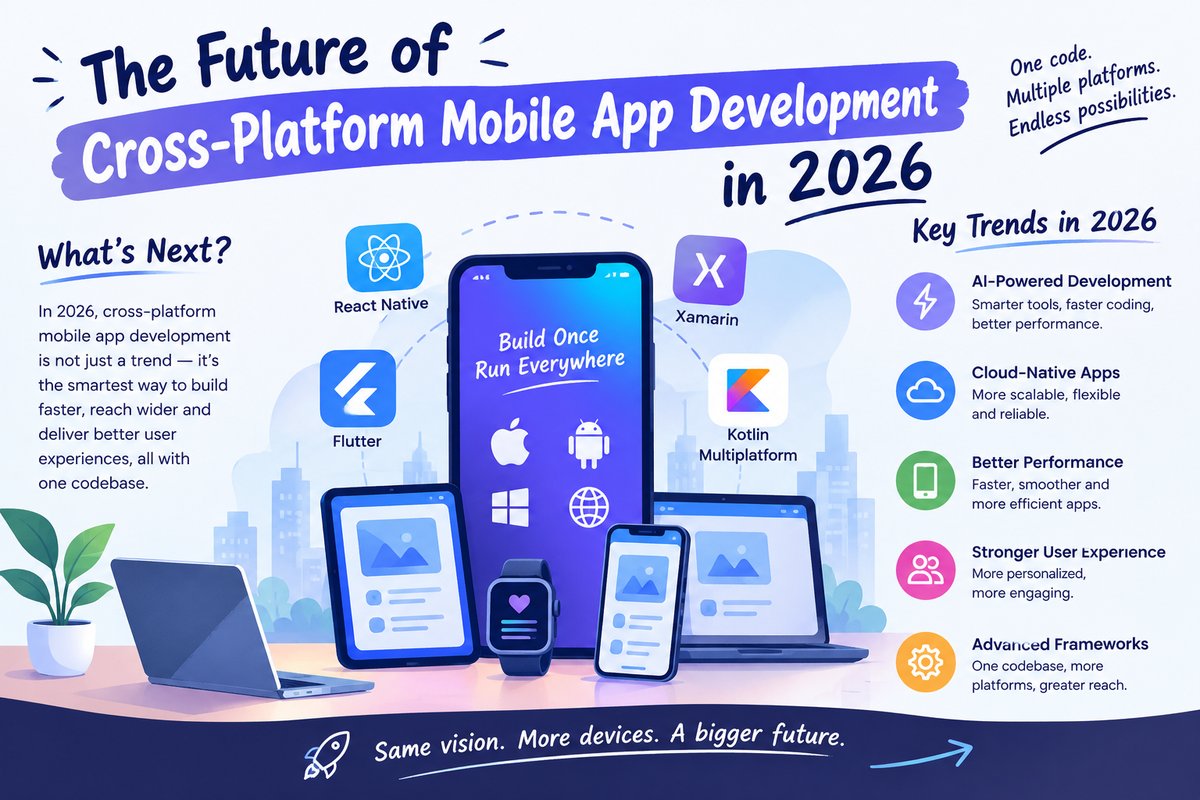
Hybrid brings web and mobile development together. It allows an application to work across different platforms. The idea is simple. Instead of building a separate app for each operating system, developers can use a shared codebase.
That can make things easier. Businesses targeting both Android and iOS users can avoid repeating much of the same development work. But it is not always suitable. The app’s features, performance needs, target users, and future plans should all be considered before choosing this approach.
Why Do Businesses Consider Hybrid App Development?
The main attraction is efficiency. Businesses often want to reach users on different platforms without duplicating every stage of development.
1. One Development Approach for Multiple Platforms
A shared codebase can reduce the amount of separate development work required for different platforms. Teams can build common application functionality once and adapt it where platform-specific requirements exist.
For businesses targeting customers across India, the USA, or multiple international markets, this can make multi-platform deployment easier to manage.
2. More Efficient Development Cycles
Developing separate native apps requires different workflows, testing processes, and maintenance efforts. A hybrid approach brings much of this work together, reducing duplicated development.
However, launch time still depends on project complexity, integrations, design, testing, and team experience. For suitable projects, this approach can help businesses use resources efficiently.
3. Simplified Maintenance
A mobile application does not end when it reaches the app store. Businesses need to fix issues. They need to improve features, release updates, and keep pace with changing user needs.
Enter the role of a shared codebase. With it, updates to common functionality can often be managed more consistently across supported platforms. This can make ongoing maintenance easier to organise, particularly for businesses with limited development resources.
When Is Hybrid Development a Suitable Option?
Hybrid can be a practical option. It suits businesses that want mobile apps on multiple platforms without repeating the entire development process. It works for many projects. Business tools, e-commerce apps, booking platforms, and customer-facing applications can all benefit from this approach.
But it is not universal. Projects that rely heavily on advanced device features, complex graphics, or platform-specific performance may need a different development approach. The requirements should guide the decision.
Mobile App Development Services and Their Role
Professional mobile app development services can cover the entire journey. They can take an app from the initial planning stage through testing and deployment. The work does not stop there. Teams can continue improving the application while addressing new requirements and user feedback.
Planning matters from the start. Before development begins, teams can review the right platforms and future goals. This early planning helps businesses build applications that work reliably across different devices, markets, and changing customer needs.
Choosing a Mobile App Development Company
Businesses without an internal mobile development team may choose to work with a mobile app development company in India for access to specialised technical skills and structured development support.
The selection should go beyond checking whether a company offers mobile development. Businesses should examine its experience with similar applications, development process, testing practices, communication methods, maintenance support, and ability to understand business requirements. A suitable technology partner should be able to explain technical decisions clearly instead of simply recommending a particular development approach.
Android App Development for Businesses
Android is a major platform choice. Businesses can use it to reach global-level customers across devices. The development process still needs planning. An Android App Development Company in India can help with platform requirements, device compatibility, testing, and deployment. But the audience matters first. If customers use both Android and iOS, cross-platform development is the better choice.
Conclusion
Hybrid mobile app development can help businesses reach more users. However, its suitability varies. The decision depends on the app’s features, target users, and project requirements. So, start with the bigger picture. Businesses should look at their needs, from budget to future plans, before choosing an approach. The goal is long-term value. The right development approach should meet today’s needs while giving the application enough flexibility to grow later.
Ready to build a scalable mobile app? Then, partner with a leading mobile app development company in India like Binstellar. We help businesses plan and build apps based on their platform needs and other objectives. Contact us today! Let’s take the next step towards building a solution that can grow with your business.