How React Native App Development Services Support Faster and More Flexible Product Development
-

- Published Updated
- 1,348 views
Launching a mobile product involves much more than writing code. Businesses need to understand their customers, test their ideas, respond to market changes, and keep improving the product after launch. For companies targeting both Android and iOS users, the development approach can influence how quickly they move from an idea to a working product and how easily they adapt when requirements change.
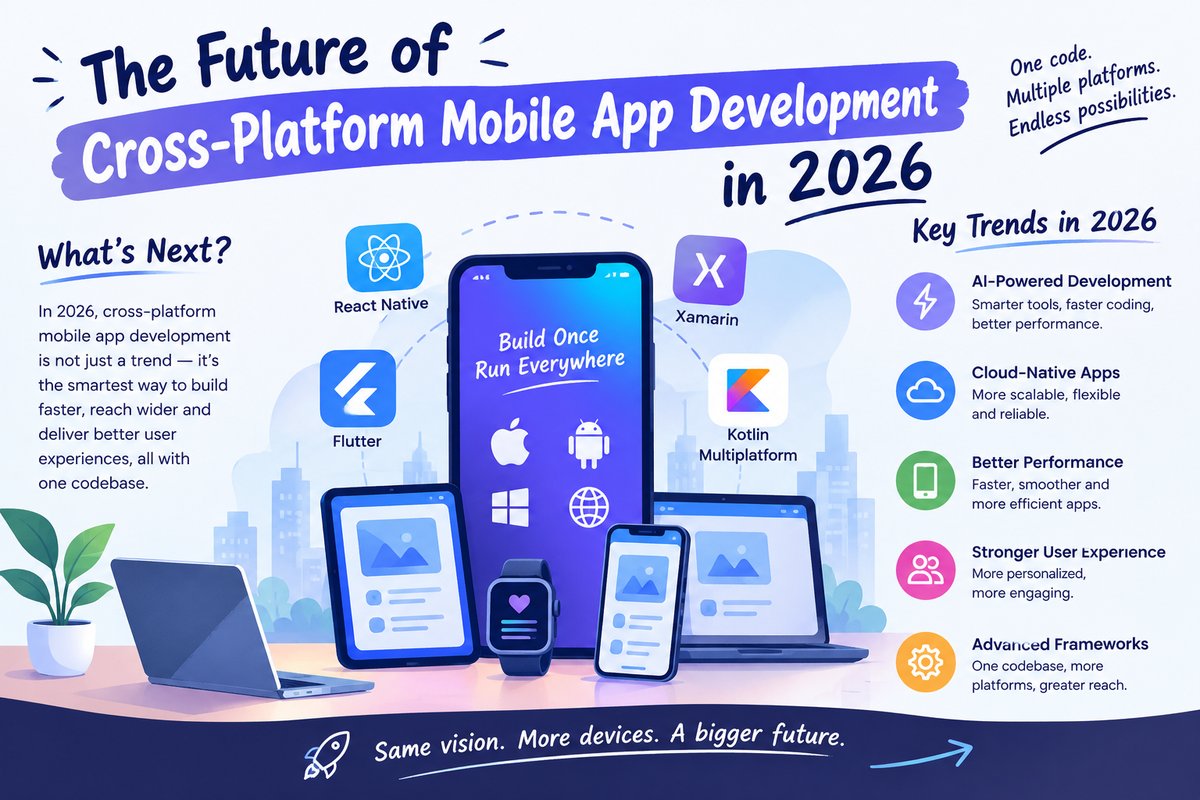
This is where React Native app development services can be considered. React Native is a framework for building mobile applications that can target multiple platforms while giving developers access to platform-specific capabilities when needed. For businesses, however, the bigger question is not about the framework itself. It is about whether the approach can support their product goals, development timeline, and long-term plans.
Start With the Product, Not the Technology
Before choosing a development approach, businesses should define what they actually want to achieve. An ecommerce company may want to make mobile shopping easier. A logistics provider might need better delivery tracking. A startup could be testing a completely new digital service.
These projects have different requirements, so technology should follow the business needs. Companies can also work with providers offering mobile app development services across the product lifecycle, including planning, UI/UX design, development, testing, deployment, and ongoing support.
Get From Idea to Market More Efficiently
Timing matters when launching a digital product. A business may have identified a customer problem but still needs to test whether its proposed solution works in the real world. Spending too much time building an overly complex first version can delay that learning process.
A focused development approach can help teams create an initial product, release it to users, gather feedback, and decide what should come next. This does not mean sacrificing quality for speed. Security, testing, performance, and usability still need attention before launch. The goal is to spend development time on features that provide genuine value rather than building everything at once.
Make Product Decisions Based on Real Users
What businesses think customers want and what customers actually use can be two things. An app might come out with ten features. People might use only three of them a lot. Feedback can also show that a key part of how customers move through the process is harder than expected. An ongoing development process lets companies learn from how people behave.
By seeing the first version as the end result groups can use what customers say and data to decide what to improve next. This way of working can be very helpful, for companies and businesses that are trying something new where its not clear yet what customers are looking for.
Adapt When Business Requirements Change
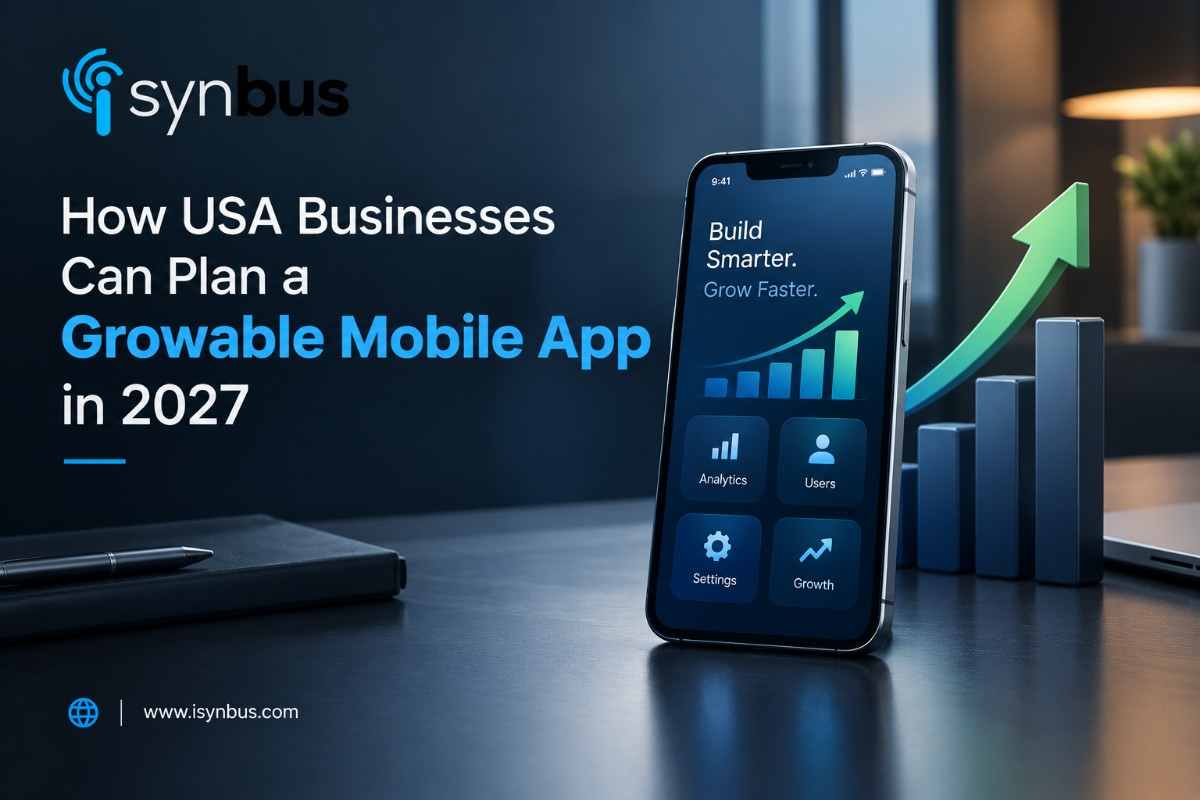
Business plans can shift fast. A company might begin with an app and later add things like online payments, loyalty programs, location-based features, customer messaging, analytics or new user roles. The way the app is built must allow for these changes while still staying true to the purpose of the product.
React Native supports APIs, third-party services and native device features which gives development teams the freedom to grow the app as needs change. The key is to prepare for change, from the start. An app built with a structure is much easier to improve than one built without a clear technical foundation.
Create a Better Connected Digital Experience
A mobile app does not usually work by itself. Behind the app there could be payment systems, CRM software, inventory platforms, analytics tools, ERP systems or other business applications. Linking these systems can make the mobile experience better.
For example an e-commerce app can connect with inventory and order management systems so customers can see if products are available, place orders and track shipments, without depending on processes. This is where e-commerce app development services can assist businesses in bringing shopping into their larger digital world.
When Is Custom Development Worth Considering?
Not every business can rely on a ready‑made application. Some companies have workflows, unique needs or integration demands that standard software does not handle well. That is where custom mobile app development becomes useful.
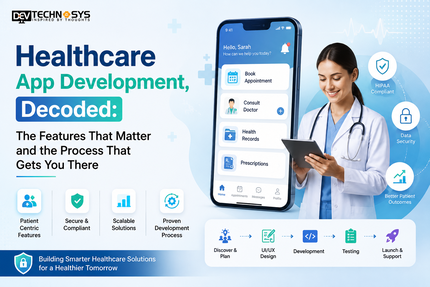
A custom application lets businesses design the product around their processes, not the way around. For example a healthcare provider may need appointment scheduling, secure communication, patient records and special workflows all, in one application. The investment can be justified when the custom mobile app development solves a business problem and gives value that standard software cannot easily provide.
Think Beyond the First Launch
An app does not stop needing attention once it's in the app stores. Businesses may have to fix bugs, make performance better, answer customer comments, update connections, add features and deal with security rules. Because of this maintenance needs to be in the plan.
When looking at react native app development services businesses should ask what happens after the app is launched and if the company can offer help over time. A plan that lasts a time can assist turn the first app into a product that keeps helping the business as it gets bigger.
Final Thoughts
React Native can be a choice for businesses that want to create mobile products and keep things flexible during the whole process of building them. Picking a framework should not be the first thing to do. The first thing should be looking at the customer problem then figuring out what the product needs, how much money is available, how time there is, what other systems need to connect and what the business wants to do in the future.
Whether a business needs apps, web apps, online shopping features or something completely unique, the plan for development should focus on what users need and what the business is trying to reach. With planning and the right team to work with, businesses can make digital products that are not just ready to go live but also able to change and grow as their users and the market change.