Inclusive Home Renovations: Designing Accessible, Future-Ready Living Spaces
-

- March 16th, 2026
- 1,381 views

FREE SEO Topical Map Generator: Find Your Next Content Ideas
Inclusive design for home renovations focuses on creating living spaces that are usable, safe, and welcoming for people of different ages, abilities, and situations. Incorporating inclusive design early in planning improves functionality, reduces the need for costly retrofits, and supports independence for occupants over time.
- Inclusive design makes homes accessible and adaptable for people of all ages and abilities.
- Key features include step-free access, wider doorways, accessible bathrooms and kitchens, clear circulation, and good lighting.
- Planning early with universal design principles and local building codes saves money and improves long-term usability.
- Consultation with design professionals, occupational therapists, or building inspectors helps align renovations with safety and regulatory standards.
Why inclusive design matters in home renovations
Demographic shifts and longer life expectancy mean more households will benefit from inclusive design. Homes designed with accessibility in mind support aging in place, reduce fall risk, and accommodate temporary or permanent changes in mobility or sensory abilities. For homeowners and landlords, inclusive renovations can increase property value, broaden market appeal, and reduce future adaptation costs.
Core principles of inclusive design for homes
Equitable use
Spaces and elements should be useful to people with diverse abilities. Examples include lever handles instead of round knobs, and kitchen layouts that allow seated or standing use.
Flexibility and adaptability
Design features that can be adjusted or repurposed as needs change — such as reinforced walls for future grab-bar installation or provision for a ground-floor bedroom — reduce the need for invasive alterations later.
Simple, intuitive layouts
Clear circulation paths, consistent floor levels, and reduced clutter help people with cognitive or visual impairments navigate the home easily.
Perceptible information and lighting
Good contrast, glare-free lighting, and clear signage or wayfinding support people with low vision or hearing differences. Daylighting and layered artificial lighting improve safety and comfort.
Practical inclusive design features to consider
Entrances and circulation
Provide step-free access at main entrances or an alternative accessible route. Widened doorways (typically at least 32–36 inches clear), level thresholds, and smooth transitions between flooring materials facilitate mobility devices like wheelchairs and walkers.
Bathrooms and kitchens
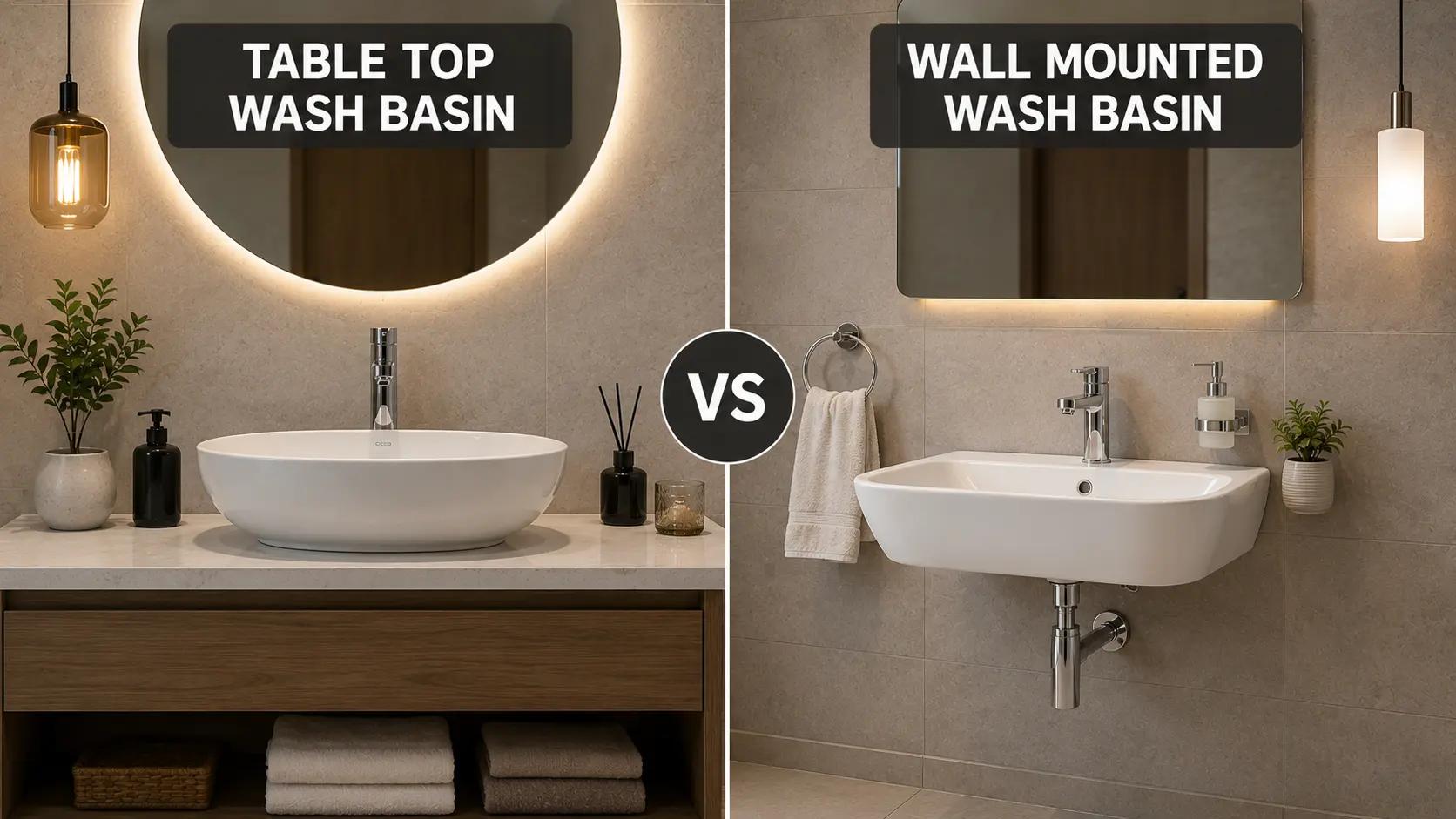
Bathrooms are frequently adapted after purchase; planning for a curbless shower, space for a transfer area, and height-adjustable or knee-clear sinks reduces future retrofit costs. In kitchens, consider lower countertops in at least one work area and pull-out storage to improve reach and use.
Floors, finishes, and controls
Slip-resistant but smooth flooring, clear color contrasts between floor and walls, and easy-to-reach controls (thermostats, light switches at 42–48 inches) help a wider range of users. Smart-home features can add value but should be accessible via simple interfaces.
Planning, costs, and regulations
Early planning reduces cost
Incorporating inclusive design during initial renovation planning is often less expensive than retrofitting after construction. Budgeting for a modest premium upfront can avoid major structural changes later.
Consult professionals and local standards
Local building codes, accessibility standards, and housing regulations differ by jurisdiction. Consulting qualified designers, building inspectors, or occupational therapists helps ensure compliance and usability. For international guidance on age-friendly and accessible environments, organizations such as the World Health Organization provide research and recommendations: World Health Organization – Ageing and Health.
Funding, incentives, and insurance
Some regions offer grants, tax credits, or loan programs to support accessibility modifications. Research local government or nonprofit programs that assist seniors and people with disabilities to defray renovation costs.
Implementation steps for an inclusive renovation
Assessment and goal setting
Start with an assessment of current and potential future needs. Identify high-priority areas (entrances, bathroom, bedroom) and set measurable goals for accessibility and safety.
Design and specification
Work with designers to translate goals into drawings and specifications. Prioritize durable, low-maintenance materials and reversible changes when possible.
Contracting and construction
Select contractors experienced with accessible design. Schedule inspections at key stages and verify that details like door clearances and threshold heights match the specifications.
Post-occupancy review
After completion, test the space with intended users if possible and document any adjustments needed. This step ensures that the renovation meets usability goals and informs future projects.
Benefits beyond accessibility
Inclusive design often improves overall comfort, safety, and aesthetic flexibility. Features such as improved lighting, non-slip surfaces, and flexible layouts benefit all occupants, including families with young children and visitors carrying luggage or groceries.
Frequently asked questions
What is inclusive design in home renovations?
Inclusive design in home renovations means planning and building spaces that are usable, safe, and comfortable for people of varying ages, sizes, and abilities. It emphasizes universal usability, adaptability, and clear circulation to reduce barriers and support independence.
How much more does an inclusive renovation cost?
Cost varies widely depending on the scope. Small changes (lever handles, improved lighting) can be relatively inexpensive, while structural alterations (adding a ramp or modifying bathrooms) involve higher costs. Early planning and prioritization can lower overall lifetime expenses by reducing future retrofit needs.
Are inclusive features required by building codes?
Requirements depend on local codes and whether the building is a private home, rental unit, or public housing. Some jurisdictions mandate accessibility features for new multi-family housing or public areas; consult local building authorities for specific regulations.
Can inclusive design improve property value?
Homes with accessible and adaptable features can appeal to a broader market, including aging homeowners and families seeking flexible living spaces. Well-executed inclusive renovations can enhance marketability and long-term value.
Who should be consulted when planning inclusive renovations?
Design professionals, licensed contractors, building inspectors, and, when relevant, occupational therapists or disability advocates can provide practical guidance. Engaging end users during planning helps ensure the space meets real needs.