Indian Saree Guide: History, Fabrics, Regional Styles, and Wearing Tips
-

- Published Updated
- 1,494 views
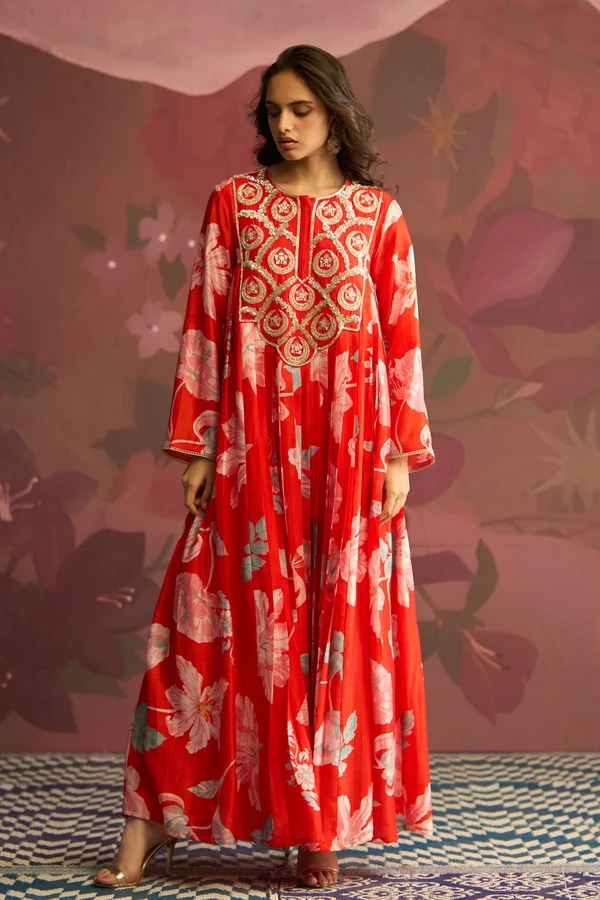
The Indian saree is a garment with deep cultural roots and enduring appeal. The Indian saree has been worn for centuries across South Asia, evolving in fabric, weave, ornamentation, and drape to reflect regional identities, social occasions, and technological changes in textile production.
- Origins: Ancient South Asian textile traditions and references in historic literature and sculpture.
- Fabrics and weaves: Common materials include silk, cotton, and blends; notable weaves include Banarasi, Kanjeevaram, Chanderi, and Ikat.
- Regional styles: Distinct drapes and motifs come from regions such as Bengal, Tamil Nadu, Gujarat, and Assam.
- Care and preservation: Handloom maintenance, gentle cleaning, and storage practices extend garment life.
- Contemporary use: Fashion, weddings, festivals, and sustainable handloom revival movements.
Why the Indian saree remains timeless
The saree's adaptability contributes to its status as a timeless garment. It can be made from hand-spun cotton for daily comfort, from heavy silk with metallic zari for bridal wear, or from lightweight synthetics for travel. The sari functions both as everyday attire and ceremonial dress, bridging social roles and aesthetic tastes. Weaving techniques and motif vocabularies passed down through generations preserve cultural memory while allowing contemporary reinterpretation by designers, artisans, and craft institutions.
Origins and historical context
Textile production in the Indian subcontinent dates back millennia, with archaeological finds and ancient texts referencing wrapped garments similar to the modern saree. Historic trade routes spread fabrics and techniques, influencing motifs and dyeing methods. Courtly patronage and guild systems contributed to specialized regional styles during medieval and colonial periods. Museums and academic research in textile history provide detailed accounts of these developments.
Fabrics, weaves, and common motifs
Materials: Silk varieties (mulberry silk, tussar, muga), cotton, and blended yarns are typical. Handloom techniques like brocade, ikat, jamdani, and kalamkari create distinct textures and patterns. Zari—metallic thread traditionally of gold or silver—adds lustre to many ceremonial sarees.
Notable weaves
- Banarasi: Known for rich brocades and Mughal-inspired floral motifs.
- Kanjeevaram (Kanchipuram): Heavy silk with temple borders and contrasting pallus.
- Chanderi: Lightweight silk-cotton blends with sheen and subtle motifs.
- Ikat and Patola: Resist-dyed patterns with geometric and figurative designs.
Regional draping styles and cultural meanings
Regional drapes convey local customs and social codes. The Nivi drape from Andhra Pradesh is widely recognized; the Bengali and Maharashtrian styles preserve distinct pallu and pleat arrangements. Motifs such as paisley, lotus, peacock, and temple borders often carry symbolic meaning tied to fertility, prosperity, and religious iconography. Weaving centers—Varanasi, Kanchipuram, Bhagalpur, and Assam—are linked to specific aesthetic repertoires and artisan communities.
Sustainability, handloom policy, and craft preservation
Handloom textiles represent both cultural heritage and livelihoods for millions of artisans. Government programs and craft development initiatives support handloom revival, skill training, and market access. For official information on textile policy, craft schemes, and handloom support programs, consult the national Ministry of Textiles, Government of India for program details and guidelines (Ministry of Textiles).
How to choose, wear, and care for a saree
Choosing the right fabric
Match fabric to occasion and climate: breathable cotton and mulmul for hot weather; silk for formal events. Consider weave density and embroidery when selecting care routines.
Draping and accessories
Learn basic drapes such as the Nivi, and experiment with regional variations to suit body shape and mobility needs. Undergarments, petticoats, and appropriate blouses influence fall and silhouette.
Care and storage
Handloom and silk sarees benefit from gentle cleaning—preferably professional or hand wash with mild detergents—and airing in shade. Store folded with acid-free tissue to avoid creases, and periodically refold to prevent permanent fold lines. Avoid prolonged exposure to sunlight that can fade dyes.
Contemporary relevance and global influence
The saree continues to appear in international fashion contexts and academic discussions on dress and identity. Designers and craft collectives blend traditional techniques with contemporary silhouettes, contributing to cultural continuity and innovation. Museums, textile research organizations, and cultural bodies document regional archives and conduct conservation training to preserve rare pieces for future study.
Frequently asked questions
What is an Indian saree and how is it different from other wrapped garments?
An Indian saree is a long unstitched fabric, typically between four and nine yards, wrapped and draped around the body in a variety of styles. Differences from other wrapped garments lie in draping techniques, regional names, fabric choices, and cultural meanings. The saree's combination of a long length, specific folding/pleating methods, and use with a fitted blouse and petticoat distinguishes it from other wraps.
How should delicate silk sarees be cleaned?
Delicate silks often require dry cleaning, though some handloom-educated conservators recommend gentle hand wash with cold water and mild detergent for certain pieces. Follow care labels when provided and consult a professional conservator for antique or heavily embellished sarees.
Which regional saree types are best for weddings?
Wedding sarees commonly include heavy silks with rich brocade or zari work—examples include Kanjeevaram, Banarasi, and certain Bridal Patolas—chosen for their ornate weaves and durability during ceremony rituals.
How can one support traditional weavers and handloom communities?
Support can take the form of purchasing directly from certified artisan cooperatives, attending craft fairs, learning about provenance and fair trade labels, and engaging with nonprofit and government programs that promote sustainable livelihoods for weavers.