Smart Interior Decoration for Small Spaces in Chennai: Space-Saving Ideas and Planning
-
- Published Updated
- 1,629 views
Interior Decoration for Small Spaces in Chennai presents unique challenges due to tropical humidity, compact apartment footprints and local planning considerations. Effective small-space design focuses on layout, storage, materials suited to a hot humid climate, and solutions that maximize usable area without sacrificing comfort.
- Start with a clear plan: measure, prioritize functions and identify natural light and ventilation paths.
- Choose multifunctional and vertical storage to free floor area.
- Use light-reflective finishes and cross-ventilation to improve comfort in Chennai's climate.
- Follow local planning guidelines and source durable, moisture-resistant materials.
Interior Decoration for Small Spaces in Chennai: Planning and Principles
Understand the floor plan and sunlight
Begin by mapping the usable areas, door swings and window positions. Chennai's orientation to the coast means some flats receive strong afternoon sun. Identifying where natural light and breezes enter helps position living areas and sleeping zones to remain cooler and brighter without excessive reliance on mechanical cooling.
Set clear priorities and functions
Small homes benefit from defined activity zones. Decide which functions are non-negotiable (sleep, food preparation, work) and which can be combined or occasional (guest sleeping, hobby space). Planning around functions avoids clutter and supports flexible furniture choices.
Space-Saving Furniture and Layout Strategies
Multifunctional pieces and built-ins
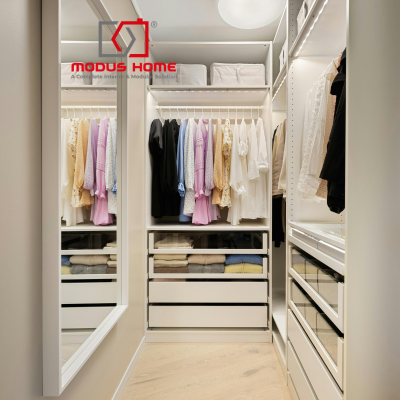
Furniture that performs more than one role—such as sofa-beds, fold-down tables, and benches with storage—reduces the number of separate items in a room. Built-in cabinets and shelving tailored to alcoves or under-stair areas convert wasted space into organized storage without reducing circulation.
Vertical storage and open sightlines
Using wall-mounted shelves, tall wardrobes and high-level cabinets keeps floors clear. Open sightlines, created by low-profile furniture and glass partitions instead of full walls, make small rooms feel larger by preserving visual continuity.
Flexible partitions
Sliding doors, folding screens and curtains create privacy when needed and open up space when not. These options work well in compact Chennai flats where every square foot counts.
Light, Color and Materials Suited to Chennai Climate
Color palettes and finishes
Light, muted colors reflect daylight and visually expand a room. Use durable, washable paints and moisture-tolerant finishes in kitchens and bathrooms to withstand coastal humidity. Reflective surfaces like polished tiles and strategically placed mirrors increase perceived space by bouncing light.
Ventilation, shading and thermal comfort
Promote cross-ventilation by aligning openings where possible and avoid blocking windows with bulky furniture. External shading—such as narrow balconies, louvers or awnings—reduces heat gain. In locations where mechanical cooling is used, choose energy-efficient fans and air-conditioning units and follow guidance from the Bureau of Energy Efficiency on efficient appliances.
Kitchen and Bathroom Strategies for Compact Homes
Efficient kitchen layouts
Compact kitchens benefit from streamlined work triangles, vertical storage for utensils and pull-out pantry units. Separating wet and dry zones and using easy-to-clean surfaces helps maintain hygiene in a humid environment.
Compact bathroom planning
Choose wall-hung fixtures to save floor space and install good extraction and ventilation to control moisture. Integrated niches and recessed shelves provide storage without projecting into the room.
Balcony, Terrace and Outdoor Extensions
Make outdoor space an extension of indoor living
Even small balconies can function as dining, planting or relaxation spaces with foldable furniture and vertical planters. Use lightweight, weather-resistant materials and plan for drainage and sun exposure typical of Chennai.
Local sourcing, contractors and regulations
Materials and local trades
Source moisture-resistant plywood, ceramic tiles and corrosion-resistant hardware suitable for coastal conditions. Local craftsmen and suppliers understand site-specific challenges and can adapt modular or bespoke solutions for tighter dimensions.
Planning approvals and codes
Check local building regulations and planning guidelines before significant alterations. For guidance on approvals and zoning within the Chennai metropolitan area consult the Chennai Metropolitan Development Authority for current regulations and procedures: CMDA. Following statutory requirements avoids delays and noncompliance issues.
Maintenance and long-term usability
Design for easy cleaning and adaptability
Choose finishes that withstand humidity and are easy to maintain. Design storage so it can be reorganized as needs change—modular shelving, adjustable rails and removable inserts increase the lifespan of an interior layout.
Declutter regularly
Periodic review of possessions keeps small spaces functional. Clear, well-labelled storage bins and consistent places for everyday items reduce visual clutter and improve use of available space.
Cost-effective approaches
Prioritize high-impact changes
Small investments in lighting, mirrors, paint and decluttering can produce a noticeable increase in perceived space. Reserve larger expenditures for built-ins or structural changes that provide measurable increases in usable area.
Choose durable over trendy
Materials and solutions that are robust in coastal climates provide better long-term value by reducing maintenance and replacement costs.
Frequently asked questions
What are the best practices for Interior Decoration for Small Spaces in Chennai?
Best practices include accurate measuring and planning, prioritizing multifunctional furniture, maximizing vertical storage, using light-reflective colors and finishes, promoting cross-ventilation, selecting moisture-resistant materials and complying with local planning regulations.
How can small Chennai homes stay cool without heavy air conditioning?
Optimize natural ventilation, use ceiling and exhaust fans, add external shading such as awnings or louvers, choose reflective finishes and locate sleeping areas away from direct afternoon sun to reduce cooling demands.
Are built-in cabinets better than freestanding units in compact apartments?
Built-in cabinets are often more space-efficient because they use irregular spaces and reach up to the ceiling, but freestanding units may be preferable when flexibility or mobility is required. Consider a hybrid approach based on long-term plans for the home.
Where to find reliable guidance on approvals and modifications in Chennai?
Local planning authorities such as the Chennai Metropolitan Development Authority provide information on building regulations and development permissions. Consulting them early helps ensure compliance and smooth execution of projects.