iOS Development Company: Complete Guide to iOS Development Services
-

- Published Updated
- 110 views
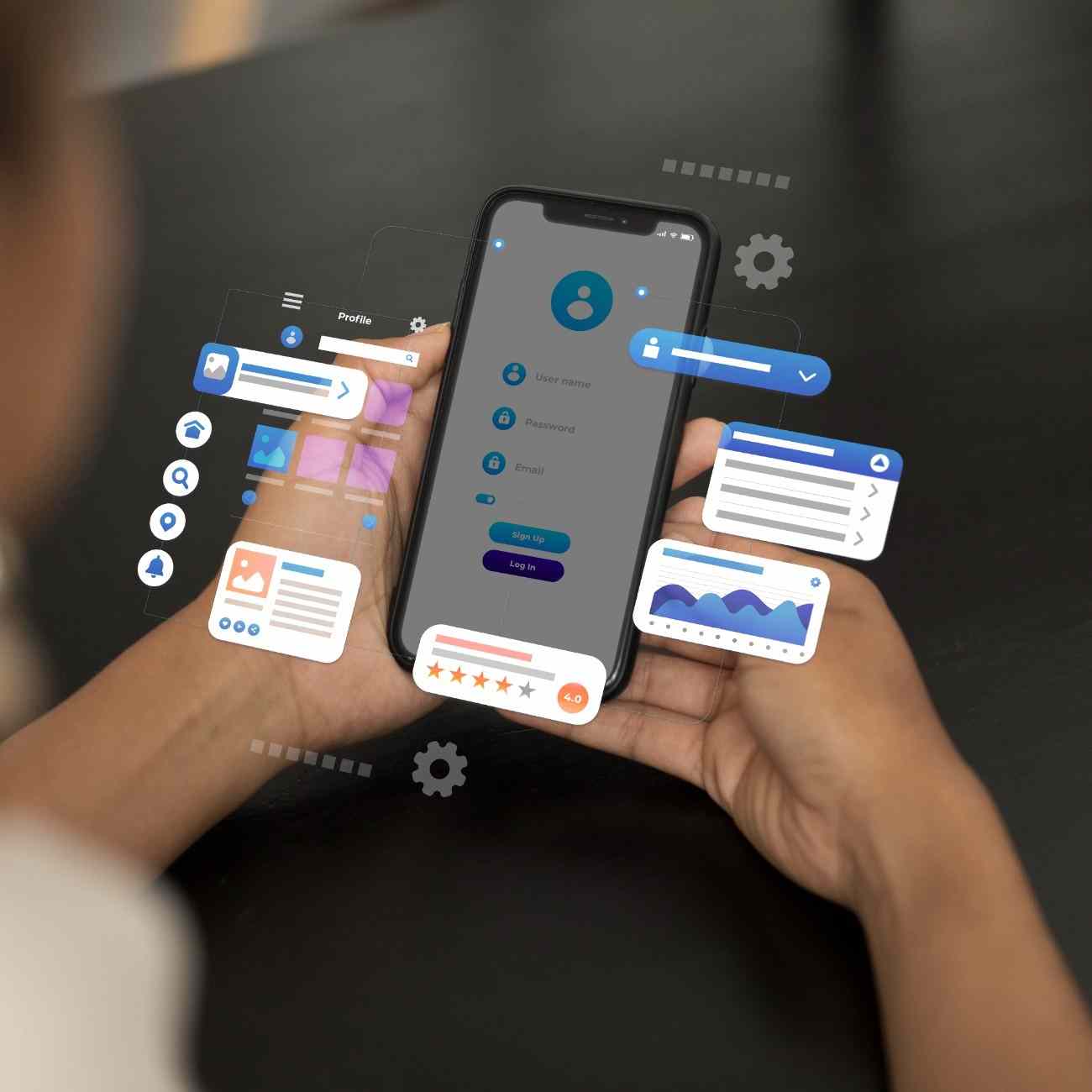
Mobile applications have become an essential part of how businesses connect with customers, deliver services, and expand their digital presence. Apple's iOS ecosystem offers businesses an opportunity to reach users through iPhones, iPads, and other Apple devices with well-designed, feature-rich mobile applications.
However, building a successful iOS application requires more than writing code. Businesses need thoughtful UI/UX design, reliable performance, data security, API integration, testing, and ongoing maintenance.
Working with a professional iOS Development Company helps businesses turn their app ideas into functional, scalable, and user-friendly mobile applications.
What Is iOS App Development?
iOS app development is the process of designing, building, testing, and maintaining applications for Apple's mobile ecosystem. Depending on the project, applications may be developed for iPhone, iPad, Apple Watch, or other supported Apple platforms.
Developers use technologies such as Swift, SwiftUI, and UIKit to build applications that work within Apple's ecosystem. They can also integrate APIs, databases, payment systems, cloud services, and third-party tools to support specific business requirements.
From customer-facing applications to enterprise mobility solutions, iOS development can support a wide range of digital products.
What Does an iOS Development Company Do?
An iOS Development Company helps businesses plan, design, develop, launch, and maintain applications for Apple devices.
Depending on the project, its responsibilities may include:
iOS app consulting and planning
Custom iOS app development
iPhone app development
iPad app development
UI/UX design
Native application development
API and backend integration
Third-party service integration
App testing and quality assurance
App Store submission assistance
Application maintenance and upgrades
A professional development team considers the business objective, target audience, technical requirements, and long-term product roadmap before choosing the right development approach.
iOS Development Services
Professional iOS Development Services cover the different stages of creating and maintaining an Apple application.
1. Custom iOS App Development
Custom iOS app development focuses on creating applications tailored to a company's specific requirements.
Rather than relying entirely on a ready-made solution, developers build features, workflows, and integrations around the intended users and business model.
Custom applications can support customer engagement, service delivery, internal operations, digital commerce, and other business activities.
2. iPhone App Development
iPhone applications allow businesses to provide products and services directly through Apple's mobile ecosystem.
Common iPhone app features include user registration, push notifications, secure payments, location-based functionality, in-app messaging, and personalized user experiences.
The design and functionality should be optimized for the intended audience and the range of supported devices.
3. iPad App Development
iPad applications are useful for businesses that need larger-screen interfaces, more detailed dashboards, or specialized workflows.
Common applications include business dashboards, education platforms, healthcare tools, retail applications, inventory management systems, and enterprise productivity solutions.
Developers can design iPad-specific interfaces that make effective use of the available screen space.
4. Native iOS App Development
Native development uses platform-specific technologies to build applications for Apple's ecosystem.
Swift is Apple's modern programming language for application development, while SwiftUI and UIKit provide frameworks for building user interfaces.
Native iOS development can be a suitable choice when an application requires platform-specific features, detailed interface customization, or close integration with Apple technologies.
5. iOS UI/UX Design
An application's design influences how easily users can understand and navigate it.
iOS UI/UX design services may include:
User research
Wireframing
Interface design
Interactive prototypes
Navigation planning
Accessibility considerations
Usability testing
A well-designed interface should make important actions easy to find while providing a consistent experience across supported devices.
6. iOS App Backend Development
Many mobile applications depend on backend systems to manage user accounts, application data, transactions, notifications, and business logic.
Backend development may include APIs, databases, authentication, cloud infrastructure, administrative dashboards, and server-side processing.
A reliable backend helps the application communicate with other systems and support future growth.
7. API and Third-Party Integration
Businesses often need their iOS applications to connect with existing platforms and external services.
Integration services may include:
Payment gateways
CRM platforms
Cloud services
Maps and location services
Analytics tools
Authentication providers
Messaging systems
Enterprise software
The integration approach depends on the application's requirements, data flows, and security needs.
8. AI-Powered iOS App Development
Artificial intelligence can add intelligent functionality to mobile applications.
Depending on the use case, AI-powered iOS apps may include conversational assistants, personalized recommendations, image recognition, document processing, voice-based features, and predictive analytics.
The right approach depends on whether AI should run directly on the device, through a backend service, or through an external API.
9. iOS App Testing and Quality Assurance
Testing helps identify problems before an application reaches users.
An iOS testing process can cover:
Functional testing
Interface and usability testing
Device compatibility
Performance testing
Security testing
Network behavior
Regression testing
Accessibility testing
Testing across relevant devices and operating system versions helps improve application reliability.
10. iOS App Maintenance and Support
Applications need ongoing updates as business requirements, security expectations, operating systems, and third-party integrations change.
Maintenance services may include bug fixes, compatibility updates, performance improvements, security updates, feature enhancements, and technical monitoring.
Ongoing support helps keep an application reliable after launch.
Technologies Used in iOS Development
The technology stack depends on the type and complexity of the application.
Common technologies include:
Swift: A modern programming language for Apple platforms.
SwiftUI: A framework for building user interfaces across Apple platforms.
UIKit: A framework for creating and managing application interfaces.
Xcode: Apple's development environment for building, testing, and debugging apps.
Core A framework for managing application data.
CloudKit: Apple's framework for storing and synchronizing data through iCloud.
REST APIs: Commonly used to connect applications with backend services.
Firebase: A platform that provides services such as analytics, messaging, and backend functionality.
Cloud platforms: Infrastructure for hosting backend services, databases, and application APIs.
The best technology choices depend on performance requirements, development budget, existing systems, and future maintenance needs.
Benefits of iOS App Development for Businesses
Access to Apple's Ecosystem
An iOS application gives businesses a dedicated way to reach customers using supported Apple devices.
Consistent User Experience
Apple provides established design guidelines and platform frameworks that can help developers create familiar application experiences.
Security-Focused Development
iOS offers platform security capabilities such as application sandboxing, permission controls, and secure storage options. Developers must implement these features correctly to protect application data.
Customer Engagement
Push notifications, personalized features, and account-based services can help businesses communicate with users when implemented thoughtfully.
Business Process Automation
Custom iOS apps can simplify workflows such as order management, appointment booking, field operations, inventory tracking, and customer service.
Integration With Digital Services
Mobile apps can connect with payment systems, cloud platforms, analytics tools, and enterprise applications to create a more connected digital experience.
Industries That Benefit From iOS Development Services
iOS applications can support businesses across many industries.
Healthcare: Appointment booking, patient communication, health tracking, and healthcare administration.
E-commerce: Product browsing, online shopping, order tracking, and customer loyalty.
Education: Online learning, educational resources, virtual classrooms, and student management.
Finance: Account dashboards, payment functionality, transaction tracking, and financial management tools.
Travel and hospitality: Reservations, digital check-ins, travel information, and booking management.
Real estate: Property listings, appointment scheduling, property searches, and customer communication.
Logistics: Delivery tracking, field operations, inventory management, and route-related workflows.
Enterprise: Employee applications, internal dashboards, reporting, and workflow automation.
iOS App Development Process
A structured development process helps reduce uncertainty and keeps the project aligned with its objectives.
Step 1: Requirement Analysis
The team defines the target users, application features, business goals, technical requirements, and project scope.
Step 2: Planning and Architecture
Developers select the application architecture, technology stack, backend requirements, integrations, and data management approach.
Step 3: UI/UX Design
Designers create wireframes, interface layouts, and prototypes to establish the application's user experience.
Step 4: Application Development
Developers implement the user interface, business logic, backend connections, and required integrations.
Step 5: Testing and Quality Assurance
The application is tested for functionality, usability, security, compatibility, and performance.
Step 6: App Store Preparation
The team prepares the application listing, metadata, screenshots, privacy information, and other required submission materials.
Step 7: Deployment
The application is submitted for Apple's review and released according to the chosen distribution approach, subject to Apple's requirements and approval.
Step 8: Maintenance and Improvements
After launch, the application can be updated based on user feedback, analytics, technical changes, and new business requirements.
How Much Does iOS App Development Cost?
The cost of iOS app development varies according to the scope and complexity of the project.
A basic application with limited features generally requires less effort than a complex platform with real-time functionality, multiple integrations, advanced security, and a custom backend.
Key cost factors include:
Number and complexity of features
UI/UX design requirements
Backend and database development
Third-party integrations
AI or other advanced functionality
Security and compliance requirements
Testing and quality assurance
App Store preparation
Maintenance and future enhancements
Businesses should define their essential features and request a project-specific estimate before development begins.
How to Choose the Right iOS Development Company
Selecting the right development partner can affect application quality, delivery time, and long-term maintenance.
Review Technical Expertise
Look for experience with Swift, SwiftUI, UIKit, backend systems, APIs, and relevant Apple development tools.
Examine Previous Projects
Review portfolios and case studies to understand the company's experience with applications similar to yours.
Understand the Development Process
Ask how the company handles requirements, design, development, testing, release, and post-launch support.
Evaluate Communication
Clear communication helps stakeholders track progress, resolve issues, and manage changing requirements.
Discuss Security and Testing
Understand how the team handles authentication, sensitive data, secure storage, testing, and vulnerability management.
Confirm Ongoing Support
Choose a partner that can help maintain and improve the application after launch.
Why Choose Infograins for iOS App Development?
Infograins provides software development services for businesses building digital products and applications.
iOS projects may require a combination of mobile development, backend engineering, API integration, cloud infrastructure, UI/UX design, and quality assurance. Planning these components together can help create an application that is easier to maintain and expand.
Infograins works across modern software technologies and can help businesses assess their requirements, plan application functionality, and develop solutions aligned with their technical and business objectives.
Future of iOS App Development
iOS development continues to evolve alongside advancements in mobile hardware, operating systems, artificial intelligence, and connected digital services.
Some important areas include:
AI-powered mobile applications
On-device machine learning
Personalized user experiences
Voice-enabled functionality
Augmented reality applications
Wearable app integration
Privacy-focused application design
Enterprise mobility
Cloud-connected applications
Businesses that invest in thoughtful design, reliable architecture, security, and ongoing improvements can build applications that adapt to changing customer expectations.
FAQs About iOS Development
What is an iOS Development Company?
An iOS Development Company designs, develops, tests, launches, and maintains applications for Apple's supported platforms, including iPhone and iPad.
What are iOS Development Services?
iOS Development Services include custom iPhone and iPad app development, native development, UI/UX design, backend integration, testing, App Store submission assistance, and ongoing maintenance.
Which programming language is used for iOS app development?
Swift is Apple's modern programming language for iOS development. Developers may also use Objective-C in existing projects or where legacy requirements apply.
How long does it take to develop an iOS app?
The timeline depends on the number of features, application complexity, design requirements, integrations, testing, and backend development. A smaller app may take weeks, while a complex application may require several months.
Can an iOS app connect with an existing business system?
Yes. An iOS app can integrate with compatible APIs, databases, CRM platforms, payment systems, cloud services, and other business applications.
Does an iOS app need ongoing maintenance?
Yes. Maintenance may be needed for bug fixes, security updates, operating system compatibility, performance improvements, and new features.
Conclusion
iOS app development helps businesses create dedicated digital experiences for Apple's mobile ecosystem. From custom iPhone applications and enterprise tools to AI-powered products and connected business platforms, the right development approach depends on the needs of the users and the objectives of the business.
Working with an experienced iOS Development Company can help businesses plan, build, test, and maintain reliable mobile applications. By choosing suitable iOS Development Services, companies can create solutions that support customer engagement, operational efficiency, and long-term digital growth.