Korean Glass Skin Treatment Safety: Risks, Benefits, and a Practical Safety Checklist
-

- April 30th, 2026
- 474 views

Get a free topical map and start building content authority today.
Korean glass skin treatment safety is a common question for anyone considering layered K‑beauty routines, professional facials, or in‑office procedures that promise a translucent, even complexion. The term "glass skin" describes smooth, hydrated, low‑texture skin rather than a single medical procedure, so safety depends on the specific treatments and active ingredients used.
Detected intent: Informational
Korean glass skin treatment safety: what to know
What "glass skin" actually means
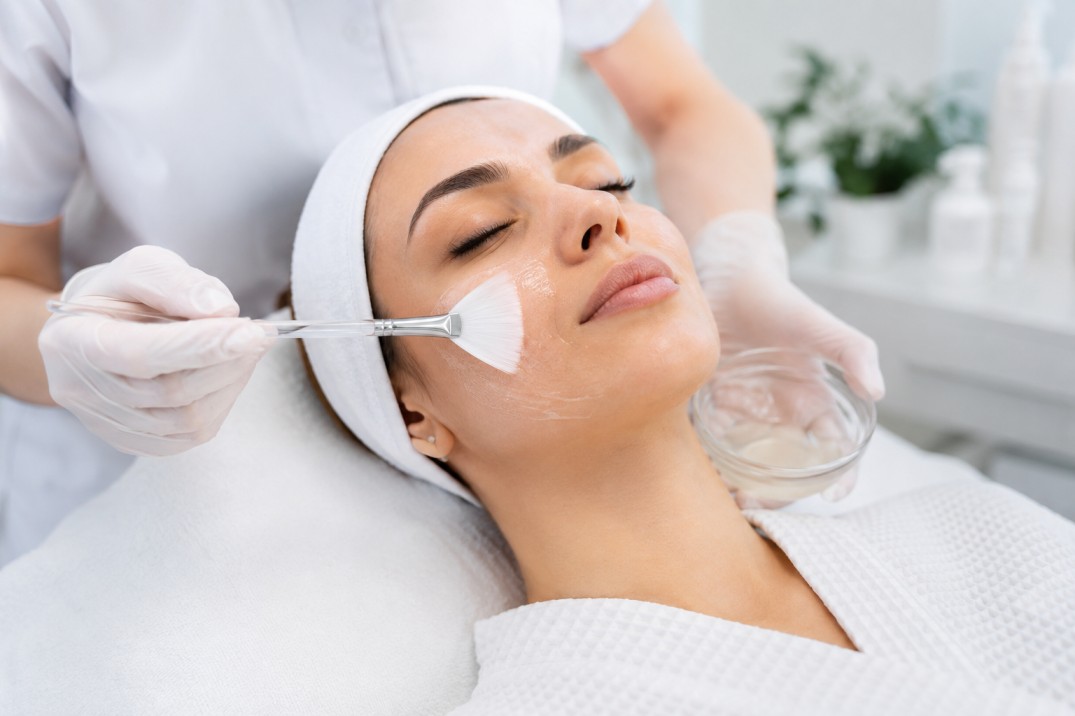
Glass skin refers to clear, even, well‑hydrated skin with minimal visible pores and a smooth surface. It is usually achieved through a multi‑step skincare routine: cleansing, chemical or physical exfoliation, hydrating serums (hyaluronic acid), occlusive moisturizers, and consistent sunscreen. Treatments marketed as "glass skin facials" or "glass skin treatments" often combine professional exfoliation, serums, and masking to accelerate results.
Which parts are safe and which carry risk
- Low‑risk elements: gentle cleansers, moisturizers, humectants (hyaluronic acid), and sunscreen. These are safe for most skin types when used as directed.
- Moderate‑risk elements: at‑home chemical exfoliants (AHAs/BHAs) and over‑the‑counter retinoids. Risk increases with high concentrations, daily use without acclimation, or mixing incompatible actives.
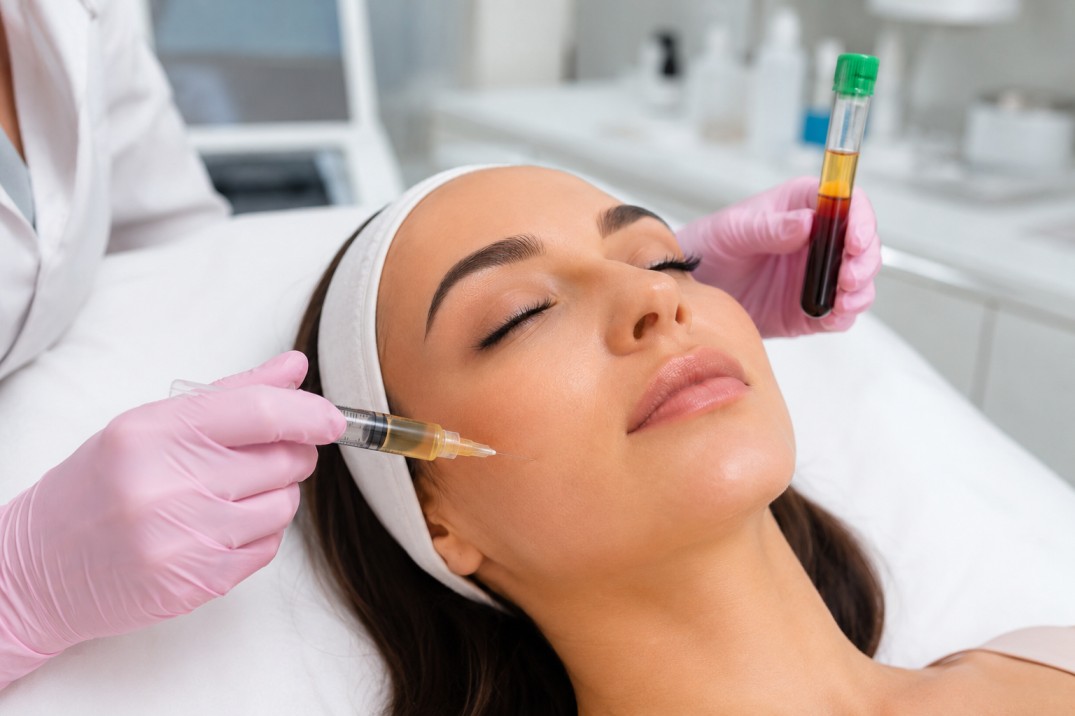
- Higher‑risk elements: in‑office chemical peels, lasers, microneedling, and aggressive extractions. These can produce significant improvement but also carry risks of burns, scarring, post‑inflammatory hyperpigmentation (PIH), and infection if improperly performed.
Evidence and professional guidance
Scientific literature supports the safety and efficacy of many ingredients commonly used to achieve glass skin—retinoids for texture, AHAs/BHAs for exfoliation, and hyaluronic acid for hydration—when used correctly. For procedural interventions, outcomes depend on provider skill, device settings, and patient selection. For reliable medical advice and pre‑procedure evaluation, consult a dermatology or cosmetic practice; for basic guidance, see the American Academy of Dermatology for general procedural safety and sunscreen recommendations: American Academy of Dermatology.
GLASS Safety Checklist (named framework)
The GLASS Safety Checklist is a concise framework to evaluate any glass skin plan before starting.
- Gentle start: Introduce one new product or active every 2–4 weeks.
- Layering order: Cleanse → exf/actives → hydrator → occlusive → SPF (AM).
- Avoid mixing strong actives: Don’t use high‑strength retinoids and strong AHAs/BHAs the same night.
- Sunscreen daily: Broad‑spectrum SPF 30+ and reapplication after exposure.
- Seek professional advice: For peels, lasers, or microneedling, consult a board‑certified dermatologist or licensed medical esthetician.
Real‑world scenario
Example: A 28‑year‑old with combination skin tried to speed results by using a 10% glycolic acid toner nightly plus a retinol serum. Within two weeks, irritation and redness developed. Following the GLASS checklist—stop the exfoliant, introduce retinol every third night, add a gentle moisturizer and sunscreen—reduced irritation in a month and preserved progress without scarring.
Common risks, trade‑offs, and mistakes
Common mistakes
- Over‑exfoliation: using chemical exfoliants too frequently or combining them with physical scrubs leads to barrier breakdown and sensitivity.
- Ignoring sun protection: exfoliation and retinoids increase UV sensitivity—lack of SPF raises PIH risk.
- Stacking potent actives without guidance: simultaneous high‑strength acids and retinoids cause irritation and setbacks.
- Choosing aggressive in‑office procedures without proper assessment: dark skin tones have higher risk of post‑procedure hyperpigmentation from peels and lasers.
Trade‑offs to consider
Faster results often require higher‑risk steps. For example, an in‑office peel can speed texture improvement but increases downtime and PIH risk, especially without preconditioning and professional technique. The safer alternative is a slower home routine that focuses on barrier repair and sun protection; results take longer but carry less risk. Decide based on priorities: rapid improvement vs minimal risk and downtime.
Practical tips to reduce risk
- Patch test each new product on the inner forearm for 48–72 hours before applying to the face.
- Introduce one active at a time and allow 2–4 weeks to monitor for irritation.
- Use sunscreen daily and reapply every two hours when outdoors; this prevents long‑term pigment changes from exfoliation.
- Choose licensed, credentialed providers for peels, microneedling, or lasers and confirm device calibration and infection control.
- For darker skin tones, request lower‑strength peels and longer intervals between procedures to minimize PIH risk.
Core cluster questions
- How do exfoliation frequency and concentration affect safety for layered routines?
- Which professional treatments best complement a hydrating, glass skin regimen?
- What sun protection practices are required when using retinoids and chemical exfoliants?
- How to choose actives safely for acne‑prone versus sensitive skin?
- When should a board‑certified dermatologist be consulted before aesthetic procedures?
Conclusion
"Is Korean glass skin treatment safe?" The answer depends on the definition. Basic glass skin routines—consistent hydration, gentle exfoliation, and sunscreen—are low risk when introduced correctly. Safety concerns arise with high‑strength actives and in‑office procedures. Using the GLASS Safety Checklist, patch testing, sun protection, and professional consultation when needed will reduce risk and improve outcomes.
FAQ
Is Korean glass skin treatment safety proven?
There is no single standardized "glass skin treatment" to test; instead, safety is proven for individual components (retinoids, AHAs/BHAs, hyaluronic acid) when used appropriately. Procedural safety varies by provider skill and patient factors. Consulting a dermatologist before aggressive procedures is the safest route.
Can chemical peels be part of a glass skin plan?
Yes—superficial chemical peels can help smooth texture and boost radiance. Choose conservative formulations and spacing between sessions. Preconditioning the skin and strict post‑procedure sun protection reduce complications.
Are certain skin types at higher risk for complications?
Yes. Sensitized or barrier‑compromised skin can react to multiple actives; darker phototypes have greater risk of post‑inflammatory hyperpigmentation after peels or lasers. Tailor treatments to skin type and consider a professional assessment before higher‑risk procedures.
How long does it take to see results safely?
Non‑procedural routines typically show improved hydration and texture within 4–12 weeks. Procedural approaches may yield faster visible change but carry more downtime and risk. Slow, consistent care with sun protection offers reliable, low‑risk improvement over time.
When should a dermatologist be consulted?
Consult a board‑certified dermatologist before undergoing chemical peels, laser therapy, microneedling, or if experiencing persistent irritation, broken skin, or unexpected pigment changes. A medical professional can assess contraindications, recommend safer alternatives, and supervise pre‑ and post‑procedure care.