ISO 27001 Certification Cost: A Complete Guide for Businesses
-
- Published Updated
- 47 views
Explore the Factors Influencing ISO 27001 Certification Costs, Budget Planning, Implementation Expenses, and the Certification Process
Introduction to ISO 27001 Certification Cost
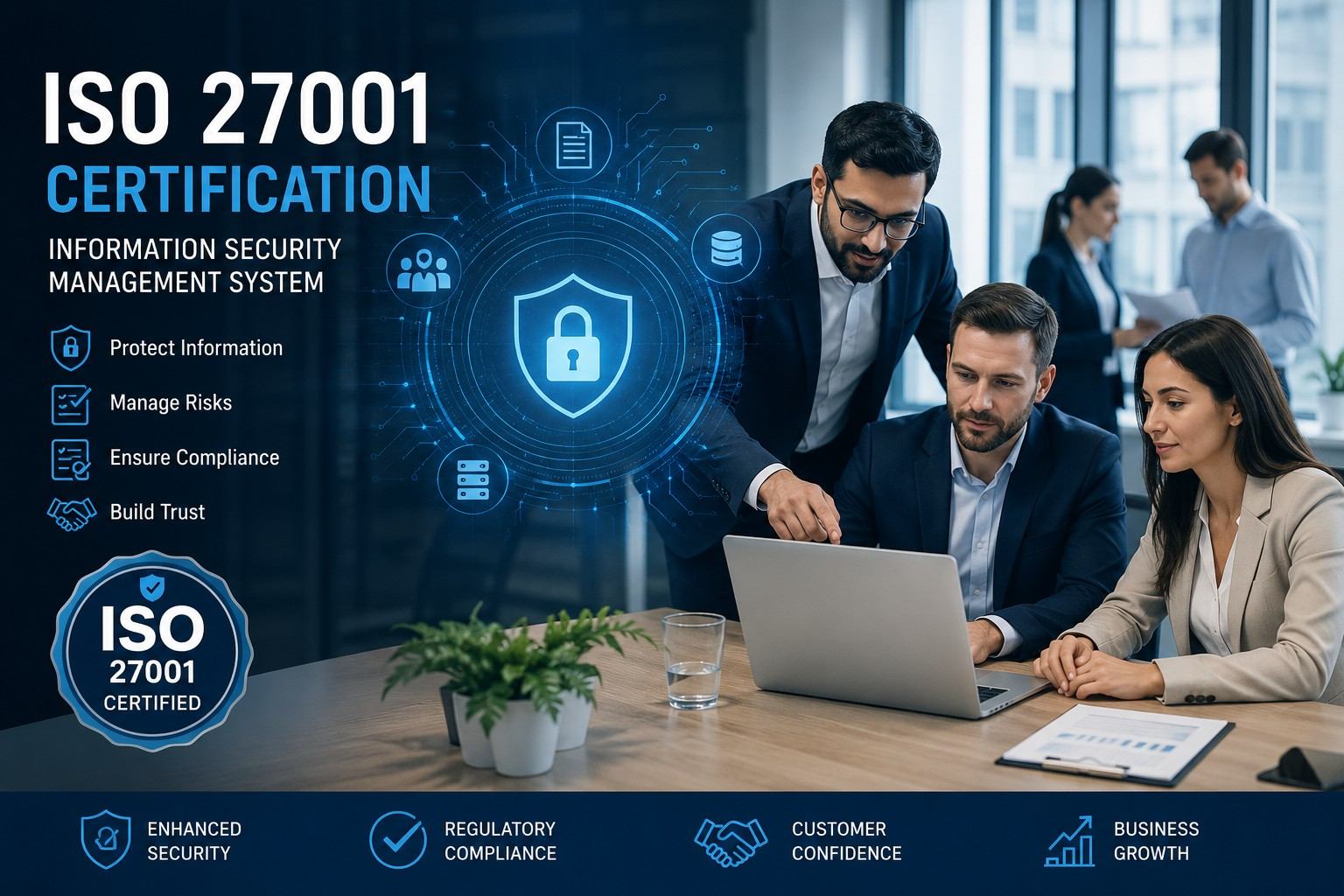
Information security has become a major priority for organizations that handle confidential business information, customer records, financial data, and digital assets. ISO 27001 certification helps businesses establish an Information Security Management System (ISMS) to identify security risks, protect sensitive information, and improve their information security practices.
One of the most common questions organizations ask before starting the certification process is how much ISO 27001 certification costs. The total expense depends on several factors, including company size, business complexity, existing security controls, employee training, and audit requirements. Understanding these cost factors helps organizations prepare a suitable budget and plan their certification journey more effectively.
What Is ISO 27001 Certification?
ISO 27001 is an international standard for establishing, implementing, maintaining, and continually improving an Information Security Management System. It provides a structured framework for managing information security risks and protecting the confidentiality, integrity, and availability of information.
ISO 27001 certification involves an independent assessment of an organization's ISMS against the applicable standard requirements. Businesses can use the framework to improve security policies, manage access to information, strengthen risk management, and establish clear responsibilities for protecting business data.
Organizations across industries, including IT, healthcare, finance, manufacturing, telecommunications, and professional services, may consider certification to demonstrate their commitment to information security.
Factors That Affect ISO 27001 Certification Cost
The overall certification cost varies from one organization to another. Several important factors influence the final budget.
1. Organization Size and Certification Scope
The size of an organization directly affects implementation and audit requirements. Larger businesses with multiple departments, offices, employees, and IT systems may require more time and resources than smaller organizations.
The certification scope also matters. A business seeking certification for a specific department may have different requirements from an organization covering its entire operations.
2. Existing Information Security Controls
Organizations that already maintain security policies, risk assessments, access controls, backup procedures, and incident management processes may require fewer improvements.
Businesses with limited security documentation or outdated controls may need additional investment to meet ISO 27001 requirements.
3. Consultancy and Implementation Expenses
Some organizations work with consultants to conduct gap assessments, develop documentation, evaluate risks, and prepare for certification audits. Consultancy fees depend on project duration, business complexity, and the level of support required.
Organizations with experienced internal teams may manage some implementation activities themselves, potentially reducing external consultancy expenses.
4. Employee Training and Awareness
Employee awareness is an important part of an effective information security management system. Businesses may invest in ISO 27001 awareness sessions, internal auditor training, and specialized information security training.
The overall training cost depends on the number of participants, course format, and training provider.
5. Certification Audit Fees
Certification bodies charge fees for assessing an organization's ISMS. The initial certification process generally includes Stage 1 and Stage 2 audits. Audit duration and cost depend on the certification scope, organizational complexity, and applicable audit requirements.
Organizations should also account for surveillance audits and future recertification when preparing their budgets.
Main Expenses to Include in Your Budget
When calculating ISO 27001 certification cost, businesses should consider the following expenses:
Gap analysis: Identifying differences between existing security practices and standard requirements.
Documentation: Developing policies, procedures, risk assessments, and supporting records.
Security improvements: Implementing necessary technical and organizational controls.
Training: Educating employees, managers, and internal auditors.
Internal audits: Checking whether the ISMS is implemented effectively.
Certification audits: Paying the certification body's assessment fees.
Ongoing maintenance: Monitoring performance, correcting issues, and preparing for surveillance audits.
Considering these expenses together provides a more realistic estimate than looking at certification audit fees alone.
How to Manage ISO 27001 Certification Costs
Organizations can manage certification expenses through careful planning. First, define the certification scope clearly and conduct a gap analysis to understand the improvements required. Next, assign responsibilities to internal teams and prioritize security controls based on identified risks.
Businesses should compare quotations from suitable certification bodies and clarify what each quotation includes. It is also helpful to review training options, establish a realistic implementation schedule, and maintain documentation throughout the process.
Avoid selecting a certification provider based only on the lowest price. Organizations should consider accreditation, audit competence, service scope, and applicable certification requirements.
Conclusion
ISO 27001 certification cost depends on organizational size, certification scope, existing security measures, training requirements, consultancy support, and audit expenses. By identifying these factors early, businesses can create a realistic budget and reduce unexpected costs. A structured implementation plan, effective employee awareness, and regular internal audits can help organizations establish and maintain an effective Information Security Management System while supporting long-term information security objectives.