Do I Need a Consultant for ISO 9001 Certification in Saudi Arabia?
-

- Published Updated
- 6,365 views
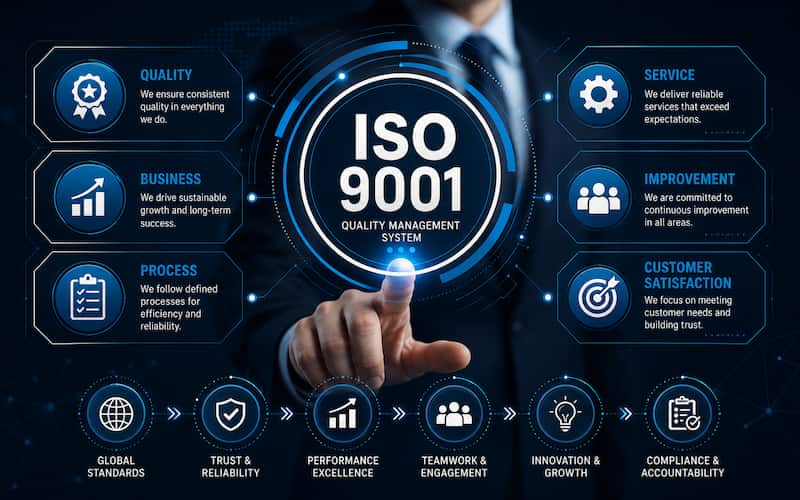
For organizations aiming to improve quality management, enhance customer satisfaction, and strengthen market credibility, iso 9001 certification in saudi arabia has become an important business objective. As Saudi Arabia continues to diversify its economy and encourage international standards across industries, more companies are pursuing ISO 9001 to demonstrate their commitment to quality and operational excellence.
A common question business owners and managers ask is: need a consultant for ISO 9001 certification? While it is possible to achieve certification independently, many organizations choose professional guidance to simplify the process, reduce errors, and improve the chances of success. Understanding the role of a consultant can help you determine whether external support is the right choice for your organization.
Understanding ISO 9001 Certification
ISO 9001 is an internationally recognized standard for Quality Management Systems (QMS). It provides a structured framework that helps organizations consistently deliver products and services that meet customer and regulatory requirements.
The standard focuses on key principles such as:
- Customer satisfaction
- Leadership commitment
- Process-based management
- Continuous improvement
- Evidence-based decision-making
- Risk management
Organizations across manufacturing, construction, healthcare, logistics, education, and service industries use ISO 9001 to improve efficiency and build trust with stakeholders.
Can a Company Achieve Certification Without a Consultant?
Yes, organizations can pursue certification without hiring an external advisor. ISO 9001 requirements are publicly available, and businesses can develop their quality management systems internally.
However, successful implementation requires:
- Strong understanding of ISO 9001 requirements
- Time and resources for planning
- Documentation expertise
- Internal auditing capabilities
- Management commitment
For companies with experienced quality professionals, handling certification internally may be practical. However, many organizations find the process more challenging than expected, especially when they are implementing a formal quality management system for the first time.
What Does an ISO 9001 Consultant Do?
An ISO consultant provides expert guidance throughout the certification journey. Their role is not to obtain certification on behalf of the company but to help build a compliant and effective management system.
Initial Gap Analysis
Consultants begin by assessing the organization's current practices and comparing them with ISO 9001 requirements.
This helps identify:
- Existing strengths
- Areas requiring improvement
- Documentation gaps
- Process weaknesses
Quality Management System Development
A consultant helps create or improve policies, procedures, and operational controls that align with the standard.
This may include:
- Quality manuals
- Process maps
- Risk assessments
- Work instructions
- Performance monitoring systems
Employee Training
Certification success depends heavily on employee awareness and involvement.
Professional guidance often includes:
- Management training
- Staff awareness programs
- Internal auditor training
- Process ownership education
Internal Audits and Readiness Assessments
Before the certification audit, consultants typically conduct internal reviews to identify potential nonconformities and ensure the organization is prepared.
Benefits of Working with an ISO Consultant
While hiring a consultant is not mandatory, it offers several advantages that can make the certification process smoother and more efficient.
Faster Implementation
Experienced professionals understand the requirements and common challenges. Their expertise can significantly reduce the time required to establish a compliant management system.
Reduced Risk of Errors
Misinterpreting requirements can lead to delays, corrective actions, and failed audits. Consultants help ensure that processes and documentation meet certification expectations.
Better Resource Utilization
Internal teams often have daily operational responsibilities. External support allows employees to remain focused on business activities while the implementation progresses efficiently.
Practical Industry Experience
Many consultants have worked with organizations across multiple sectors. This experience helps them recommend practical solutions rather than overly complex systems.
Improved Long-Term Performance
A well-designed quality management system does more than achieve certification. It creates a foundation for continuous improvement, operational consistency, and business growth.
Situations Where Hiring a Consultant Makes Sense
Not every organization requires external support. However, certain circumstances increase the value of professional guidance.
First-Time Certification
Organizations pursuing ISO 9001 for the first time often benefit from expert direction because they may be unfamiliar with the standard's requirements and terminology.
Limited Internal Expertise
If there is no dedicated quality manager or ISO specialist within the organization, a consultant can provide essential knowledge and leadership.
Tight Project Deadlines
Some companies require certification quickly to meet customer demands, tender requirements, or contractual obligations. Professional assistance can accelerate implementation.
Complex Business Operations
Large organizations with multiple departments, locations, or complex processes often need specialized expertise to ensure consistent implementation.
Regulatory and Customer Requirements
Industries with strict compliance obligations may benefit from expert interpretation of quality management requirements and integration with existing controls.
Potential Drawbacks of Hiring a Consultant
Although consultants provide significant value, organizations should also consider potential disadvantages.
Additional Cost
Consulting fees represent an investment that may be challenging for small businesses with limited budgets.
Dependence on External Support
Some organizations rely too heavily on consultants rather than building internal knowledge and ownership.
Quality Differences Between Providers
Not all consultants offer the same level of expertise. Choosing an inexperienced provider can lead to ineffective implementation and unnecessary complications.
The key is selecting a consultant who focuses on knowledge transfer and long-term organizational improvement rather than simply creating documents for certification.
How to Choose the Right ISO Consultant in Saudi Arabia
Selecting the right partner is critical for a successful certification journey.
Evaluate Experience
Look for consultants with proven experience implementing quality management systems across industries similar to yours.
Consider:
- Years of experience
- Number of successful projects
- Industry specialization
- Client references
Verify Qualifications
Qualified consultants often possess:
- ISO 9001 lead auditor credentials
- Quality management certifications
- Industry-specific expertise
- Relevant professional training
Assess Their Approach
A good consultant should:
- Understand your business objectives
- Customize solutions
- Involve employees
- Focus on practical implementation
- Support continual improvement
Request Clear Project Scope
Before signing an agreement, ensure the proposal clearly outlines:
- Deliverables
- Timeline
- Training activities
- Internal audit support
- Responsibilities of both parties
Prioritize Knowledge Transfer
The best consultants empower your team to manage the quality system independently after certification.
Typical ISO 9001 Certification Process
Whether working with a consultant or managing implementation internally, the certification process generally follows these steps:
- Understand ISO 9001 requirements
- Conduct a gap assessment
- Develop and implement the quality management system
- Train employees
- Monitor and measure performance
- Conduct internal audits
- Complete management review
- Address identified issues
- Undergo certification audit
- Receive certification and maintain compliance
Organizations that approach certification as a business improvement initiative rather than a paperwork exercise typically achieve the best results.
Is Hiring a Consultant Worth the Investment?
The answer depends on your organization's resources, expertise, and goals.
A consultant may be worthwhile if:
- You want faster implementation
- Internal expertise is limited
- Certification is required within a specific timeframe
- The organization has complex operations
- You want to minimize audit risks
On the other hand, companies with experienced quality professionals and sufficient resources may successfully manage the process internally.
The most important consideration is ensuring that the resulting quality management system genuinely improves business performance rather than simply achieving certification.
Frequently Asked Questions
1. Is an ISO consultant mandatory for certification?
No. ISO 9001 certification does not require hiring a consultant. Organizations can implement the standard independently if they have the necessary expertise and resources.
2. How long does ISO 9001 certification take in Saudi Arabia?
The timeline varies depending on company size, complexity, and readiness. Many organizations complete implementation and certification within three to six months, while larger businesses may require more time.
3. What is the biggest advantage of using a consultant?
The primary benefit is expert guidance that helps reduce mistakes, improve efficiency, and streamline the certification process.
4. Can small businesses benefit from ISO 9001?
Yes. Small businesses often gain improved operational control, customer confidence, and competitive advantages through a properly implemented quality management system.
5. How do I know if a consultant is qualified?
Review their certifications, industry experience, client references, and track record of successful ISO implementation projects.
Conclusion
Many organizations pursuing iso 9001 certification in saudi arabia wonder whether they truly need a consultant for ISO 9001 certification. While certification can be achieved without external assistance, professional guidance often provides valuable expertise, reduces implementation risks, and accelerates the process. The right consultant can help build a practical, effective quality management system that delivers lasting business benefits beyond certification itself. Ultimately, the decision should be based on your organization's internal capabilities, available resources, and strategic objectives.