How to Make Kadak Chai at Home: Tips for a Strong, Flavourful Cup
-

- Published Updated
- 61 views
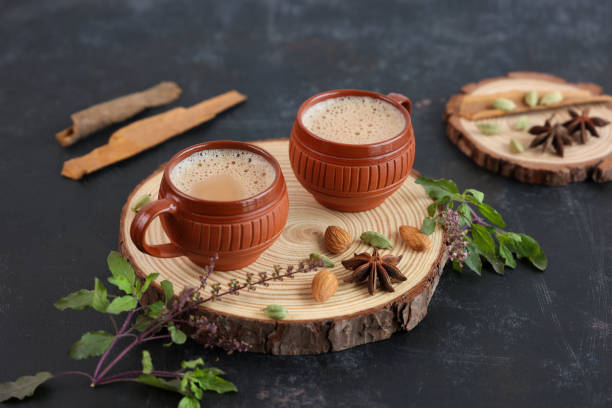
For many Indians, the day doesn't truly begin without a steaming cup of kadak chai. Its rich colour, bold aroma, and comforting taste make it a favourite during busy mornings, afternoon breaks, and relaxed evenings.
But what makes a cup of chai truly kadak? Is it the tea leaves, the spices, the milk, or simply how long you boil it?
The secret lies in balancing the ingredients and following the right brewing method. With a few simple techniques, you can prepare strong, flavourful Indian chai right in your kitchen.
1. Choose the Right Tea Leaves
The foundation of a good kadak chai is quality tea. A strong black tea, particularly Assam tea, is a popular choice because of its robust flavour and malty character.
When choosing tea, consider:
- Strength: Select tea that produces a bold, full-bodied brew.
- Freshness: Store tea properly to preserve its aroma and flavour.
- Consistency: Use a reliable quantity each time for a familiar taste.
Premium Assam tea works particularly well for traditional milk chai, as its strong character can complement the richness of milk and the warmth of spices.
2. Use the Right Tea-to-Water Ratio
The amount of tea you use has a direct impact on the strength of your chai. Too little tea can produce a weak brew, while too much may make it excessively bitter or astringent.
For two cups, start with:
- 1½ to 2 teaspoons of loose Assam tea
- 1 cup of water
- 1 cup of milk
- Sugar according to taste
Adjust the quantities depending on how strong or milky you prefer your chai. Experimenting with small changes can help you find your ideal balance.
3. Add Spices for Traditional Masala Chai
Spices bring warmth, fragrance, and complexity to a traditional cup of Indian chai. Common choices include:
- Cardamom: Adds a sweet, floral aroma.
- Ginger: Provides a sharp, warming flavour.
- Cinnamon: Brings gentle sweetness and warmth.
- Cloves: Add a distinctive, intense spice note.
- Black pepper: Gives the blend a little extra heat.
You don't need to use every spice in one preparation. Start with crushed ginger and cardamom, then experiment with other ingredients according to your preference.
For a balanced cup, avoid adding too many strong spices at once, as they can overpower the tea's natural flavour.
4. Follow the Right Brewing Method
The order in which you add your ingredients can influence the taste and strength of your chai.
Step-by-step preparation:
- Pour one cup of water into a saucepan and bring it to a boil.
- Add crushed ginger and cardamom, if using.
- Allow the spices to simmer briefly so their aroma infuses into the water.
- Add the loose tea leaves and simmer for around two minutes.
- Pour in one cup of milk and add sugar to taste.
- Bring the mixture to a gentle boil, then simmer briefly until it reaches your preferred colour and strength.
- Strain into cups and serve hot.
Keep an eye on the saucepan to prevent the milk from boiling over. Adjust the brewing time to suit your preferred strength.
5. Don't Overboil Your Chai
Many people believe that boiling tea for a long time automatically makes it stronger. However, excessive boiling can extract more bitter and astringent compounds, affecting the overall taste.
For a rich cup, use a suitable quantity of tea and allow it to brew sufficiently rather than relying only on prolonged boiling.
If your chai tastes too bitter, try reducing the brewing time or slightly lowering the amount of tea leaves.
6. Get the Milk and Tea Balance Right
Milk gives Indian chai its creamy texture and softens the intensity of strong black tea. The ideal ratio depends on personal taste.
For a stronger, darker cup, use slightly less milk or increase the tea-to-water ratio carefully. For a smoother, creamier chai, add more milk.
Full-fat milk can create a richer texture, while toned milk produces a lighter cup. You can also experiment with plant-based alternatives, keeping in mind that their flavour and texture may differ.
7. Adjust the Sweetness to Your Taste
Sugar is common in many Indian chai preparations, but the amount is entirely personal.
Start with a small quantity and adjust after tasting. Ginger, cardamom, and cinnamon naturally contribute aromatic sweetness, which may help you enjoy chai with less added sugar.
You can also prepare your chai without sugar and serve sweetener separately, allowing everyone to customise their cup.
8. Use Fresh Ingredients and Store Them Properly
Even a good recipe can disappoint if the ingredients have lost their aroma.
Keep loose tea in an airtight container in a cool, dry place, away from direct sunlight and strong odours. Store whole spices separately in sealed containers and crush them shortly before brewing for a fresher aroma.
Buy quantities that suit your consumption and follow the storage instructions on the packaging.
9. Explore Different Chai Flavours
Once you understand the basics of kadak chai, you can experiment with different flavour profiles.
A classic ginger-cardamom masala chai offers a warming, familiar taste. A simple Assam milk tea highlights the bold character of the tea itself, while a floral blend can provide a more aromatic experience.
Jaipur Chai Co. offers three distinct options for tea drinkers: OG Masala Chai, Rose Cardamom Chai, and Premium Assam Chai. These blends offer different ways to enjoy traditional Indian tea flavours at home.
When choosing a blend, consider whether you prefer a strong, spiced cup, a floral aroma, or the robust taste of Assam tea.
Common Mistakes to Avoid When Making Kadak Chai
A few small mistakes can affect the final cup:
- Using stale tea: Old or poorly stored tea may have a diminished aroma.
- Adding excessive spices: Strong spices can overpower the tea.
- Boiling for too long: Extended boiling may make the brew bitter.
- Using too much milk: Excess milk can mask the tea's flavour.
- Ignoring measurements: Inconsistent quantities can produce a different taste every time.
Making small adjustments to your ingredients and brewing time can help you develop a reliable recipe.
Final Thoughts
A satisfying cup of kadak chai doesn't require complicated equipment or an elaborate recipe. The key is choosing suitable tea leaves, balancing the spices, using the right amount of milk, and paying attention to brewing time.
Whether you enjoy your chai with ginger in the morning or a fragrant masala blend during an evening break, the best cup is the one that matches your taste.
A little experimentation can turn an everyday cup of chai into a comforting ritual worth looking forward to.
Visit: https://jaipurchaico.com/
Contact: 8446447996