Spice Blends Decoded: How to Choose, Use, and Store Them Like a Pro in 2026
-
- Published Updated
- 63 views
Most kitchens have a drawer of half-used spice jars, each bought for one recipe and forgotten. The cook who makes dinner taste like a restaurant's usually isn't using more spices. They're using better-built ones.
That's the case for spice blends. A good blend is a balanced mix of heat, sweetness, earthiness, and aroma, so you skip the guesswork. A bad one is mostly salt, filler, and old powder.
This guide covers what separates the two, how to use three popular styles (Biryani Masala, BBQ Spice, and Mediterranean Spice), and how to keep any blend fresh.
What Actually Makes a Spice Blend Good?
A blend is more than spices mixed in a jar. Three things decide its quality.
- Ingredient freshness. Spices get their flavor from volatile oils, and those fade with time, heat, and light. Whole spices hold onto them far longer than pre-ground ones. Ground spices stay safe for years, but they lose punch much sooner, often within six months to a year.
- Ratio and roasting. Cumin, coriander, and fenugreek taste very different toasted than raw. Ratios matter just as much. Too much clove turns a blend medicinal, and too much turmeric turns it bitter.
- Transparency. Read the label. If salt, sugar, or "natural flavors" come before the spices, you're paying spice prices for filler. A clean blend lists real ingredients and is open about where they come from.
The Grinding Question: Why the Spice Mill Matters
If you like control, the simplest upgrade is the spice mill, whether that's a grinder, a burr mill, or a plain mortar and pestle.
Here's what changes when you grind at home:
- Aroma peaks at the moment of grinding. Freshly ground pepper or cumin smells bright and citrusy. Jar cumin from six months ago smells like dust.
- You can customize. Want a coarse texture for a crust or a fine powder for a smooth sauce? You decide.
- You waste less. Whole spices last, so you grind only what you need.
A practical tip: if you use one grinder for everything, wipe it clean by grinding a spoonful of plain rice between batches. Rice absorbs leftover oils and odors, so your cinnamon doesn't end up tasting like chili.
For daily cooking, though, most people don't want to grind six spices before dinner. A well-made blend handles that.
Biryani Masala: The Blend That Rewards Patience
Good Biryani Masala is fragrant and layered rather than fiery. It's meant to perfume rice and meat, not overpower them.
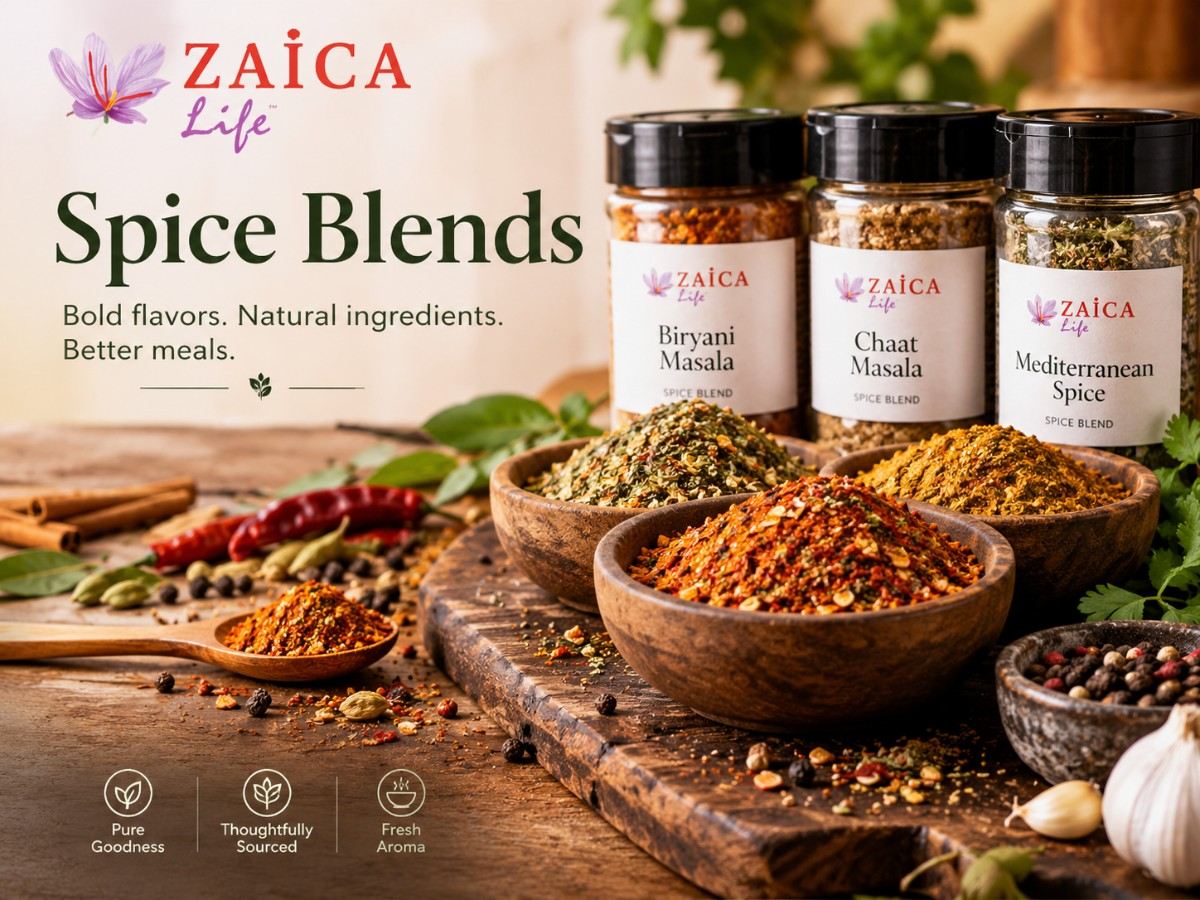
What's typically inside: cumin, coriander, cinnamon, green and black cardamom, cloves, star anise, mace, fennel, black pepper, and chilies. Zaica's version is a whole-spice blend that also includes dried onions, Kashmiri chilies, dried ginger, and curry leaves. Leaving the spices whole keeps them fresher and releases flavor slowly during cooking.
How to use a whole-spice biryani blend:
- Bloom it in fat. Add the whole spices to hot ghee or oil for 20–30 seconds before adding onions or meat. This wakes up the fat-soluble aroma compounds.
- Let time do the work. Whole spices release oils gradually, which gives a deeper, more layered fragrance without letting any one note dominate.
- Go easy on quantity. Start with about one to two tablespoons for a family-size pot and adjust on your next batch. Taste as you go, since every blend has its own strength.
- Par-boil the rice. Cook basmati about two-thirds of the way before layering. It finishes in the sealed pot (dum) and stays fluffy rather than soggy.
A common mistake: using too much ground masala and ending up with a bitter, slightly burnt finish. Restraint lets each ingredient be noticed.
BBQ Spice: Balancing Sweet, Smoke, and Heat
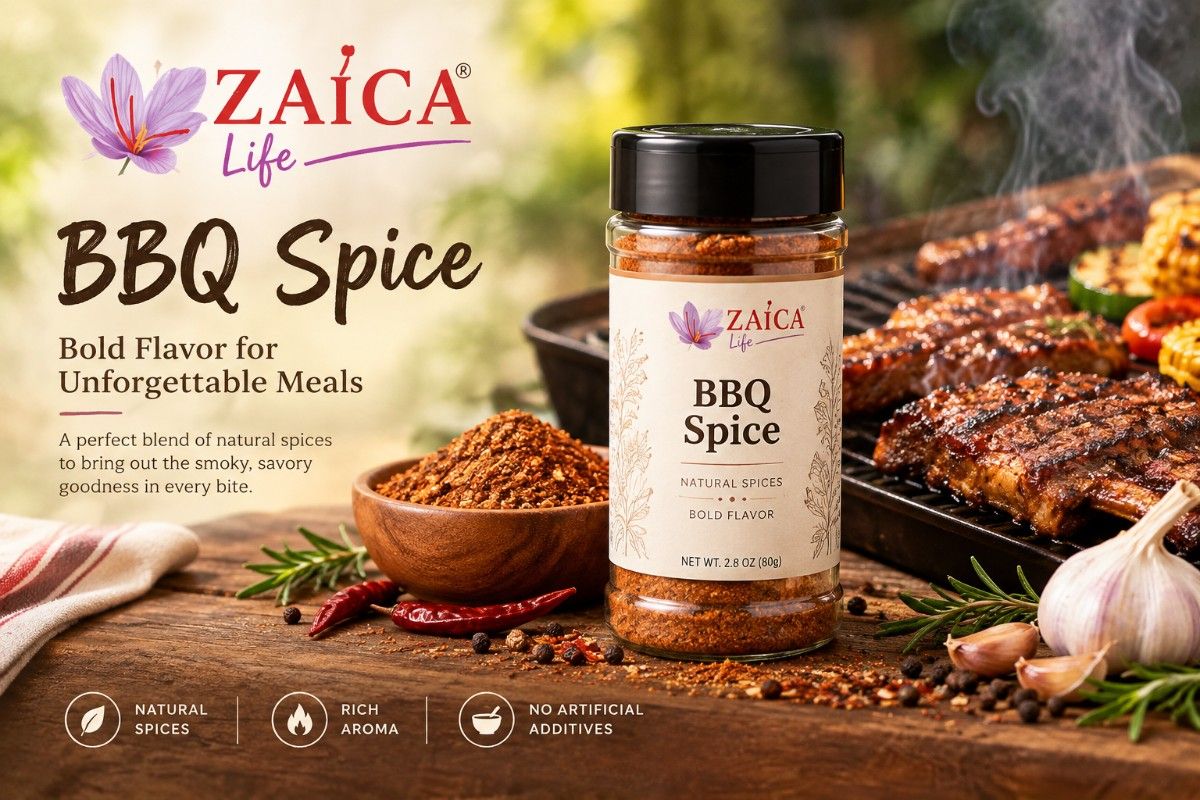
A great BBQ Spice rub works because it balances four things: smoke, sweetness, heat, and savoriness. There are nearly as many versions as there are pitmasters, and a good one gives you depth, a little heat, and just a touch of sweetness.
If you'd like to try a homemade rub first, here's a simple base. These proportions are my own working recipe, not an industry standard:
- 3 tablespoons smoked paprika
- 2 tablespoons brown sugar
- 1 tablespoon each: garlic powder, onion powder, black pepper
- 1 tablespoon coarse salt
- 1 teaspoon each: cumin, mustard powder
- ½ teaspoon cayenne (more if you like heat)
Practical notes:
- Sugar burns. Above roughly 300°F (150°C), sugar can scorch and turn bitter. For high-heat grilling, go lighter on sugar or apply the rub later. For low-and-slow smoking, sugar helps build bark.
- Salt in advance. A dry rub applied a few hours ahead, or overnight for larger cuts, seasons the meat rather than just sitting on the surface.
- Not just for meat. Mix it with a little oil and use it on roasted vegetables, potatoes, chickpeas, or marinades. Smoky rubs carry plant-based dishes well.
Mediterranean Spice: Bright, Herbal, and Everyday Friendly
If biryani is a slow-building story, Mediterranean Spice is a quick, sunny conversation. It draws on the flavors of Greece, Italy, Spain, and Turkey: herby, fresh, and light rather than heavy.
Where it shines:
- Olive oil marinades. Mix a tablespoon of blend, a squeeze of lemon, and olive oil for chicken, fish, or halloumi.
- Roasted vegetables. Zucchini, eggplant, peppers, and tomatoes all pick it up beautifully.
- Seafood and flatbreads. A light dusting before grilling, or a sprinkle over warm bread with olive oil, is an easy win.
- Dips and grain bowls. Stir it into yogurt, hummus, or whipped feta for a quick lift.
One tip most people miss: dried herbs are best added earlier in cooking so they rehydrate and release flavor, while bright elements like lemon zest or fresh parsley belong at the end. Timing changes the whole profile.
How to Choose a Blend You Can Trust
With so many options online, here's a quick checklist for evaluating any blend, from any brand:
- Read the ingredient order. Spices should lead. Salt and sugar shouldn't dominate.
- Look for freshness signals. Small-batch language and clear packing information beat vague "best by" dates alone.
- Check the packaging. Airtight and resealable beats a clear jar under bright lights.
- Smell before you commit, when you can. A dull or dusty aroma means faded oils.
- Ask about sourcing. Brands that are open about where their spices come from tend to care about consistency.
It's the standard we hold ourselves to at Zaica Life: whole-spice quality and honest labeling matter more than fancy marketing, whether you're cooking a weeknight dinner or a weekend feast.
Storage: Keeping Your Blends Fresh Longer
Even the best blend deteriorates if it's stored poorly. Four habits make a real difference:
- Keep them away from the stove. Heat and steam are the enemy. A cool, dry cupboard beats the rack above your burners.
- Avoid light. Sunlight fades color and flavor quickly.
- Seal tightly. Oxygen and humidity clump powders and dull aroma. Use dry spoons, never a wet one.
- Buy for your pace. If you cook a blend once a month, buy a small jar, not a jumbo bag.
A good sensory test: rub a pinch between your fingers and smell it. If the aroma is faint, it won't do much in your pot.
Common Mistakes to Skip
- Using too much. Blends are concentrated, so start small and build.
- Adding blends only at the end. Most need heat and fat to open up.
- Ignoring salt content. Some blends contain salt, so adjust the salt in your recipe accordingly.
- Keeping a blend for years "just in case." Freshness is part of the flavor.
What's Shaping Spice Blends in 2026
A few directions are worth noticing, based on what home cooks and food writers keep talking about:
- Regional specificity. People increasingly want a proper biryani masala or a true za'atar-style blend rather than a generic "curry powder."
- Smaller batches and whole spices. Freshness is becoming a selling point, not an afterthought.
- Cleaner labels. Shoppers read ingredient lists more than they used to.
- Cross-cuisine cooking. A Mediterranean blend on grilled vegetables, or a BBQ rub in a chickpea stew, is now ordinary weeknight cooking.
Final Thoughts
Spice blends aren't about shortcuts. They're about starting with a well-balanced foundation so you can cook with more confidence and less clutter in your pantry.
Pick one blend this week. Bloom it in oil, taste it, and adjust. That habit teaches you more than any recipe.
If you'd like to explore fresh, ethically sourced blends and pantry staples, you're welcome to browse what Zaica Life has to offer. Happy cooking.