Kedarkantha Trek 2024: Complete Guide, Itinerary, Tips and Preparation
-

- February 23rd, 2026
- 1,367 views

👉 Best IPTV Services 2026 – 10,000+ Channels, 4K Quality – Start Free Trial Now
The Kedarkantha Trek is one of Uttarakhand's most popular winter treks, offering snowy camps, panoramic Himalayan views and a manageable high-altitude route suitable for many first-time trekkers. This guide covers practical planning, a sample itinerary, permits, safety considerations and packing advice for the trek in 2024.
- Duration: Typical 4 to 6 days from Sankri (base village).
- Highest altitude: Approximately 12,500 ft (Kedarkantha summit).
- Difficulty: Moderate; suitable for fit beginners with acclimatization.
- Best season: December–March for snow, April–June and September–November for clear summer/autumn conditions.
- Permits: Entry into Govind Wildlife Sanctuary and local forest/park permits may be required.
Kedarkantha Trek Overview
Location and landscape
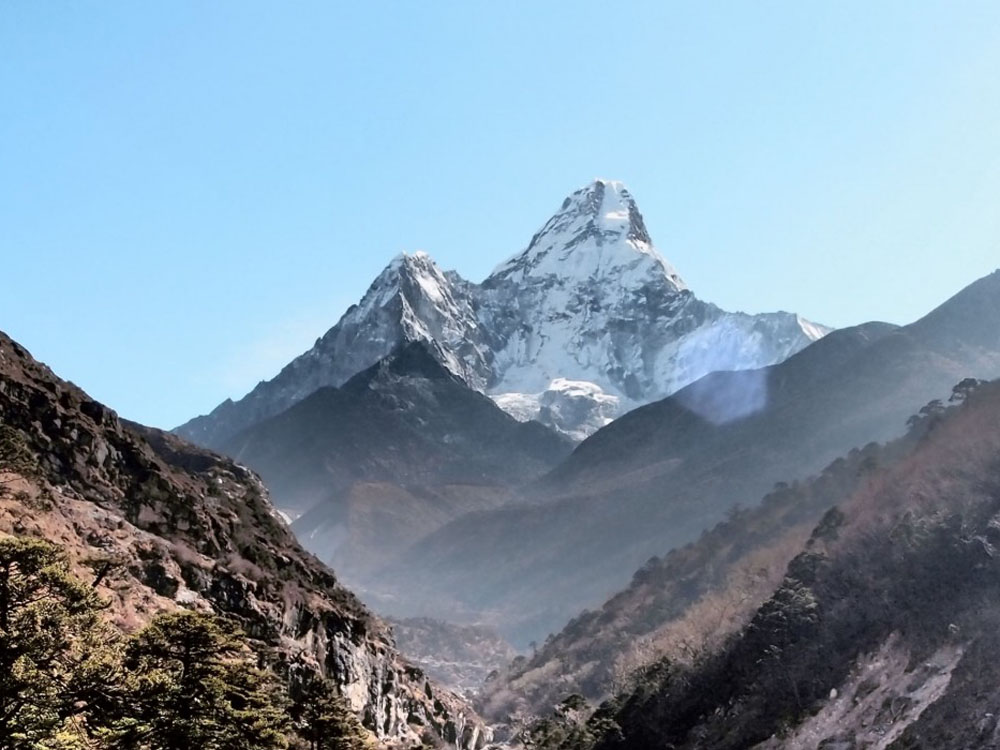
The trek lies in the Garhwal Himalaya within Uttarkashi district, often approached from the gateway village of Sankri in the Govind Wildlife Sanctuary. Trails pass through pine and oak forests, high meadows (bugyals), and alpine ridges with sweeping views of peaks such as Swargarohini and Bandarpoonch.
Difficulty, altitude and fitness
With a summit around 12,500 ft, the Kedarkantha Trek is classified as moderate. Daily walks of 4–7 hours over varied terrain require steady cardiovascular fitness and stamina. Acclimatization and gradual ascent reduce the risk of altitude-related problems; trekkers should monitor symptoms, pace themselves and stay hydrated.
Suggested 4-day Kedarkantha Trek itinerary
Day 0 — Arrive Sankri
Reach Sankri by road from Dehradun or Mussoorie area; check permits, hire local guide or porter if required, and confirm campsite or guesthouse reservations. Sankri is the last motorable village on the route.
Day 1 — Sankri to Juda Ka Talab or Hotel Camp (6–7 km)
Begin with a steady climb through mixed forest to a meadow site. This day conditions legs and helps adjust to altitude. Overnight at a campsite or basic guesthouse depending on season.
Day 2 — Juda Ka Talab to Kedarkantha Base (6–8 km)
Ascend through fir and rhododendron forests to higher bugyals. Expect steeper sections; carry layered clothing for temperature swings. Camp at a site close to the ridge for an early summit start.
Day 3 — Summit and return to Sankri
Start pre-dawn for the summit to catch sunrise views. The final ridge is exposed; take care with footing in snow or ice. After descending to base, continue back to Sankri or camp overnight depending on timetable.
Alternative 5–6 day itineraries
Longer itineraries add acclimatization days, allow for bad weather, or include side excursions (snowshoeing, local village walks). Winter treks may take longer due to snow-packed trails.
Getting there, permits and local rules
Access and transport
Nearest major transport hubs are Dehradun (airport/rail) and Rishikesh/Haridwar (rail). Road travel from Dehradun to Sankri typically takes 10–12 hours by public transport or private vehicle. Rural mountain roads may be closed in heavy winter snow; plan accordingly.
Permits and official authorities
Trails pass through Govind Wildlife Sanctuary and local forest areas where entry permits or nominal fees may be enforced by the Uttarakhand Forest Department. For authoritative regional information and any updated travel advisories, consult the Uttarakhand tourism portal: Uttarakhand Tourism. For technical mountaineering standards and safety, the Indian Mountaineering Foundation provides guidelines on mountain expeditions and training.
Packing list and safety tips
Essential gear
- Layered clothing: base layer, insulating mid-layer, waterproof shell.
- Sturdy trekking boots with good ankle support; gaiters for snow.
- Sleeping bag rated to expected temperatures; insulated sleeping pad.
- Headlamp, trekking poles, personal first-aid kit, water purification method.
- Navigation: local guide, map, or GPS device and charged power bank(s).
Health and safety
Acclimatize gradually and avoid alcohol or heavy exertion on ascent days. Know basic signs of acute mountain sickness (headache, nausea, dizziness) and descend immediately if serious symptoms develop. Carry a basic medical kit and inform local authorities or guides of any chronic health issues before starting.
Best time to trek and weather considerations
Winter (December–March) offers extensive snow and scenic winter camping but requires winter gear, crampons and experience with cold-weather camping. Summer (April–June) and autumn (September–November) provide milder weather, clearer skies and easier trail conditions. Monsoon months (July–August) are least suitable due to slippery trails and landslide risk.
Responsible trekking and local impact
Follow Leave No Trace principles: carry out all non-biodegradable waste, minimize campfire use, respect local customs and support village economies by hiring local guides or staying in community-run guesthouses. Obtain required permits and follow directions from forest officials to protect wildlife within Govind Wildlife Sanctuary.
Frequently asked questions
How difficult is the Kedarkantha Trek?
The Kedarkantha Trek is generally moderate in difficulty, suitable for fit beginners with good fitness and a willingness to acclimatize; snow and steep sections increase challenge levels.
What permits are required for the Kedarkantha Trek?
Permits may be required for entry into Govind Wildlife Sanctuary and other forest areas; local authorities, forest departments or tour operators can advise current requirements.
When is the best time to attempt the trek?
For snow scenery and winter camping choose December to March; for milder weather and clearer trails choose April–June or September–November.
Is a guide or porter necessary for the Kedarkantha Trek?
Hiring a local guide is recommended for first-time trekkers or winter conditions. Guides improve navigation, safety and local economy; porters help carry heavy gear and enable climbers to move faster.
Can this trek be done solo?
Experienced trekkers with strong navigation, winter camping skills and emergency planning may trek solo, but solo travel increases risk. Registration with local authorities or using a guide is advisable for safety and regulatory compliance.
Are accommodations available in Sankri?
Sankri offers guesthouses and basic hotels; during peak season book in advance. Camps along the route are available through licensed operators or self-supported camping where permitted.