Best Kindergarten Homeschool Curriculum: First-Year Guide and Checklist
-

- Published Updated
- 73 views
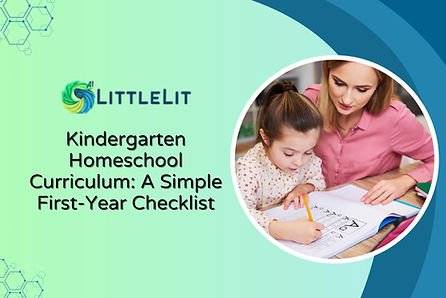
Starting kindergarten at home can feel confusing when you are choosing subjects, planning lessons, and checking state requirements for the first time. A good kindergarten homeschool curriculum should develop early reading, writing, math, communication, creativity, movement, and life skills without copying a full classroom schedule.
What Should a Kindergarten Homeschool Curriculum Cover?

Kindergarten should build basic academic skills while giving children time to play, move, talk, create, and learn from daily experiences.
Reading and Phonics
Start with letter recognition, letter sounds, rhyming, vocabulary, and simple phonics. Read aloud every day and ask your child to describe pictures, recall events, and talk about the characters.
Early Writing
Practice pencil grip, letter formation, name writing, drawing, and copying simple words. Keep handwriting sessions short. Coloring, cutting, building blocks, and modeling clay can support fine-motor development.
Kindergarten Math
Introduce counting, number recognition, shapes, patterns, sorting, measurement, and basic addition and subtraction. Household objects, toys, snacks, and blocks can turn math into a practical activity.
Science and Social Studies
Science may include animals, plants, weather, seasons, and the five senses. Social studies can cover families, communities, maps, traditions, and community helpers. Nature walks, conversations, and simple projects work well at this age.

Art, Movement, and Life Skills
Include drawing, crafts, music, outdoor play, and imaginative activities. Children can also practice following directions, cleaning up, taking turns, communicating clearly, and completing small tasks independently.
- Kindergarten Homeschool Checklist
Children develop at different speeds. A child may read early but need more time with handwriting, attention, or number skills.
Use this checklist as a flexible guide:
- Recognize uppercase and lowercase letters
- Identify common letter sounds
- Listen to and discuss stories
- Begin reading simple words
- Practice writing letters and their name
- Count toward 100
- Recognize numbers and basic shapes
- Create and continue patterns
- Compare quantities
- Understand simple addition and subtraction
- Observe plants, animals, weather, and seasons
- Follow short directions
- Complete basic tasks independently
- Ask for help when needed
How Long Should Kindergarten Homeschool Take?
Young children often learn better through several short sessions instead of one long block. Phonics, handwriting, and math may each take 10 to 20 minutes, depending on the child’s attention and interest.
Breaks, outdoor play, stories, art, and hands-on activities are also part of the homeschool day. Stop or switch activities when your child becomes tired or frustrated.
Sample Kindergarten Homeschool Schedule
The routine can change around travel, appointments, energy levels, and family plans. Consistency matters more than following exact times.
A simple daily routine may include:
Morning calendar, songs, or weather discussion
Short phonics and reading lesson
Early math activity
Snack and movement break
Science, art, or practical project
Outdoor play
Read-aloud and conversation
A child can be advanced in one area and still developing in another.
Basic Kindergarten Homeschool Supplies
You can begin with a small set of materials:
Picture books and early readers
Pencils, crayons, markers, and paper
Child-safe scissors and glue
Blocks, counters, or math manipulatives
Puzzles and educational games
Craft materials
Modeling clay
A small whiteboard
A printer, if needed
Buy additional supplies after you know which activities your child enjoys.
Common First-Year Homeschooling Mistakes
Avoid planning long academic days or relying mainly on worksheets. Kindergarten children also learn through stories, games, cooking, building, nature walks, and conversation.
Do not compare your child’s progress with other children. Focus on growth across reading, math, communication, independence, and learning habits.
A rigid schedule can also create unnecessary stress. If an activity is not working, shorten it, change the method, or return to it another day.
How LittleLit AI Supports Kindergarten Homeschooling
LittleLit AI provides an AI-powered K–12 curriculum with personalized tutors, structured learning plans, interactive lessons, projects, assessments, and progress reports.
Parents can adjust subjects, lesson schedules, and learning levels based on their child’s needs. Its flexible grade-by-subject system can support children who progress at different levels in reading, writing, math, and other subjects.
Digital lessons should remain part of a balanced routine that includes books, movement, conversation, creative work, and real-world activities.
Kindergarten Homeschool Requirements
Homeschool laws vary by state. Check the compulsory attendance age, notification rules, required subjects, recordkeeping expectations, and assessment policies that apply where you live.
Frequently Asked Questions
Do I need a full kindergarten curriculum?
No. Families may use an all-in-one curriculum or combine books, workbooks, games, and hands-on activities.
Can I homeschool kindergarten without teaching experience?
Yes. Start with clear goals, short lessons, simple routines, and age-appropriate resources.
How do I know if my child is ready for first grade?
Review progress in phonics, early reading, handwriting, counting, number skills, communication, independence, and the ability to follow directions. First-grade readiness should be based on overall development, not one test.