Practical Kitchen and Bath Design Ideas for Functional, Stylish Spaces
-

- Published Updated
- 476 views
Well-executed kitchen and bath design ideas unify function and style to make daily routines easier and spaces more enjoyable. This guide lays out a practical, step-by-step process for planning layouts, choosing durable materials, and adding finishing details so kitchens and bathrooms feel organized, safe, and attractive.
Kitchen and bath design ideas: core principles
Start design work with user needs and constraints. Prioritize ergonomics, circulation, and maintenance as much as aesthetics. Common design goals include maximizing storage, minimizing wasted steps, improving cleaning access, and selecting moisture-resistant materials for bathrooms while keeping the kitchen workflow efficient. Familiar design goals and terms to use while planning: work triangle, task lighting, ventilation, clearances, and waterproofing.
Design framework: The 5P Checklist
A repeatable checklist keeps projects on track. Use the 5P Checklist below for every kitchen or bathroom design:
- Plan – Define goals, users, and constraints. Measure and document fixed elements (windows, plumbing, structural walls).
- Prioritize – List must-haves (storage, seating, safety) versus nice-to-haves (designer tiles, skylights).
- Proportion – Verify clearances, appliance sizes, and fixture spacing. Apply standard minimums and adjust for the user.
- Placement – Position appliances and fixtures for efficient workflow (kitchen work triangle tips, laundry adjacency, shower location).
- Finish – Select durable surfaces, hardware, lighting layers, and waterproofing details that meet maintenance expectations.
Step-by-step design actions
1. Document users and use cases
Create quick user profiles: who cooks, who needs step-free access, and what storage patterns exist. For example, if counter space is used for meal prep and remote work, allocate clear zones for each activity.
2. Measure and sketch existing conditions
Record exact wall lengths, window and door locations, and plumbing/electrical points. These measurements drive layout options and help avoid last-minute surprises.
3. Lock in layout and clearances
Choose a layout—galley, L-shape, U-shape, island—for the kitchen and a zone plan for the bathroom. Use established clearance guidelines (for example, 42" aisles for two cooks in kitchens) and consult industry best practices for fixture clearances. For guidance on recommended clearances and planning standards, review the National Kitchen & Bath Association resources (NKBA).
4. Solve storage and systems early
Design cabinetry and storage to match items actually used: deep drawers for pots, pull-out pantry units for canned goods, and medicine cabinets with organized trays in bathrooms. Plan plumbing access and ventilation before final finishes.
5. Select materials and lighting
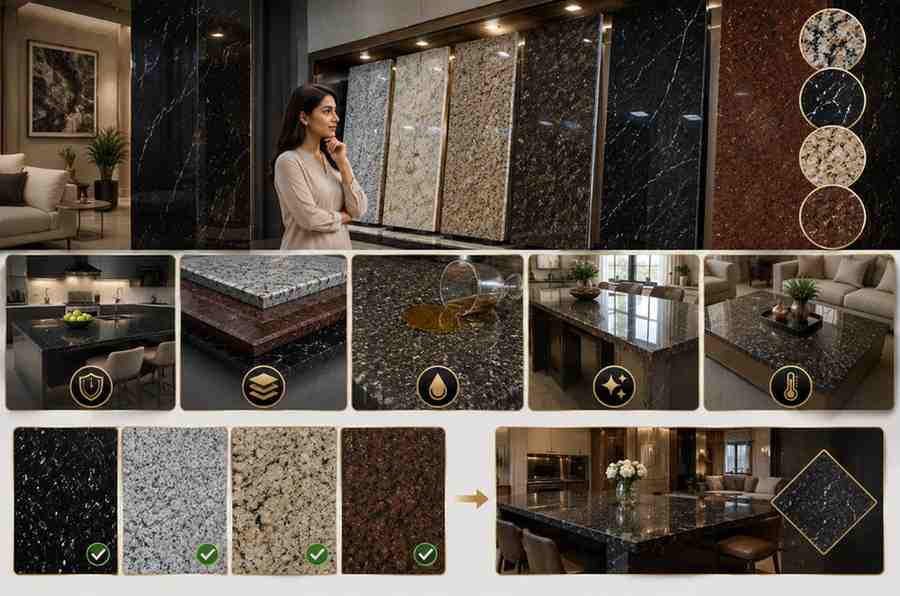
Pick surfaces based on durability and maintenance: quartz or porcelain for counters, porcelain or large-format tiles for wet floors, and solid-core doors for high-use areas. Layer lighting to include ambient, task, and accent sources—avoid relying solely on overhead fixtures.
Practical tips
- Use a consistent base cabinet depth and vary drawer heights to match stored items—this increases usable storage without enlarging the footprint.
- Prioritize ventilation in bathrooms and kitchens; an adequately sized exhaust fan prevents mold and protects finishes.
- Plan outlets and switches for real-world use: outlets inside pantries, USB-A/C near prep zones, and dedicated circuits for heavy appliances.
- Choose matte or low-gloss finishes for high-use horizontal surfaces to hide wear and water spots.
Common mistakes and trade-offs
Common mistakes
- Poor storage planning—too many shallow cabinets, too few accessible drawers.
- Ignoring ventilation needs—undersized fans or no ventilation at all in bathrooms and kitchens.
- Over-prioritizing looks over durability—selecting delicate finishes in wet or high-traffic zones.
Trade-offs to manage
Balancing budget and longevity: higher-quality cabinets and solid-surface counters cost more up front but reduce replacement frequency. Open shelving looks light but reduces concealed storage and increases cleaning. Compact layouts save space but may require custom solutions to maintain storage capacity and workflow.
Real-world example: A small urban condo kitchen and bath
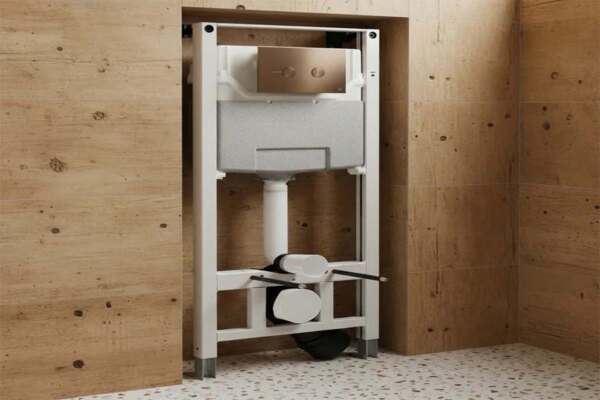
Scenario: A 650 sq ft condo needs a compact galley kitchen and a full bathroom that also stores laundry. Constraints include one plumbing wall and limited width. Approach: use full-height pantry cabinets at the fridge wall, deep drawers under the cooktop for pots, and a stacked washer/dryer in a ventilated closet with ventilation and a drip pan. Choose a 24" deep counter on one side and 18" open shelf on the other to keep circulation. In the bath, install a 32" shower with a niche and a wall-mounted sink to maximize floor space.
Core cluster questions
- How to plan storage in small kitchens and bathrooms?
- What are accepted clearances for kitchen layouts?
- Which materials resist moisture best in bathrooms?
- How to integrate laundry into a bathroom or small kitchen?
- What lighting layers improve kitchen task performance?
Final checklist before construction
Before ordering materials or scheduling contractors, run this quick pre-construction check:
- Verified measurements and fixed condition drawings.
- Approved layout with required clearances and appliance sizes.
- Storage plan matching utensil and product types.
- Specified ventilation capacity and routing for exhaust fans.
- Selected finishes matched to maintenance expectations and budgets.
FAQ
What are the best kitchen and bath design ideas for small spaces?
Focus on multifunctional elements: deep drawers, full-height cabinets, combination appliances (e.g., microwave-hood), and wall-mounted fixtures. Keep pathways at least 36" where possible, and use light-reflecting surfaces and layered lighting to make spaces feel larger.
How much clearance is needed around major kitchen appliances?
Allow at least 30" of clear workspace in front of major appliances, 42" for a two-cook kitchen aisle, and 36" for single-cook aisles. Check appliance manufacturer dimensions and local building codes for additional requirements.
Which bathroom materials last longest in wet environments?
Porcelain tile, large-format porcelain slabs, quartz surfaces, and properly sealed natural stone perform well when installed with correct waterproofing; avoid untreated wood in direct wet zones.
How can the kitchen work triangle tips improve layout efficiency?
Position sink, cooktop, and refrigerator to form an efficient path with minimal obstructions. Keep cumulative triangle leg length between 12 and 26 feet for balanced efficiency—adjust for user needs and traffic patterns.
What are quick bathroom storage solutions without remodeling?
Install recessed medicine cabinets, wall-mounted shelving, over-the-toilet cabinetry, and towel bars with shelves. Use organizers for under-sink spaces and add magnetic strips for small metal tools.