Kitchen Remodel Timeline in Pinellas County, FL: A Week-by-Week Breakdown So You Know Exactly What t
-

- Published Updated
- 518 views
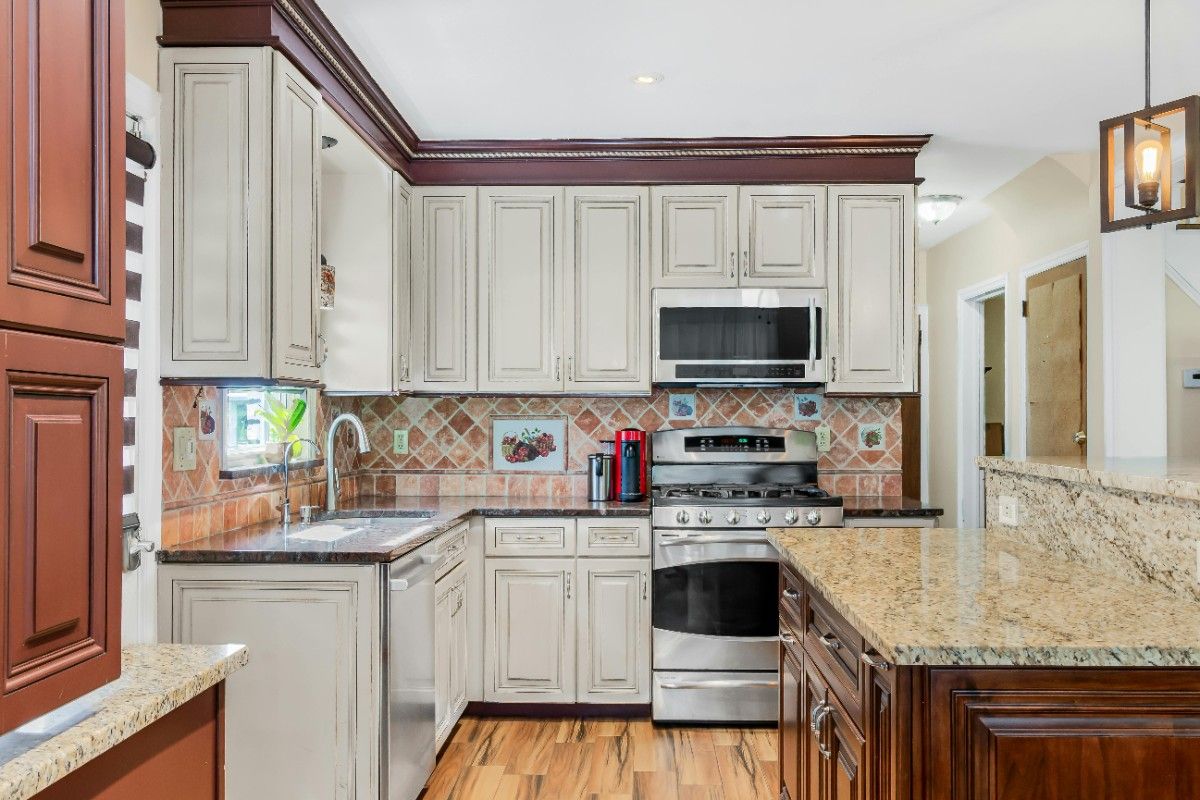
Most homeowners assume a kitchen renovation wraps up in about a month. Then week five arrives, the countertops are still on backorder, and the stress spending begins. Understanding a realistic kitchen remodel timeline week by week in Pinellas County, FL, prevents that cycle before it starts.
Whether you are gutting a galley kitchen in Clearwater, updating a 1970s layout in Largo, or expanding a cooking space in St. Petersburg, the phases follow the same general order. NexGen Constructors' outdoor kitchen and renovation services give homeowners across Pinellas County (ZIP codes 33701 through 33786) a reliable partner for every stage of the process. This guide breaks the full project into clear phases so you can plan meals, set expectations, and keep your budget intact.
Weeks 1 Through 4: Planning, Design, and Permits
The planning phase is where most timelines go off track, because homeowners rush through it. Spending three to four weeks here actually shortens the overall project.
Design development (weeks 1 and 2). Start with a detailed scope. Decide which walls stay, which move, and where every appliance lands. Finalize cabinet styles, countertop materials, flooring, and hardware now. Every delayed decision adds days to the construction phase.
Material ordering (weeks 2 and 3). Custom cabinetry often requires six to ten weeks of lead time. Stock and semi-custom options ship in two to four weeks. Order cabinets, appliances, and specialty fixtures early so they arrive before demo day.
Permitting (weeks 2 through 4). The Florida Building Code requires a permit for any work that alters electrical, plumbing, gas, or structural systems. A full kitchen remodel that removes all cabinets and relocates utility connections triggers an alteration permit. Cosmetic updates like painting or swapping appliances without modifying wiring generally do not require one.
Pinellas County classifies interior remodel permits as single-department reviews. Expect a first review turnaround of roughly five to fifteen business days for residential interior work. Plan revisions can add another cycle. Your contractor should submit plans through the Pinellas County Access Portal and track status online. Filing early is the simplest way to protect your timeline.
Weeks 5 and 6: Demolition and Structural Work
Once the permit clears, the physical work begins. Demo is fast but disruptive.
Demolition (week 5). A crew can strip an average kitchen to studs in two to four days. That includes removing cabinets, countertops, flooring, backsplash, and fixtures. If walls are coming down, the framing crew follows immediately.
Expect dust. Seal off adjacent rooms with plastic sheeting. Set up a temporary cooking station in a garage or Florida room with a microwave, cooler, and portable burner.
Structural modifications (week 6). If the layout changes the footprint, this week covers new framing, subfloor repairs, and slab work. Older Pinellas County homes on concrete slab may need core drilling for relocated drain lines.
Weeks 7 and 8: Rough-In for Plumbing, Electrical, and HVAC
This phase lays the foundation for everything that comes after, and it must pass inspection before the walls close up.
Plumbing rough-in. Your plumber runs new supply and drain lines to match the updated layout. Moving a sink to an island or adding a pot-filler faucet happens here.
Electrical rough-in. The electrician installs new circuits, runs wiring for under-cabinet lighting, and places outlet boxes per code. Florida requires GFCI-protected outlets within six feet of any sink.
HVAC adjustments. Relocated ductwork or new range hood ventilation also falls in this window.
Rough inspections. Pinellas County inspectors must approve plumbing, electrical, and mechanical rough-ins before drywall goes up. Schedule inspections promptly, as booking can take several business days.
Weeks 9 and 10: Drywall, Insulation, and Pre-Cabinet Prep
After rough inspections pass, the space begins to look like a room again.
Drywall installation (week 9). Hanging, taping, mudding, and sanding drywall typically fills four to five working days. Florida's humidity can extend drying times for joint compound. What dries in 24 hours in a dry climate might need 48 to 72 hours during the wet season (June through November).
Priming and pre-cabinet prep (week 10). Walls receive a coat of primer. The floor gets leveled if needed. Accurate measurements confirm that the cabinet order matches the final wall dimensions. Any last-minute discrepancies get addressed before the cabinets arrive.
Weeks 11 and 12: Cabinet Installation and Countertop Templating
This is the week homeowners start to see the finished kitchen take shape.
Cabinet installation (week 11). A professional cabinet installer typically needs three to five days for a standard kitchen. Upper cabinets go in first, followed by base cabinets and the island. Hardware, soft-close hinges, and drawer slides get installed and adjusted during this phase.
Countertop templating (end of week 11 or early week 12). After the cabinets are set, a fabricator visits the site to laser-measure for countertop slabs. Templating must happen after cabinet install because even small variations in cabinet placement affect the countertop cut. Stone fabrication then takes seven to fourteen days from template to installation.
Weeks 13 and 14: Countertop Install, Backsplash, and Finish Work
The final push brings every element together.
Countertop installation (week 13). The fabricator delivers and sets the stone slabs. Plumbers follow to connect sinks and faucets. The sink and dishwasher typically go live within a day of countertop placement.
Backsplash tile (weeks 13 and 14). Tile installers set the backsplash after countertops are in place. Grouting, curing, and sealing add one to two days.
Final connections and trim (week 14). Light fixtures, appliance hookups, and dedicated circuits get completed. Final paint goes on walls and trim. Baseboards and molding get installed.
Final inspection. The Pinellas County inspector returns for a final check. A passed inspection closes the permit and confirms all work meets code. A Certificate of Completion is issued for most kitchen remodels.
Common Delays Specific to Florida Remodels
Florida introduces a set of challenges that homeowners in other states do not face. Build these into your planning from the start.
Humidity and cabinet warping. Pinellas County's average relative humidity hovers near 75 percent year-round. Solid wood cabinets can swell or warp within weeks if not properly sealed. Plywood boxes and MDF doors with sealed finishes handle moisture far better than particle board.
Extended drying times. Paint, joint compound, adhesives, and grout cure slower in humid air. Summer remodels during rainy season (June through November) should budget one to two extra days per phase for drying.
Material shipping disruptions. Custom cabinetry from out-of-state manufacturers can face transit delays during hurricane season when freight routes shift. Order materials early and confirm delivery dates weekly.
Hurricane season scheduling. The Atlantic hurricane season runs June 1 through November 30. A named storm approaching the Gulf can pause construction for days. Contractors in Tampa Bay often see demand spikes after storms, stretching lead times for labor and materials.
Post-storm permitting backlogs. After events like Hurricanes Helene and Milton in 2024, Pinellas County building departments experienced heavy permit volume. These backlogs can extend review times for new renovation permits. Monitor the Pinellas County Building Services page for current timelines.
Schedule your remodel during the dry season (December through May) to reduce weather-related risk. Humidity levels drop, storm interruptions fade, and contractor availability is more predictable.
How to Protect Your Budget and Timeline
A few habits make a measurable difference.
Finalize every design decision before demo day. Mid-project changes cause cascading delays.
Budget a 15 to 20 percent contingency. Older Pinellas County homes often hide outdated wiring or moisture damage behind walls.
Communicate weekly with your contractor. A short check-in catches problems before they break the schedule.
Stay available for decisions. Slow responses add idle days to the project.
If you are also considering expanding your cooking space outdoors, a professionally built outdoor kitchen in Pinellas County can extend both your home's functionality and its resale value. Outdoor projects follow a similar phased approach and benefit from the same early planning habits.
Conclusion
A full kitchen remodel in Pinellas County typically spans 10 to 14 weeks of active construction, plus three to four weeks of planning and permitting. That puts the total at roughly 13 to 18 weeks.
Homeowners who finish on time share a common trait. They plan early, order materials before demo, and avoid mid-project changes. Florida's humidity, hurricane season, and permitting process add layers, but none are surprises if you account for them from week one.
A detailed, week-by-week kitchen remodel timeline is the single best tool for keeping a renovation predictable. Share it with your contractor and revisit it at every weekly check-in.
Frequently Asked Questions
How long does a full kitchen remodel take in Pinellas County?
Most full kitchen remodels take 10 to 14 weeks of active construction. Add three to four weeks of planning and permitting. The total window runs roughly 13 to 18 weeks. Scope, material lead times, and weather all affect the exact duration.
Do I need a permit for a kitchen remodel in Florida?
Yes, in most cases. The Florida Building Code requires a permit for work that alters electrical, plumbing, gas, or structural systems. A full remodel that removes cabinets and modifies utility connections triggers an alteration permit. Cosmetic work like painting or appliance swaps is generally exempt.
What triggers an alteration permit for a kitchen remodel?
An alteration permit is required when a remodel removes all cabinets along with plumbing, gas, or electrical fixtures. It also applies if drywall is removed or walls are added or taken down. Relocating a sink, adding island plumbing, or moving gas lines all fall into this category.
How long does permit approval take in Pinellas County?
Interior remodel permits are classified as single-department reviews. First review turnaround generally falls between five and fifteen business days. Seasonal backlogs and post-storm repair demand can extend that window. Track status through the Pinellas County Access Portal.
What causes kitchen remodel delays in Florida?
Humidity slows paint, compound, and adhesive curing. Custom cabinet lead times can stretch to ten weeks. Hurricane season disrupts shipping routes and construction schedules. Scheduling your remodel during the dry season (December through May) reduces most of these risks.
Can I live in my home during a kitchen remodel?
Yes. Most Pinellas County homeowners stay home during the project. Set up a temporary kitchen with a microwave, cooler, and portable burner. Seal the construction zone with plastic sheeting to contain dust.