Which Lab Grown Diamond Should You Buy?
-

- Published Updated
- 2,231 views
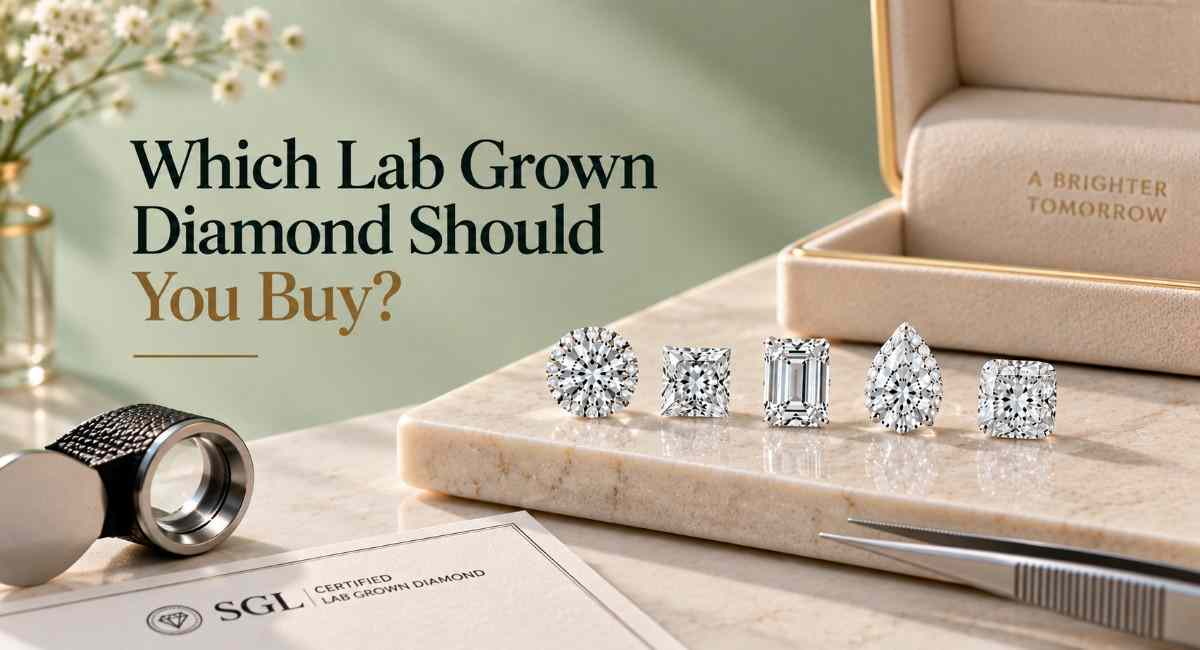
Choosing a lab grown diamond can feel confusing when several stones appear similar at first glance. Different diamonds can vary in carat weight, colour, clarity, cut, shape, certification, and price. Understanding these differences helps you focus on the characteristics that matter most for your jewellery and budget.
A good buying decision should not be based on size alone. When reviewing a lab grown diamond comparison, look at the complete set of specifications and consider how the diamond will be used. A centre stone for an engagement ring may have different priorities from a diamond selected for everyday jewellery.
Start With Your Budget
Your budget is one of the easiest ways to narrow down your options. Before comparing individual diamonds, decide how much you are comfortable spending on the complete jewellery piece rather than focusing only on the centre stone.
A detailed lab grown diamond price comparison can then help you understand what changes the cost. Two diamonds with the same carat weight may have different prices because of differences in colour, clarity, cut, shape, certification, and overall specifications. Comparing these factors together gives you a more realistic picture of value.
Understand the 4Cs
The 4Cs, cut, colour, clarity, and carat, provide a useful framework for comparing diamonds. Carat refers to the diamond's weight, while colour and clarity describe specific characteristics identified during grading.
Cut is particularly important because it influences how the diamond interacts with light. A larger stone does not automatically provide the appearance you want. A well-balanced diamond with suitable proportions can create strong visual appeal even when another stone has a higher carat weight.
Choose a Shape That Matches Your Style
Diamond shape has a major influence on the final appearance of jewellery. Round diamonds offer a classic and versatile look, while oval, pear, emerald, princess, and other shapes create different visual personalities.
Your jewellery design should guide this decision. A solitaire ring can highlight the shape of the centre stone, while a halo or multi-stone design can change its overall appearance. Choose a shape that feels appropriate for your personal style and the type of jewellery you expect to wear regularly.
Check Certification
Certification provides documented information about a diamond and gives buyers a reference for understanding its characteristics. A certificate can include details such as carat weight, colour, clarity, measurements, and other identification information.
Before purchasing, check that the certificate belongs to the diamond being offered. The report number and diamond specifications should correspond with the product information. This is particularly useful when comparing several stones with similar appearances.
Think About Colour and Clarity
Colour and clarity can influence both appearance and price. Some buyers prefer a diamond with a higher colour grade, while others may prioritise clarity or choose a balance between several characteristics.
The right combination depends on the jewellery design and your personal preferences. A diamond intended for a yellow gold setting may create a different visual impression from the same colour grade placed in white gold. This is why specifications should always be considered together with the final jewellery design.
Consider the Diamond Shape and Proportions
Two diamonds with the same carat weight can appear different depending on their shape and proportions. Elongated shapes may create more visual spread across the finger, while other shapes can provide a more compact appearance.
Measurements are therefore worth checking alongside carat weight. Looking at the diamond's dimensions, shape, and overall proportions can help you understand how much visual presence it is likely to have once placed into the jewellery setting.
Decide What Matters Most to You
There is no need to maximise every diamond characteristic. Instead, identify the features that matter most for your purchase. Some buyers may prioritise visual size, while others may prefer higher clarity, a particular shape, or a specific certification.
Think about how you will use the jewellery as well. A frequently worn ring may benefit from a practical setting and balanced proportions, while a special-occasion piece may allow more freedom in design and size. Your priorities should guide the comparison.
Compare the Complete Jewellery Piece
The diamond is only one part of the final product. Gold purity, jewellery design, setting, craftsmanship, additional stones, and other factors can all contribute to the final price.
For this reason, compare complete jewellery pieces rather than looking at diamond specifications in isolation. Review the diamond certificate, gold details, setting, product dimensions, pricing, and available policies before making your final decision.
Conclusion
Choosing a lab grown diamond becomes easier when you compare the factors that actually affect your purchase. Start with your budget, understand the 4Cs, consider the shape and proportions, verify certification, and decide which characteristics matter most to you.
For buyers exploring certified lab grown diamond jewellery, Awaken Jewels offers a range of designs using SGL certified lab grown diamonds and BIS hallmarked gold. Taking the time to compare the diamond and the complete jewellery piece can help you select an option that fits your budget, style, and intended use.