Laminated Plywood: Structure, Uses, Benefits, and Selection Factors
-

- September 21st, 2026
- 2,138 views
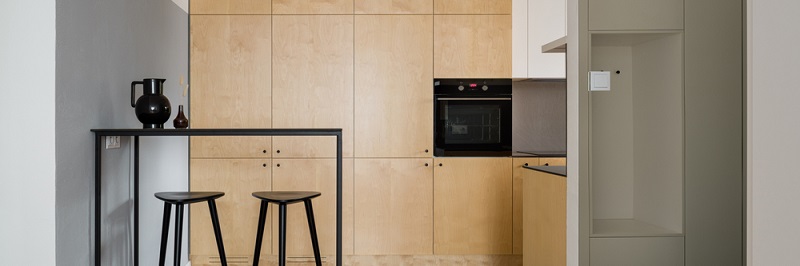
Laminated plywood is a widely used engineered wood material that combines the structural properties of plywood with a finished laminate surface. It is commonly used in furniture manufacturing, interior decoration, cabinetry, wardrobes, wall panels, doors, shelving, and other woodworking applications. The material is valued for its combination of strength, appearance, versatility, and relatively easy maintenance.
Understanding how laminated plywood is constructed, where it can be used, and which factors affect its performance can help homeowners, architects, interior designers, contractors, and furniture manufacturers select the right material for their projects.
What Is Laminated Plywood?
Laminated plywood consists of a plywood base covered with a decorative or protective laminate layer. Plywood itself is manufactured by bonding several thin wood veneers together, with the grain direction of adjacent layers generally arranged in alternating directions. This cross-layered construction contributes to the panel's strength and dimensional stability.
The laminate is added to the surface to provide a finished appearance and additional surface characteristics. Depending on the selected laminate, the plywood can have different colours, patterns, textures, and wood-grain effects.
Unlike unfinished plywood, laminated plywood can provide a ready-to-use decorative surface, reducing the need for additional surface treatments in many interior applications.
How Is Laminated Plywood Manufactured?
The manufacturing process generally begins with the preparation of suitable wood veneers. These veneers are arranged in layers and bonded under controlled pressure and temperature to form plywood panels.
After the plywood base is produced and prepared, a laminate sheet is bonded to one or both surfaces. Proper adhesive application, pressure, and processing conditions are important for achieving a secure bond between the laminate and plywood.
The final panel may undergo trimming, sanding, inspection, and quality checks before being supplied for use. Consistency throughout these stages can influence the appearance, stability, and usability of the finished product.
Key Features of Laminated Plywood
1. Decorative Surface
One of the most noticeable features of laminated plywood is its finished surface. Laminates are available in numerous colours, patterns, textures, and finishes. This allows designers and furniture manufacturers to select surfaces that complement different interior styles.
2. Structural Stability
The plywood core provides a layered construction that can offer good dimensional stability compared with many solid wood panels. Its performance, however, depends on the plywood grade, thickness, manufacturing quality, and intended application.
3. Versatile Applications
Laminated plywood can be used across a wide range of interior and woodworking projects. Its combination of a plywood base and decorative surface makes it suitable for both functional and visible components.
4. Easy Surface Maintenance
Many laminated surfaces can be cleaned using suitable everyday cleaning methods. Their smooth or textured finishes can make routine maintenance relatively convenient, although care should be taken to avoid excessive moisture, harsh chemicals, or abrasive cleaning materials.
Types of Laminates Used on Plywood
Different laminate materials can provide different visual and functional characteristics. Common options include decorative laminates designed to replicate wood grain, stone patterns, solid colours, and various textures.
Some surfaces are designed primarily for appearance, while others may provide greater resistance to everyday scratches, stains, or wear. The appropriate laminate depends on where the panel will be installed and how frequently the surface will be used.
Therefore, selecting laminated plywood should involve consideration of both the plywood core and the laminate surface rather than focusing only on appearance.
Applications of Laminated Plywood
Furniture Manufacturing
Laminated plywood is frequently used for furniture components such as wardrobes, cabinets, tables, desks, storage units, and shelving. The finished surface can provide a consistent appearance while the plywood core provides the required panel structure.
Kitchen Cabinets
Kitchen furniture requires materials that can withstand regular handling and cleaning. Laminated plywood may be used for cabinet components depending on the selected plywood and laminate specifications. In areas exposed to moisture, the appropriate moisture-resistant grade should be considered.
Wardrobes and Storage Units
Wardrobes, cupboards, and storage systems can benefit from the wide range of decorative finishes available with laminated plywood. Designers can select finishes that match the surrounding interior décor.
Interior Wall Panels
Laminated plywood can also be used as an interior wall finishing material. Different textures and patterns can create visual variety while providing a practical panel surface.
Doors and Partitions
Depending on the required specifications, laminated plywood can be used for doors, partitions, and other interior structures. The required thickness, core construction, and surface characteristics should be selected according to the application.
Benefits of Using Laminated Plywood
Laminated plywood offers several practical benefits when the appropriate specification is selected.
Design flexibility is one of its major advantages. A broad selection of laminate colours, textures, and patterns allows manufacturers and designers to create different visual effects.
Another benefit is the combination of plywood construction and surface finishing. Instead of applying a separate decorative finish after installation, laminated plywood already provides a finished surface.
It can also provide consistent appearance across multiple furniture or interior components. This is particularly useful in commercial and residential projects where several panels need to have a coordinated appearance.
The material is also adaptable to different woodworking requirements, although cutting, drilling, edge treatment, and installation should be carried out according to the manufacturer's specifications.
Factors to Consider Before Buying Laminated Plywood
Choosing the correct laminated plywood requires more than selecting a preferred colour or design. Several technical factors should be evaluated.
Plywood Grade
The grade of the plywood determines its suitability for different applications. Buyers should identify whether the panel is intended for general interior use, furniture, areas with higher moisture exposure, or other specific requirements.
Thickness
Thickness should correspond to the structural and design requirements of the project. Furniture shelves, cabinet panels, doors, and partitions may require different thicknesses.
Laminate Quality
The laminate should be appropriate for the expected level of usage. High-contact surfaces may require finishes with suitable resistance to scratches, stains, and general wear.
Bonding Quality
A secure bond between the laminate and plywood is important for long-term usability. Poor bonding may result in lifting, bubbling, or separation of the surface.
Moisture Exposure
The environmental conditions of the installation area should always be considered. Standard laminated plywood may not be suitable for every moisture-prone location. Buyers should check the product's moisture-resistance specifications before use.
Laminated Plywood vs. Unfinished Plywood
The primary difference is the surface treatment. Unfinished plywood generally requires an additional finishing process such as painting, polishing, veneering, or laminating after purchase. Laminated plywood already has a decorative surface attached to the plywood core.
This can make laminated plywood a convenient option for projects where a finished appearance is required. However, the choice between the two depends on the project's design, budget, application, and finishing requirements.
How to Maintain Laminated Plywood
Proper maintenance can help preserve the appearance and usability of laminated plywood. Dust and everyday dirt can generally be removed with a soft cloth. Spills should be cleaned promptly, particularly around edges and joints where moisture could potentially reach the underlying material.
Avoid excessive water and harsh cleaning chemicals unless they are specifically recommended for the laminate surface. Furniture should also be protected from unnecessary impacts, prolonged heat exposure, and conditions outside the product's intended environment.
Conclusion
Laminated plywood combines the layered construction of plywood with a decorative and functional laminate surface, making it suitable for numerous furniture and interior applications. Its uses range from cabinets and wardrobes to shelving, doors, partitions, wall panels, and other interior components.
When selecting laminated plywood, it is important to consider the plywood grade, thickness, laminate characteristics, bonding quality, surface finish, moisture exposure, and intended application. The quality of the plywood core remains just as important as the visible laminate because it contributes to the panel's overall stability and performance.
By understanding these characteristics and matching the product specification to the project requirements, homeowners, architects, contractors, and furniture manufacturers can make more informed decisions when using laminated plywood for interior and woodworking projects.