Can a LAP Help Women Entrepreneurs Finance and Grow Their Businesses?
-

- Published Updated
- 1,690 views
Access to affordable capital is a common barrier for small business owners. LAP for Women Entrepreneurs appears in searches as a possible route: a Loan Against Property (LAP) is a secured loan that uses residential or commercial property as collateral and can provide larger sums and longer tenors than many unsecured products.
- What it is: A asset-backed loan using property as collateral.
- Why women entrepreneurs consider it: potential for larger loan amounts and lower interest than unsecured credit.
- Key trade-offs: property at risk if repayments are missed, strict documentation and valuation requirements.
- Alternatives: business lines, microfinance, government schemes, equity or invoice financing.
LAP for Women Entrepreneurs: What a Loan Against Property Means
A Loan Against Property (LAP) is typically a term loan where a lender places a mortgage on residential or commercial property to secure repayment. For women entrepreneurs, LAP can be presented as an option when business credit needs exceed what unsecured loans provide or when longer repayment tenors are required. Lenders base eligibility on property value, borrower credit profile, and purpose of funds.
Key Features and Typical Terms
Loan amount and tenure
Lenders commonly offer a percentage of the property’s market value—often 50–70% depending on jurisdiction and lender policy—repayable over multiple years. Longer tenors can lower monthly payments but increase total interest cost.
Interest rates and fees
Interest rates for LAP are usually lower than for unsecured business loans because collateral reduces credit risk. Fees can include valuation charges, processing fees, and legal costs. Rate structures vary by lender and regulatory environment.
Security and risk
Property is the primary security; failure to repay can result in foreclosure or sale of the asset. Borrowers should understand lien placement, priority of claims, and local foreclosure procedures enforced by financial regulators or courts.
Eligibility, Documentation, and Underwriting Considerations
Eligibility criteria
Common criteria include clear property title, satisfactory credit history, demonstrable income or business cash flow, and age or residency requirements. Some lenders offer special programs or concessions for women entrepreneurs as part of financial inclusion initiatives, subject to policy and regulatory oversight.
Documentation typically required
Expect to provide property documents (title deed, tax receipts), identity and address proof, business registration or trade license, financial statements or bank statements, and a valuation report. Lenders may request additional paperwork for pawned commercial property or joint ownership situations.
Underwriting and valuation
Independent valuation determines the loan-to-value ratio. Underwriting assesses repayment capacity through cash flow, other liabilities, and credit score. Regulatory guidance from central banks and national banking supervisors often shapes underwriting standards.
Potential Advantages for Women Entrepreneurs
Access to larger funding amounts
Because property collateral reduces lender risk, borrowers may access larger loans than with unsecured options, which can be useful for capital-intensive growth, asset purchase, or long-term investment.
Longer repayment terms and lower interest
Extended tenors can improve monthly affordability. Secured rates can be more competitive compared with microloans or credit cards, depending on market conditions and lender pricing.
Risks, Limitations, and Practical Considerations
Risk of losing property
Default can lead to repossession or forced sale. The risk is higher when business cash flows are seasonal, unpredictable, or sensitive to market shocks.
Opportunity cost and liquidity
Placing property as collateral reduces flexibility to use that asset for future borrowing or sale. Property valuation may fluctuate, affecting available credit.
Costs and covenant restrictions
Processing fees, prepayment penalties, and loan covenants (such as restrictions on further borrowing or requirements to maintain insurance) can affect the overall cost and flexibility of the financing.
Alternatives and Complementary Options
Microfinance and government support programs
Smaller-scale microloans, grants, or targeted government schemes for women entrepreneurs may offer lower thresholds and tailored support. Many countries host programs to expand women's access to finance and training.
Working capital facilities and invoice financing
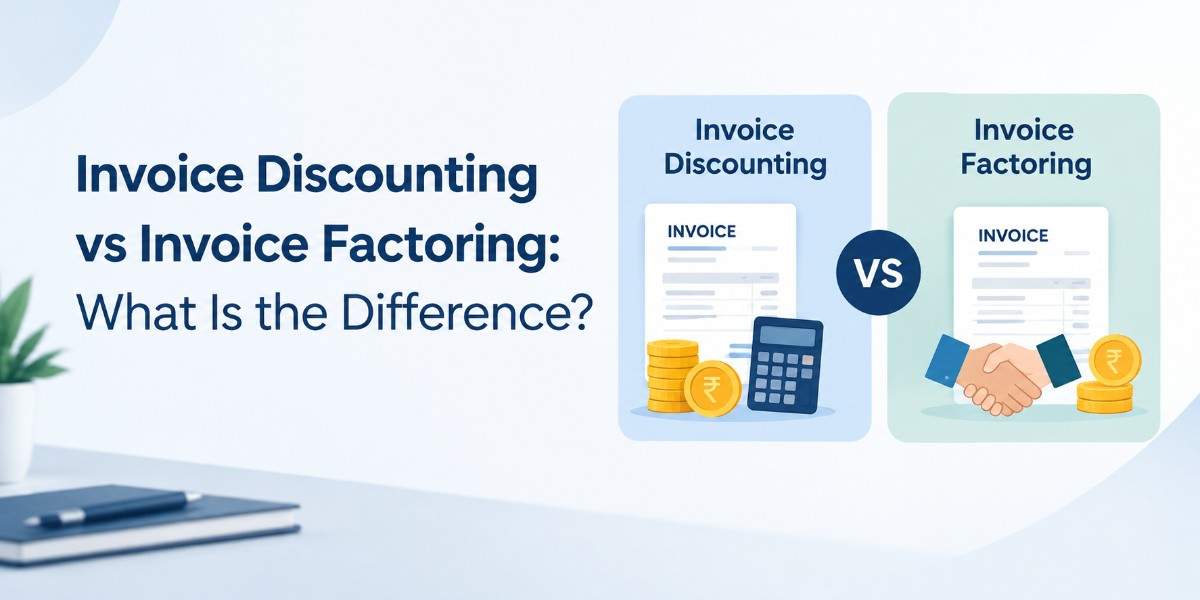
For short-term liquidity needs, lines of credit, overdrafts, or invoice discounting may be more appropriate and avoid mortgaging property.
Equity and co-investment
Equity financing or partnering with investors reduces repayment pressure but dilutes ownership and may change governance dynamics. Suitable where growth prospects justify external ownership.
Practical Steps Before Applying
Assess cash flow resilience
Model expected repayments against conservative revenue scenarios to evaluate ability to service a secured loan if business revenues dip.
Seek formal information and counselling
Independent financial counseling, business development centres, or small business agencies can clarify options and regulatory requirements. Official resources such as the U.S. Small Business Administration provide guides on loan types and borrower rights (SBA).
Compare lenders and terms
Review effective interest rates, fees, prepayment terms, and legal covenants. Confirm valuation procedures and what happens in a default scenario under local law and banking regulation.
Conclusion
LAP for Women Entrepreneurs can be a viable route to larger, longer-term financing when business plans and cash flows support secured borrowing and the risks of pledging property are understood. A careful comparison of alternatives, attention to documentation, and consultation with financial or legal advisers or recognized small-business support agencies can help align funding choices with entrepreneurial goals.
FAQ: What is LAP for Women Entrepreneurs and related questions
What does LAP for Women Entrepreneurs mean in practice?
It means using property as collateral to obtain a loan intended to support business needs; terms, eligibility, and protections depend on lender policies and national regulation.
Is a Loan Against Property safer than other business loans?
From a lender perspective, LAP is lower risk due to collateral, which can translate into lower rates. For the borrower, it carries higher personal risk because property can be repossessed on default.
What alternatives exist if property collateral is not desirable?
Alternatives include unsecured business loans, microfinance, invoice financing, lines of credit, or equity options. Government-backed programs for women entrepreneurs may provide targeted support without requiring property as collateral.
How can women entrepreneurs evaluate if LAP is appropriate?
Evaluate projected cash flows, compare costs and terms across options, consider the risk of using property as security, and consult trusted business support organizations or regulators for local guidance.
Where can authoritative guidance be found?
National small business agencies, central bank guidance, and recognized institutions like the Small Business Administration provide information on loan types, borrower rights, and regulatory protections.