Laser Fat Reduction Longevity in Dubai: Typical Results and How to Maintain Them
-
- February 23rd, 2026
- 1,178 views

FREE SEO Topical Map Generator: Find Your Next Content Ideas
Laser fat reduction is a popular non-surgical body-contouring option in Dubai, offering targeted reduction of localized fat deposits. Understanding how long laser fat reduction lasts helps set realistic expectations and plan maintenance to preserve results.
- Visible results usually appear within 4–12 weeks after a treatment course; full results can take several months.
- Many forms of laser and energy-based lipolysis remove or damage fat cells; remaining cells can expand if weight is gained.
- Longevity depends on treatment type, number of sessions, body area, lifestyle, and individual biology.
- Maintenance includes weight management, exercise, and occasional touch-ups; choose licensed clinics regulated by local health authorities.
How long does laser fat reduction last?
Typical durability of results
Many laser fat reduction procedures target and permanently reduce the number of fat cells in the treated area. When fat cells are destroyed and removed by the body, those specific cells do not return. However, overall longevity varies: for most patients, visible improvements remain long-term provided body weight is maintained. If overall weight increases after treatment, remaining fat cells can enlarge and reduce the apparent durability of results.
Timeline for seeing results
Initial changes are often noticeable within 2–6 weeks, with more substantial contouring evident by 8–12 weeks. Full remodeling and the final contour may take up to 3–6 months after a series of treatments, depending on the device and individual metabolism.
Factors that affect how long results last
Type of procedure and energy device
Procedures described as laser fat reduction include several technologies: low-level laser therapy, laser-assisted lipolysis, radiofrequency, and other energy-based devices. Minimally invasive laser-assisted lipolysis (where a small cannula and fiber are used) typically removes more fat per session than non-invasive surface lasers, and outcomes can differ in durability because of the amount of fat removed.
Number of sessions and treatment protocol
Many non-invasive protocols require multiple sessions spaced weeks apart. A complete treatment course increases the chance of durable results. Single-session approaches often produce subtler changes and may require maintenance sessions.
Patient-specific factors
Age, genetics, hormonal status, distribution of body fat, and lifestyle influence outcomes. Areas with dense fat stores or poor skin elasticity may show less dramatic long-term improvement without complementary measures.
Common types of body-contouring treatments offered in Dubai
Non-invasive energy-based treatments
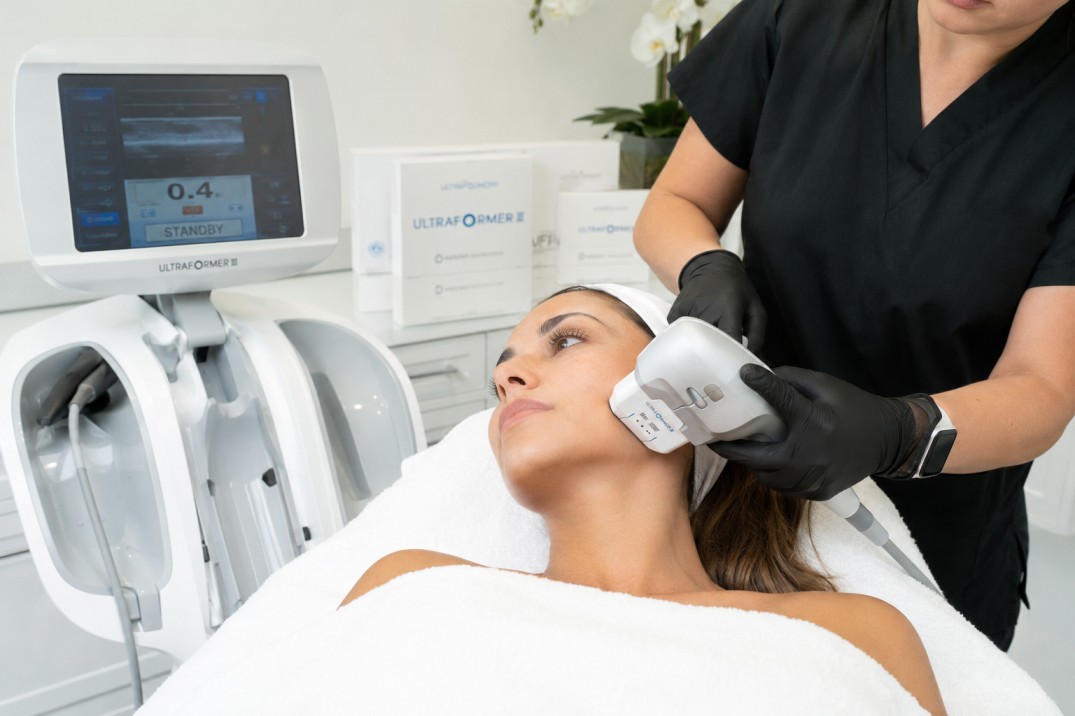
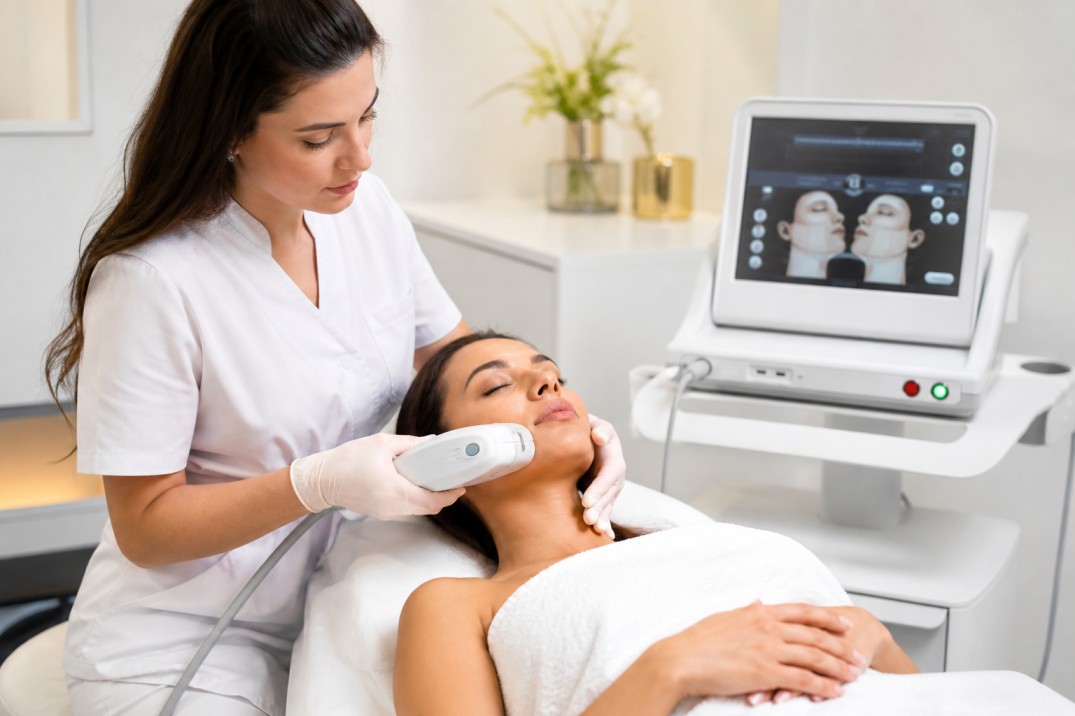
These include surface lasers, radiofrequency, ultrasound, and cryolipolysis alternatives. They aim to damage fat cells or tighten skin without incisions. Results are gradual and often require a treatment series.
Minimally invasive laser-assisted lipolysis
Also known as laser lipolysis, this uses a small probe to deliver energy beneath the skin to melt fat and promote skin contraction. It typically produces more immediate contour changes than surface-only treatments.
Surgical liposuction
Liposuction remains the most definitive way to remove larger volumes of fat. It is a surgical option and is regulated differently from non-surgical treatments; longevity is high if weight is stable, but risks and recovery differ.
Maintenance strategies to extend results
Lifestyle and weight management
Maintaining a stable weight through balanced nutrition and regular physical activity is the primary factor in preserving contouring results. Because treated fat cells are reduced in number, maintaining weight prevents enlargement of remaining cells and helps sustain the visual effect.
Follow-up and touch-ups
Some patients benefit from occasional maintenance sessions—often annually or once every few years—depending on how the body responds and on individual goals.
Skin tightening and complementary therapies
Options such as radiofrequency skin tightening, targeted exercise, and manual therapies may improve contour and skin firmness over time, enhancing long-term satisfaction.
Choosing a provider and regulatory considerations
Credentials and clinic standards
Select clinics and practitioners with appropriate medical credentials, documented experience with the chosen technology, and clear pre- and post-treatment protocols. In Dubai, clinics should comply with local licensing and regulation to ensure safety and quality of care.
Regulation and safety
Regulatory oversight helps protect patients. For information on licensed healthcare facilities and regulations in Dubai, consult the Dubai Health Authority's official guidance and listings: Dubai Health Authority. Academic studies and reviews in medical journals can provide additional evidence on device performance and long-term outcomes.
Risk, downtime and expectations
Side effects and recovery
Non-surgical laser and energy-based procedures usually involve minimal downtime—common temporary effects include redness, swelling, numbness or bruising at the treatment site. Minimally invasive procedures may require local anesthesia and brief recovery. Complications are uncommon when treatment is performed by qualified providers.
Setting realistic expectations
Laser fat reduction is intended for localized contouring rather than weight loss. Discuss realistic goals, expected timelines, and maintenance plans with a qualified provider before starting treatment.
Frequently asked questions
How long does laser fat reduction last in Dubai?
Results can last for years when body weight is maintained. Fat cells destroyed by treatment do not regenerate, but remaining cells may enlarge with weight gain, affecting appearance. Many patients see durable improvement provided a stable weight and healthy lifestyle are maintained.
Is one treatment enough to get lasting results?
Most non-invasive protocols require multiple sessions for optimal results. Minimally invasive laser-assisted lipolysis may achieve more pronounced change in fewer visits. The treatment plan should be individualized.
Are the results permanent?
Fat cell removal is permanent in the treated area, but overall permanence depends on maintaining a stable weight. Ongoing lifestyle measures and occasional touch-ups help preserve contouring results.