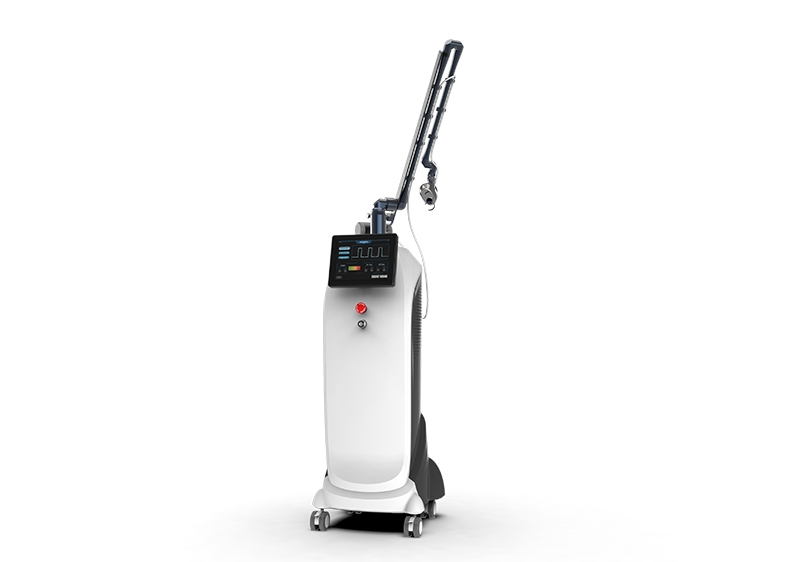
Laser Hair Removal in Riyadh: Complete Guide to Clinics, Safety, and Results
-
- Published Updated
- 1,559 views
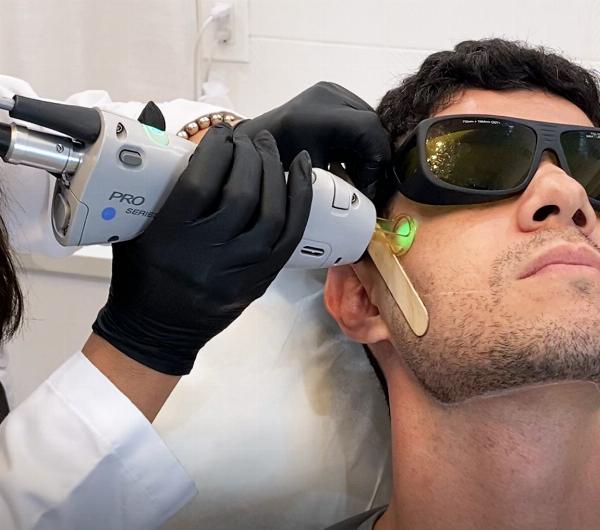
Laser hair removal in Riyadh is a common cosmetic service offered across dermatology centers and medical aesthetic clinics. This guide summarizes the main laser technologies, what to expect during a series of treatments, how clinics are regulated, and practical considerations for choosing a safe provider.
- Multiple laser types (diode, Alexandrite, Nd:YAG) are used; suitability depends on skin tone and hair color.
- Treatments usually require multiple sessions spaced weeks apart for lasting reduction.
- Look for licensed practitioners, appropriate cooling systems, and clear pre/post-care instructions.
- Regulatory bodies such as the Saudi Ministry of Health and the Saudi Food and Drug Authority oversee practice standards and device approvals.
What to expect from laser hair removal in Riyadh
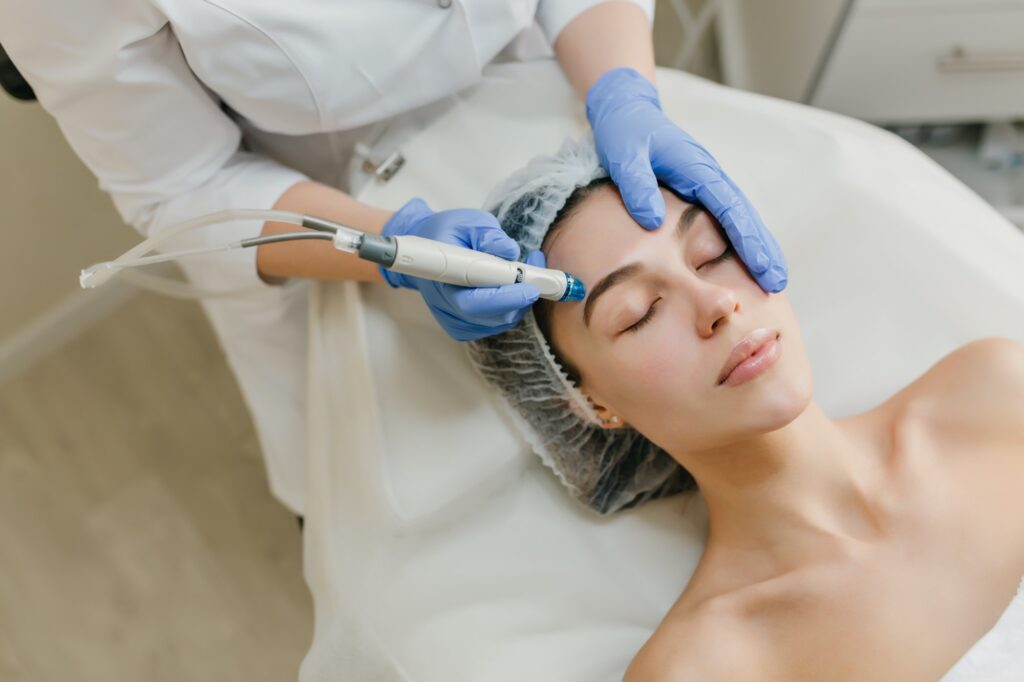
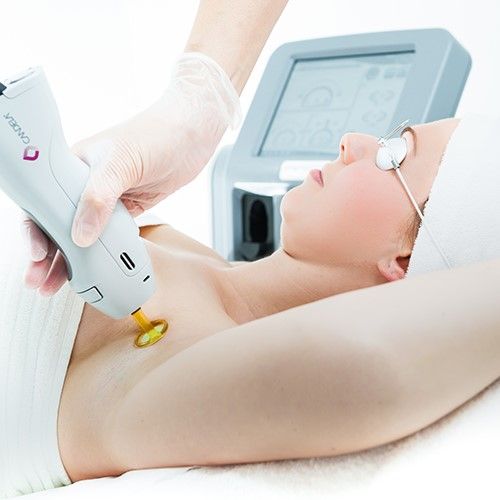
An initial consultation typically assesses skin type using the Fitzpatrick scale, hair thickness, and medical history to determine a treatment plan. Expect a patch test in many clinics to confirm laser settings and skin response. Sessions usually last from a few minutes for small areas to an hour for larger areas such as full legs or back. After each session some redness or mild swelling may occur, and protective measures such as sunscreen and avoiding heat exposure are generally recommended.
Common laser types and suitability
Diode laser
Diode lasers are commonly used for a range of skin tones and are known for penetrating deeply to target hair follicles. They are often selected for thicker hair and larger treatment areas.
Alexandrite and Nd:YAG lasers
Alexandrite lasers have a shorter wavelength suited to lighter skin tones with dark hair, while Nd:YAG lasers have longer wavelengths that are safer for darker skin tones. Many clinics maintain multiple laser types to tailor treatment to individual needs.
Cooling systems and safety features
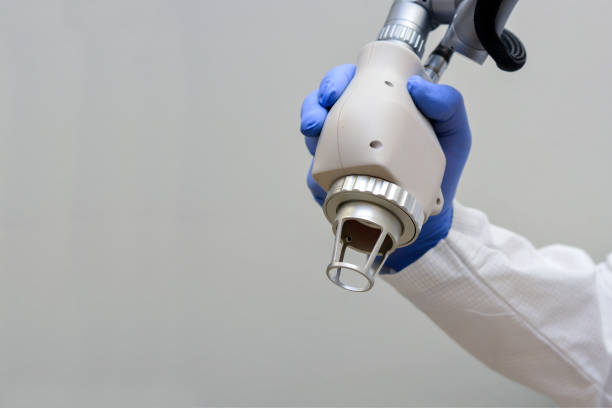
Modern systems include contact cooling, cryogen spray, or air cooling to protect the epidermis and improve comfort. Safety features and staff training help reduce the risk of burns, pigment changes, or scarring.
Choosing a clinic in Riyadh
Credentials and practitioner qualifications
Choose clinics where treatments are administered or supervised by licensed physicians or certified laser technicians. Confirm credentials, ask about training, and request to see before-and-after photos for similar skin types.
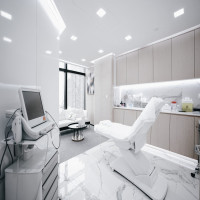
Clinic environment and device information
Evaluate cleanliness, infection control practices, and whether the facility provides written treatment plans and informed consent. Ask which laser device is used and whether it is approved by local regulators such as the Saudi Food and Drug Authority.
Treatment process, sessions, and recovery
Number of sessions and intervals
Hair grows in cycles, so most people require multiple sessions (commonly 4–8) spaced 4–12 weeks apart depending on the treated area. Maintenance sessions may be needed for long-term reduction.
Preparation and aftercare
Typical pre-treatment advice includes avoiding sun exposure, not plucking or waxing before a session, and shaving the area 24–48 hours prior when directed. Aftercare often includes cooling, avoiding hot baths or intense exercise for 24–48 hours, and regular sunscreen application to reduce the risk of pigment changes.
Costs, packages, and realistic results
Costs vary by clinic, treatment area, device type, and number of sessions. Many providers offer package pricing for multiple sessions. Results often reflect hair color, thickness, and hormonal factors; darker, coarser hair usually responds better. Discuss expectations with a practitioner and ask about payment terms and follow-up policies.
Safety, regulation, and trusted guidance
Regulatory oversight in Saudi Arabia includes the Ministry of Health and the Saudi Food and Drug Authority, which issue device approvals and practice regulations. Local public health resources and professional medical associations provide guidance on safe practice. For official guidance and regulatory information, refer to the Saudi Ministry of Health website: https://www.moh.gov.sa.
Common considerations and potential side effects
Possible short-term effects
Short-term effects can include erythema (redness), temporary swelling, or mild discomfort at the treatment site. These are commonly transient and resolve within days.
Long-term and less common risks
Less common risks include pigmentary changes (hyperpigmentation or hypopigmentation), scarring, or paradoxical hair growth in treated areas. Proper device selection, conservative settings for darker skin tones, and experienced operators help reduce these risks.
Practical tips for first-time patients
- Document the consultation details and recommended session schedule in writing.
- Follow pre-treatment skin care and sun avoidance instructions closely.
- Ask about patch testing, device model, and cooling methods used during treatment.
- Keep follow-up appointments and report any unexpected reactions promptly.
Frequently asked questions
How much does laser hair removal in Riyadh cost?
Costs depend on the treatment area, number of sessions, and clinic reputation. Request a detailed quote that includes the number of sessions, any package discounts, and potential follow-up fees to compare options accurately.
Is laser hair removal suitable for all skin types?
Many modern lasers are designed to treat a wide range of skin types, but suitability depends on individual skin tone and hair color. A qualified practitioner will assess the best laser option, settings, and safety precautions for each case.
How long do results typically last?
Laser hair removal provides long-term hair reduction, but results vary. Some people experience permanent reduction, while others require periodic maintenance. Hormonal factors and hair follicle behavior influence long-term outcomes.
What should be done if a reaction occurs after treatment?
If an unexpected reaction occurs, contact the clinic promptly for assessment. Serious or persistent signs such as spreading redness, blistering, or severe pain should be evaluated by a medical professional. Keep records of the treatment and any post-care steps followed.
How to verify a clinic's regulatory compliance?
Confirm that the clinic and its devices comply with local regulations by checking registrations, practitioner licenses, and device approvals with national authorities and requesting documentation during the consultation.