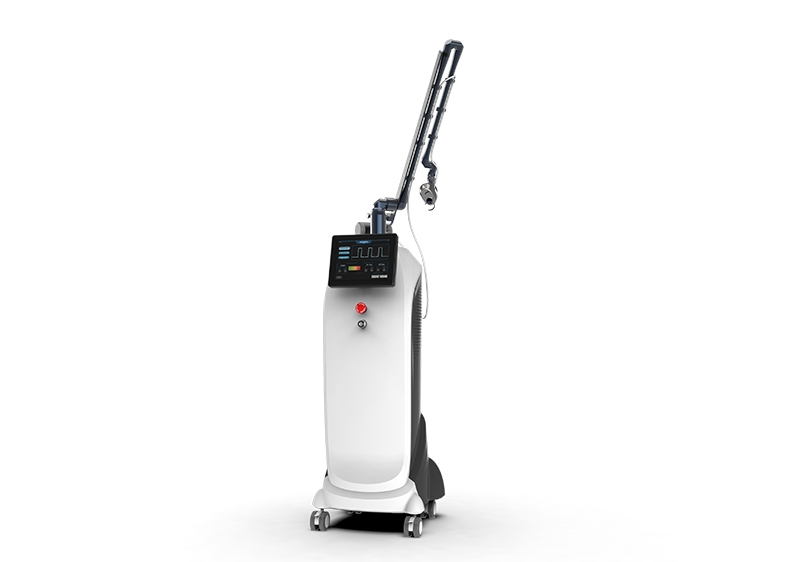
Complete Guide to Laser Hair Removal in Riyadh: Costs, Clinics, and What to Expect
-

- Published Updated
- 3,144 views
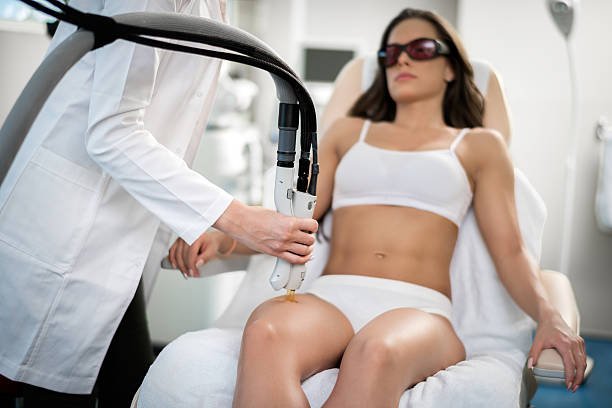
Considering laser hair removal in Riyadh is a common step for people seeking longer-lasting hair reduction. This guide explains how laser hair removal works, typical treatment plans, device types, safety and regulation, cost factors, and practical tips for choosing a licensed clinic in Riyadh.
- Laser hair removal reduces hair growth by targeting pigment in hair follicles; multiple sessions are usually required.
- Device types include diode, Alexandrite, and Nd:YAG lasers; suitability depends on skin type and hair color.
- Choose clinics with licensed dermatologists or trained laser technicians, appropriate devices, and clear safety protocols.
- Costs and session counts vary; expect consultations, patch tests, and aftercare instructions.
laser hair removal Riyadh: overview and how it works
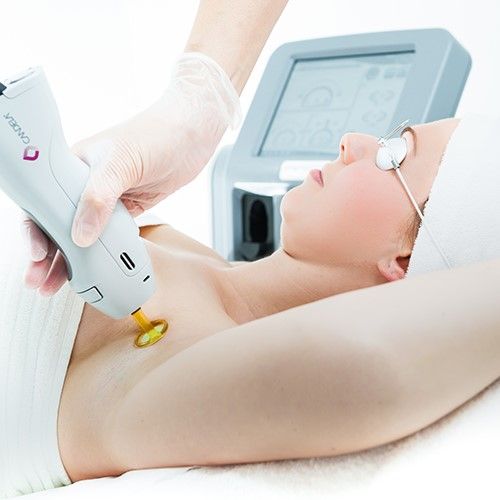
Laser hair removal uses concentrated light to heat and damage hair follicles, reducing hair growth over time. Treatment is sometimes called photoepilation. Effectiveness varies with hair color, thickness, and skin type; darker, coarser hair with lighter skin often responds most quickly, while multiple treatments are typically needed to target hairs in different growth cycles.
Types of lasers and how they differ
Diode lasers
Diode lasers are commonly used for a range of skin types and are known for delivering high energy with relatively fast treatment times. Many clinics in Riyadh use diode systems for areas like legs, underarms, and bikini lines.
Alexandrite and Nd:YAG
Alexandrite lasers operate at a wavelength effective for lighter skin tones and fine to coarse hair. Nd:YAG lasers penetrate deeper and are often preferred for darker skin tones (higher Fitzpatrick phototypes) because they reduce the risk of pigmentary changes when used correctly.
Choosing a clinic in Riyadh
Credentials and staff
Select a clinic that employs or consults with licensed dermatologists and has technicians trained specifically in laser hair removal. Confirm staff qualifications, laser certification, and familiarity with different skin types and safety protocols.
Equipment and approvals
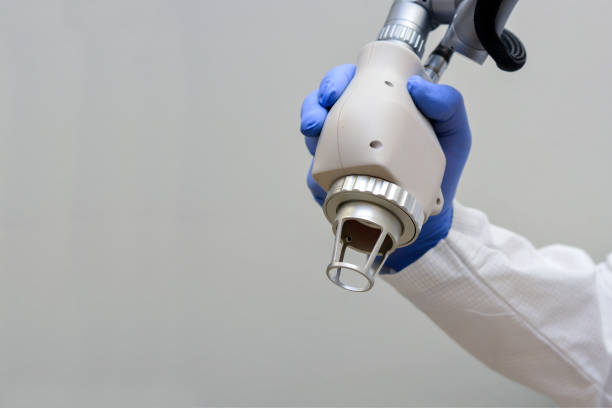
Clinics should use devices cleared for cosmetic use and follow manufacturer guidelines. Look for clinics that document maintenance, offer patch tests, and explain why a particular laser type is recommended. In Saudi Arabia, it is appropriate to verify that clinical devices and practices align with national health guidance from regulatory bodies such as the Ministry of Health.
Costs, session counts, and expected timeline
Typical number of sessions
Most treatment plans require multiple sessions spaced several weeks apart to target hair during different growth phases. A common course is 4–8 sessions, but some people need more or occasional maintenance treatments afterward.
Price ranges and factors
Costs vary by the treated area (face, underarms, full legs, bikini), clinic reputation, laser type, and package deals. Prices may range widely; clinics typically provide an individualized estimate after consultation. Additional factors that affect price include the need for numbing creams, follow-up visits, and combination treatments.
Preparing for treatment and aftercare
Before a session
Clinics usually advise avoiding tanning, sun exposure, and certain topical products before treatment. A patch test is commonly performed to check skin response and set safe device parameters. Shaving the area 24–48 hours before treatment is often recommended so the laser targets the follicle rather than surface hair.
Aftercare and recovery
Aftercare instructions typically include sun protection, avoiding hot baths and strenuous exercise for a short time, and using gentle skin care products. Expect temporary redness or mild swelling in treated areas; if unexpected reactions occur, contact the clinic promptly.
Safety, risks, and regulation
Laser hair removal is widely performed but carries potential side effects such as temporary redness, pigment changes, blistering, or scarring if not performed correctly. Choosing a clinic with proper training, calibrated equipment, and adherence to infection control reduces risks. For information on national health standards and facility regulation in Saudi Arabia, consult the official government health portal: Saudi Ministry of Health. Additional clinical guidance on dermatologic procedures is available from professional bodies such as the American Academy of Dermatology and other academic sources.
Questions to ask during a consultation
- Which laser type will be used and why is it suitable for the skin/hair type?
- What are the clinician’s qualifications and experience with this procedure?
- Is a patch test included and what are the expected costs per session and for packages?
- What pre-treatment and post-treatment instructions should be followed to reduce risk?
- What results and maintenance schedule should be expected, and are before/after photos available?
Common outcomes and realistic expectations
Laser hair removal commonly produces significant hair reduction rather than permanent complete removal for everyone. Results depend on individual factors including hair color and hormonal influences. Some people experience long-lasting reduction, while others require periodic touch-ups.
Final considerations
Research local clinics, verify qualifications, and request a consultation that includes a patch test and clear pricing. Understanding device types, expected session counts, preparation, and aftercare helps set realistic expectations for laser hair removal in Riyadh.
FAQ
How many sessions of laser hair removal Riyadh residents typically need?
Typically 4–8 sessions are recommended, spaced several weeks apart. The exact number depends on hair thickness, color, treated area, and individual response. Some people need maintenance sessions later.
Is laser hair removal safe for darker skin tones?
Laser hair removal can be safe for darker skin when appropriate devices (for example, Nd:YAG lasers) are used and operators are experienced. Careful settings and patch testing reduce the risk of pigment changes.
What should be included in a clinic consultation?
A consultation should review medical history, discuss device selection, include a patch test when appropriate, explain the treatment plan, outline costs, and provide written pre- and post-care instructions.
Are results permanent?
Results vary. Many people experience long-term hair reduction, but complete permanent hair removal is uncommon; hormonal factors can cause new hair growth, and occasional maintenance sessions may be needed.