Laser Hair Removal: Complete Technique, Safety, and Expected Results Guide
-
- February 23rd, 2026
- 1,397 views
Laser hair removal is a clinical technique that uses concentrated light to reduce unwanted hair by targeting pigment in the hair shaft and follicle. The procedure is available in dermatology clinics, medical spas, and some licensed aesthetic settings; understanding how the technology works, the different device types, and safety considerations helps people make informed choices.
- Laser hair removal uses selective photothermolysis to damage hair follicles during the anagen growth phase.
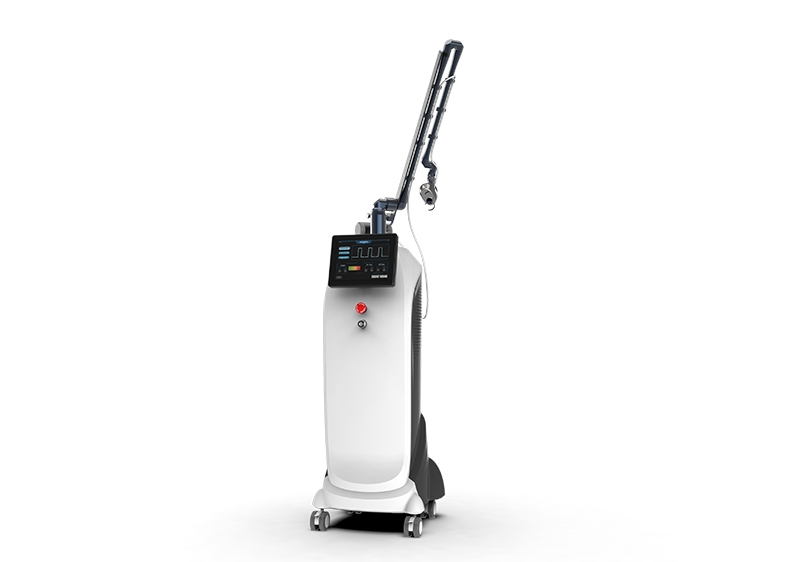
- Common device types include diode, alexandrite, Nd:YAG, and IPL (intense pulsed light; not a true laser).
- Multiple sessions are required; outcomes vary by hair color, skin type (Fitzpatrick scale), and device settings.
- Proper pre-treatment and aftercare reduce complications; licensed providers and adherence to regulator guidance are advised.
How laser hair removal works
The mechanism behind laser hair removal is selective photothermolysis: chromophores (melanin) in the hair absorb light energy, which converts to heat and damages the hair follicle while minimizing injury to surrounding skin. Effective treatment typically targets hairs in the anagen (active growth) phase; because not all hairs are synchronized, most protocols require multiple sessions spaced several weeks apart to capture different growth cycles.
Common device types and how they differ
Diode laser
Diode lasers emit near-infrared light that penetrates deeply, making them commonly used for medium to darker skin types when settings are adjusted. Diode systems are widely used for large areas like legs and back.
Alexandrite laser
Alexandrite lasers operate at a shorter wavelength and are often effective for lighter skin tones with coarse hair. They can deliver rapid pulses, which is useful for larger surface areas on lighter skin.
Nd:YAG laser
Nd:YAG lasers have a longer wavelength that penetrates deeply and is absorbed less by epidermal melanin, making them an option for darker Fitzpatrick skin types. Higher fluence and proper cooling are important to reduce adverse effects.
Intense pulsed light (IPL)
IPL devices produce broad-spectrum light (not a true laser) and can be effective for hair reduction in some cases. IPL systems are variable in performance, and device quality and practitioner training influence outcomes.
Preparing for treatment
Consultation and patch test
A pre-treatment consultation with a qualified practitioner should assess medical history, medications, skin type, and contraindications. A patch test on a small area is standard to evaluate response and risk of pigmentary change.
Pre-treatment instructions
Guidance commonly includes avoiding sun exposure, stopping tanning and certain topical agents, and shaving the area a day or two before treatment (shaving preserves follicular pigment while reducing surface heat). Some medications (photosensitizing drugs) or recent isotretinoin use may preclude treatment.
What to expect during and after a session
During the procedure
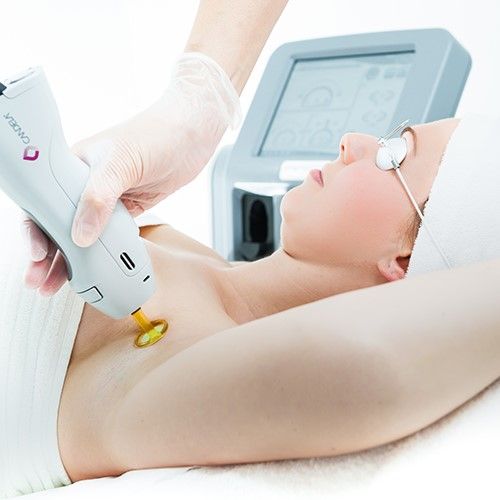
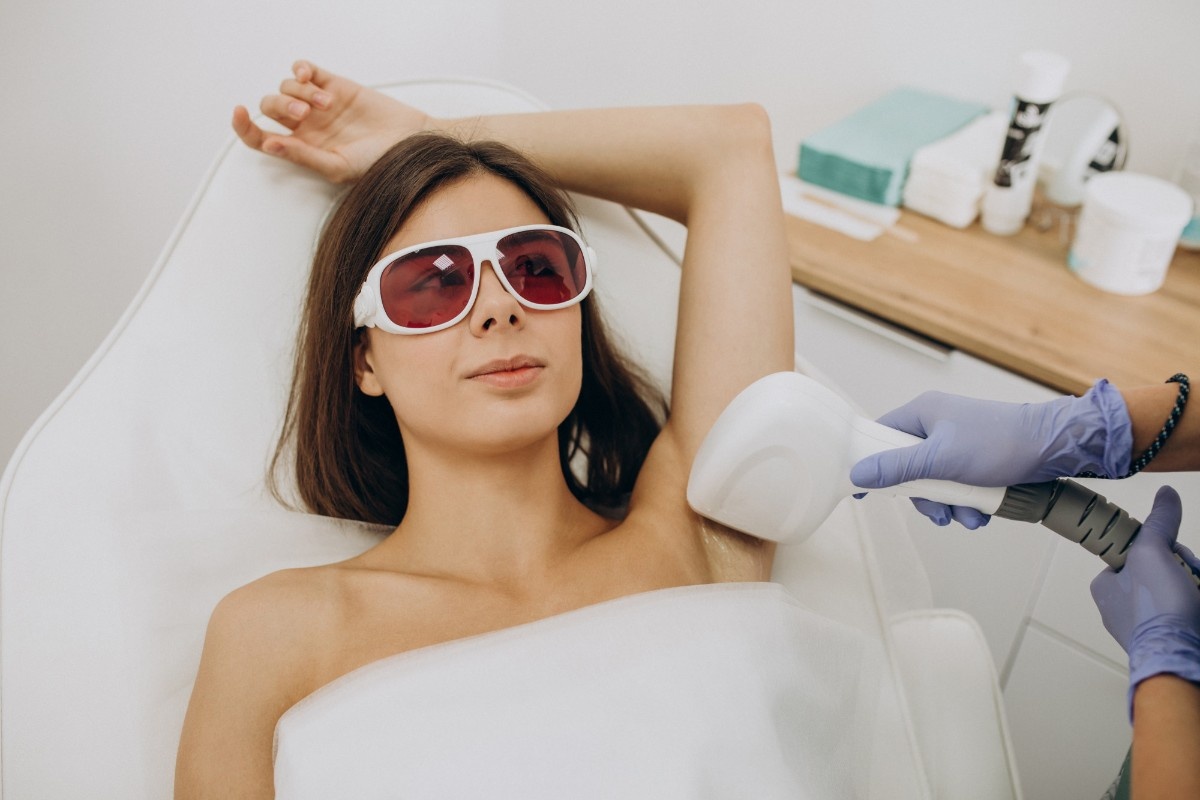
Protective eyewear is used for both patient and operator. Cooling devices (contact cooling, cryogen spray, or chilled air) are often applied to reduce epidermal injury and improve comfort. Sessions can last minutes to an hour depending on area size.
Recovery and results
Mild redness and swelling are common immediately after treatment and typically resolve within days. Hair shedding may occur over several weeks. Most protocols call for 4–8 sessions spaced around 4–12 weeks apart, depending on the treated area and hair growth cycle. Maintenance treatments may be required for long-term control.
Potential risks, side effects, and contraindications
Possible adverse effects include blistering, burns, temporary or permanent pigment changes (hypo- or hyperpigmentation), scarring, and paradoxical hair growth (in rare cases). Risk factors include darker skin types, inappropriate device selection, excessive fluence, or inadequate cooling. Pregnancy is commonly listed as a contraindication in many clinical protocols, and patients should disclose medications and health conditions during consultation.
Safety, regulation, and choosing a provider
Regulatory and professional organizations provide guidance on laser safety and training. In the United States, the Food and Drug Administration (FDA) regulates medical laser devices and offers safety information for consumers. The American Academy of Dermatology (AAD) publishes clinical guidance and resources on cosmetic procedures and skin health. Choosing a licensed practitioner—dermatologist, physician, or a trained clinician operating under medical supervision—reduces risk.
For authoritative consumer information on device safety and safety tips, see the U.S. Food and Drug Administration: FDA laser hair removal safety tips.
Factors that influence effectiveness
Effectiveness depends on hair color and thickness (darker, coarser hair responds best), skin pigmentation, device choice, operator skill, and adherence to treatment schedule. Fitzpatrick skin type classification is commonly used to select wavelengths and settings to balance efficacy and safety.
Aftercare and long-term expectations
Aftercare includes sun avoidance, topical soothing agents as recommended by the provider, and following instructions about skin care and activity restrictions. Long-term hair reduction varies: some people achieve long-lasting reduction while others require periodic maintenance. Records of device type, settings, and session timing help guide future care.
Frequently asked questions
Is laser hair removal permanent?
Laser hair removal is best described as long-term hair reduction rather than guaranteed permanent removal for everyone. Some follicles are permanently damaged, while others may regrow slowly; maintenance sessions are common.
Does laser hair removal work on all skin and hair colors?
Lasers target melanin, so darker hair on lighter skin tends to respond best. Advances in Nd:YAG and diode technologies have improved outcomes for darker skin types, but individual results vary and provider expertise is important to reduce risks like pigmentary changes.
How many sessions are typically needed for effective laser hair removal?
Most treatment courses require multiple sessions—commonly 4–8—scheduled to match hair growth cycles. The exact number depends on treatment area, hair and skin characteristics, and device used.
Can laser hair removal cause scarring or skin darkening?
Scarring and pigment changes are possible but uncommon when performed by qualified providers using appropriate settings and cooling. Prompt management of any adverse reaction and following post-treatment advice help reduce complications.
What is the recommended way to choose a clinic or practitioner for laser hair removal?
Choose a clinic with licensed staff, transparent information about device types and settings, documented training, clear pre/post instructions, and a policy for patch testing and follow-up care. Consultation with a board-certified dermatologist can be considered for complex skin conditions or prior adverse events.
Does laser hair removal hurt?
Discomfort levels vary by device, area treated, and pain threshold. Many systems include cooling methods and topical anesthetics may be used when needed to improve comfort.