Laser Lifts Riyadh: Complete Guide to Eyelid Rejuvenation and Clinic Selection
-

- February 23rd, 2026
- 1,375 views
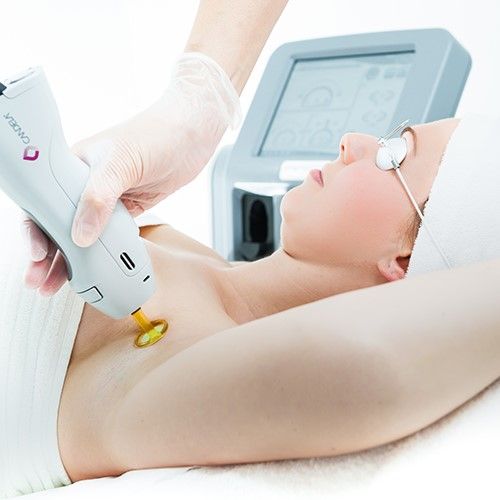
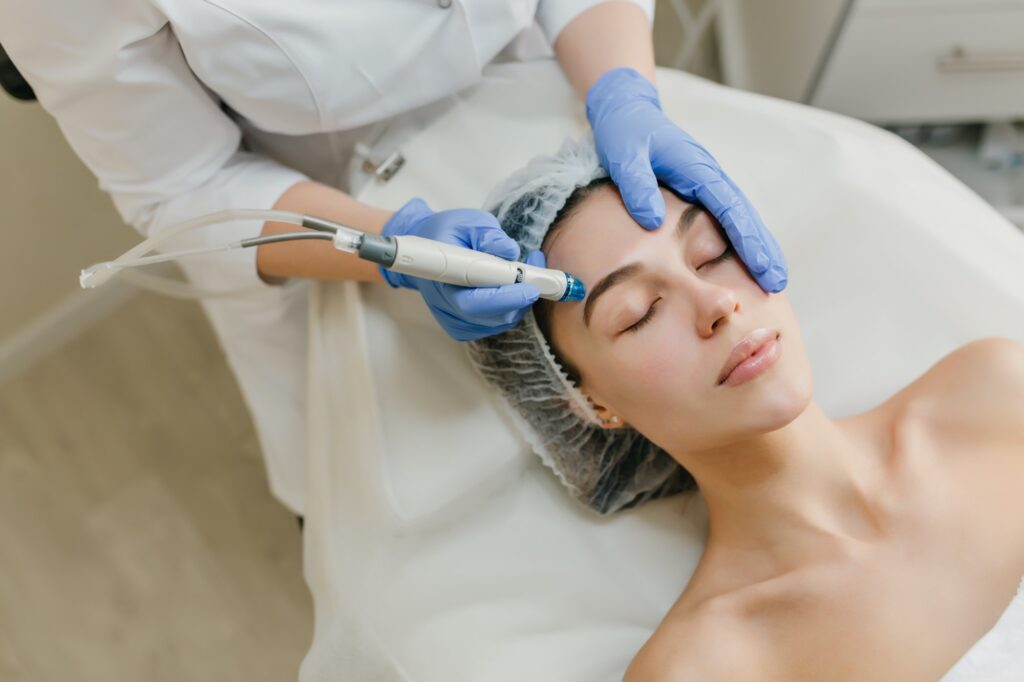
Interest in laser lifts Riyadh has grown as non-surgical eyelid rejuvenation options become more available in the city. Laser lifts use targeted laser energy to tighten skin, reduce mild eyelid laxity, and refresh the area around the eyes without an incision. Information about how the procedure works, local regulation, and realistic outcomes helps people weigh options safely.
- Laser lifts are minimally invasive treatments for mild upper and lower eyelid aging often offered in Riyadh clinics.
- They are not a substitute for formal blepharoplasty (surgical eyelid lift) when excess fat or heavy skin is present.
- Regulation of laser devices and clinic accreditation is important; verify licensing and practitioner credentials.
- Recovery is generally short, but outcomes and risks vary based on device type and patient factors.
How laser lifts work and common techniques
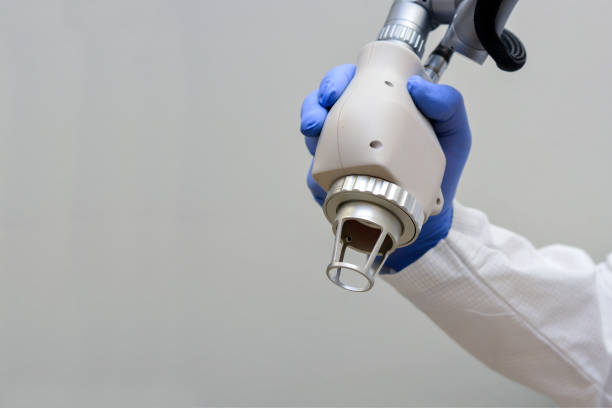
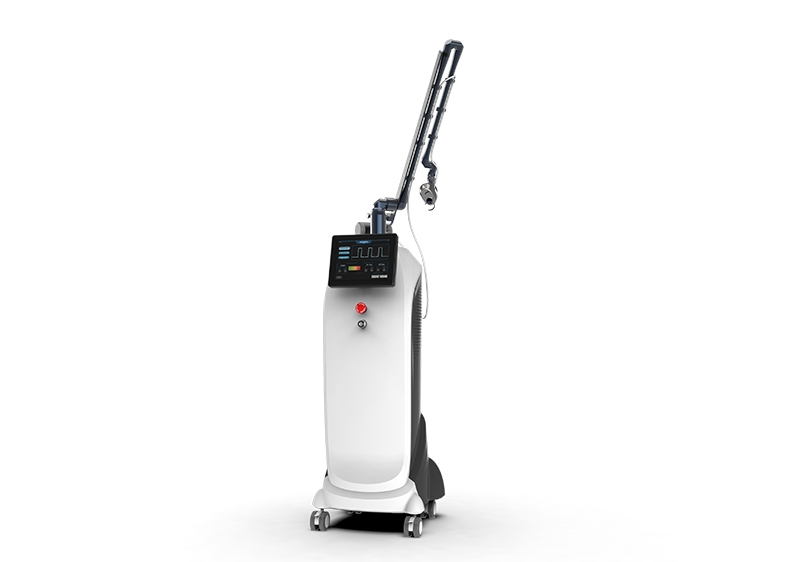
Laser lifts apply controlled thermal energy to the eyelid skin and underlying connective tissue to stimulate collagen remodeling and mild skin contraction. Techniques vary by device—ablative lasers remove microscopic layers of tissue to resurface skin, while non-ablative lasers heat deeper tissue without vaporizing the surface. Radiofrequency-based devices and intense pulsed light (IPL) are separate modalities that target similar signs of aging through different energy sources.
Laser Lifts Riyadh: Safety, regulation, and quality checks
Safety for laser lifts depends on device quality, operator training, and pre-procedure assessment. Local regulation of medical devices and clinical services in Saudi Arabia is overseen by national authorities; patients may consult the Saudi Ministry of Health for guidance on licensed clinics and permitted interventions. When considering a provider, confirm that the facility is licensed, that the practitioner is credentialed in oculoplastic or dermatologic procedures, and that the clinic follows infection-control and emergency protocols. Peer-reviewed studies in ophthalmic plastic surgery journals describe both benefits and complications of periorbital laser treatments; these sources emphasize careful patient selection and conservative settings for fragile eyelid skin.
For general information on healthcare facility standards in Saudi Arabia, check the ministry website: Saudi Ministry of Health.
Who is an appropriate candidate?
Appropriate candidates typically have mild eyelid skin laxity, fine lines, or pigmentation concerns without large excess skin folds or substantial fat prolapse. Laser lifts are often chosen by people seeking subtle rejuvenation with reduced downtime compared with surgical blepharoplasty. Contraindications can include active eyelid infections, certain inflammatory skin conditions, recent isotretinoin use, and uncontrolled medical conditions. A qualified specialist should perform an evaluation, including eyelid and ocular surface assessment, before offering treatment.
What to expect during treatment and recovery
Treatment session
Procedures are typically performed under topical anesthesia or local cooling. Session length varies from 15 minutes to an hour depending on the area treated and the device. Most clinics outline pre-treatment instructions, such as avoiding photosensitizing medications.
Recovery and typical side effects
Mild redness, swelling, crusting, and temporary increased sensitivity are common and usually resolve within days to two weeks. More significant complications—such as scarring, pigment changes, or eyelid malposition—are uncommon when treatments are delivered by experienced practitioners but can occur. Follow-up care often includes topical agents, sun protection, and scheduled review visits to monitor healing.
Choosing a clinic in Riyadh
Select a clinic that provides transparent information on practitioner training, offers before-and-after photos with appropriate consent, and outlines device manufacturer and model when asked. Verify that consultations include a full eye exam or referral to an eye specialist if concerns about eyelid function or ocular surface health exist. Seek clinics that document informed consent and explain alternative options, including surgical blepharoplasty when indicated.
Costs and availability
Costs vary widely based on the device, provider experience, and number of sessions required. Non-surgical laser treatments often require a series of sessions for optimal results. Clinics in Riyadh may offer package pricing; request a written estimate and a clear explanation of what follow-up care is included.
Evidence and realistic expectations
Clinical studies suggest modest improvements in skin texture and laxity after non-ablative laser or light-based periorbital treatments, while ablative resurfacing can provide more dramatic surface renewal at the cost of longer recovery. Results depend on baseline anatomy, skin type, and adherence to post-procedure care. For significant drooping or fat-related bulges, surgical options remain the more definitive treatment.
Frequently asked questions
Are laser lifts Riyadh procedures safe for all skin types?
Safety varies by skin type and the specific device. Darker skin tones carry a higher risk of pigment changes with some lasers, so devices and settings should be selected carefully. A consultation with a provider experienced in treating the full range of skin tones is recommended.
How long do results from a laser lift last?
Longevity depends on treatment type and individual aging processes. Non-ablative treatments may require maintenance sessions every 6–18 months, while ablative approaches can offer longer-lasting surface renewal but do not stop natural aging.
What are the main differences between laser lifts and surgical blepharoplasty?
Laser lifts are less invasive and often have shorter recovery but are best for mild to moderate skin changes. Surgical blepharoplasty removes excess skin and fat and can correct structural eyelid issues; it provides more dramatic and long-lasting results for advanced changes.
How to verify practitioner credentials in Riyadh?
Ask to see medical licensing, board or specialty training in ophthalmology or dermatology, and clinic accreditation. Confirm the clinic’s registration with relevant Saudi health authorities and request details about device manufacturer training for the operator.
When should a surgeon or specialist be consulted instead of a laser treatment?
Consultation with an oculoplastic surgeon or qualified specialist is advisable when excess eyelid skin causes vision obstruction, there is significant fat prolapse, or if eyelid function is affected. Specialists can outline both non-surgical and surgical options based on clinical findings.
For medical guidance tailored to an individual situation, consult a licensed healthcare professional. Regulatory standards and best practices may change; refer to national health authorities and professional societies for the most current recommendations.