Effective Lawn Service Little Elm Solutions for Healthier Residential Landscapes
-
- September 15th, 2026
- 1,926 views
Introduction
A healthy residential lawn can change the entire appearance of a property. However, keeping grass green, evenly trimmed, and free from common landscape problems takes more than occasional watering or mowing. Seasonal weather, soil conditions, foot traffic, weeds, and changing grass needs all influence how a yard looks throughout the year.
Choosing the right lawn service Little Elm approach can help homeowners stay ahead of these challenges. A well-planned routine combines mowing, watering, soil care, landscaping improvements, and seasonal maintenance to create an outdoor space that remains attractive without becoming difficult to manage.
Why a Well-Maintained Lawn Matters
The lawn is often one of the largest visible areas of a residential property. When grass becomes overgrown, thin, or uneven, even a well-maintained home can appear neglected. On the other hand, healthy turf creates a cleaner transition between the house, garden beds, walkways, and other outdoor features.
Good lawn maintenance also has practical value. Regular attention can help identify developing problems before they become expensive or difficult to correct.
Homeowners should pay attention to:
- Bare or thinning patches
- Areas where water collects
- Excessive weed growth
- Compacted soil
- Grass that turns brown unusually quickly
These signs do not always mean the entire lawn needs to be replaced. Sometimes a targeted adjustment to watering, mowing, soil preparation, or fertilization can make a noticeable difference.
Building a Lawn Plan Around the Property
Not every yard should be maintained in exactly the same way. Sun exposure, drainage, soil quality, grass type, shade from trees, and how the space is used all affect the appropriate maintenance routine.
A front lawn with full sunlight may have very different requirements from a shaded backyard where children or pets regularly play. Instead of following a generic schedule, homeowners can start by observing how their property behaves throughout the seasons.
Assess the Yard Before Making Changes
A basic property assessment can reveal where improvements will have the greatest impact.
Consider:
- Which areas receive full sun?
- Where does water drain after heavy rain?
- Are some sections shaded for most of the day?
- Which areas experience the most foot traffic?
- Are there compacted or exposed sections of soil?
This information helps homeowners avoid spending money on improvements that do not address the actual cause of a lawn problem.
The Role of Regular Lawn Mowing
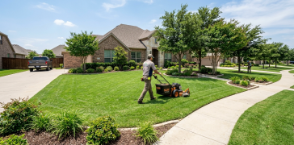
Lawn mowing is one of the most visible parts of routine yard care, but mowing correctly involves more than keeping grass short. Cutting too much at once can place unnecessary stress on turf, while allowing grass to become excessively tall can make the next mowing session more difficult.
A consistent schedule helps maintain a more even appearance and reduces the need for aggressive cutting.
Mowing practices should take into account:
- Current grass growth
- Seasonal weather
- Mower blade condition
- Appropriate cutting height
- Moisture levels in the lawn
Sharp mower blades create cleaner cuts. Dull blades can tear grass instead, leaving ragged ends that may make turf look less healthy.
Watering Without Wasting Resources
Water management is another important part of maintaining a residential landscape. More water is not automatically better. Overwatering can create its own problems, while insufficient moisture can leave grass stressed and vulnerable.
The best watering approach depends on the lawn, soil, weather, and season. Homeowners should pay attention to how quickly water disappears into the soil and whether certain areas remain wet longer than others.
Early-day watering is often practical because it gives moisture time to reach the root zone before the strongest daytime heat. Irrigation systems should also be checked regularly for broken heads, blocked nozzles, and areas receiving too much or too little water.
Improving the Soil Beneath the Grass
Healthy turf starts below the surface. If soil becomes heavily compacted, grass roots may struggle to receive sufficient air, water, and nutrients.
Compaction can be particularly noticeable in areas that receive regular foot traffic. Over time, repeated use can compress the soil and make it harder for water to move into the root zone.
Depending on the condition of the property, useful soil improvements may include aeration, appropriate organic matter, or correcting drainage problems.
Look Beyond the Grass Blades
A lawn can appear reasonably healthy on the surface while still having underlying soil problems. Signs such as shallow roots, standing water, or repeated dry patches may indicate that the issue needs to be addressed below the grass line.
Understanding the soil helps homeowners make more informed decisions about future lawn improvements.
When Sod Installation Makes Sense
Some lawns reach a point where repairing individual patches is no longer the most practical solution. Severe damage, extensive bare areas, construction activity, or poor existing turf may make replacement worth considering.
Sod installation provides an established layer of grass that can create a finished appearance much faster than starting entirely from seed. However, preparation is critical. Installing sod over compacted, uneven, or poorly prepared soil can limit the results.
Before installation, the area should be evaluated and prepared appropriately. The surface needs to be reasonably level, and drainage concerns should be addressed before new turf is placed.
Once sod has been installed, watering and early care are especially important while the grass establishes roots in its new environment.
Adding Landscaping Features That Complement the Lawn
A lawn does not have to stand alone. Thoughtful landscaping can make the entire property feel more organized and purposeful.
Landscape beds, trees, shrubs, pathways, edging, and other features can create visual structure while making different parts of the yard easier to use.
For example, a homeowner might use a defined planting bed to separate a patio from an open lawn. Another property may benefit from trees positioned to provide shade while adding height and visual interest.
Good landscaping should complement the home's architecture and the way residents actually use the outdoor space.
Choosing Plants With Maintenance in Mind
Plant selection has a direct effect on long-term maintenance. Choosing plants simply because they look attractive at a garden center can create problems if they require conditions that the property cannot provide.
Before adding plants, homeowners should consider:
- Available sunlight
- Mature plant size
- Water requirements
- Seasonal appearance
- Proximity to structures and walkways
Plants that naturally suit the property are generally easier to manage than varieties that constantly struggle with unsuitable conditions.
Tree Maintenance Should Be Part of the Plan
Trees provide shade, structure, and character, but they also require attention. Overgrown or poorly positioned branches can interfere with roofs, walkways, utility areas, and other parts of a property.
Regular tree trimming can help manage unwanted growth and maintain the overall appearance of trees. The timing and extent of trimming should depend on the species, condition, location, and specific reason for the work.
Tree work should be approached carefully. Removing too much growth at once can damage a tree rather than improve it. For larger trees or complicated branches, professional assessment is often the safer choice.
How Professional Lawn Services Can Help
Some homeowners enjoy handling basic mowing and seasonal tasks themselves, while others prefer a more consistent maintenance plan. Professional assistance can be useful when a property has several maintenance needs that are difficult to coordinate.
The Grounds Guys of Little Elm can provide professional landscape and lawn services that help homeowners manage routine outdoor maintenance and larger improvement projects. Professional assistance can be especially useful when a yard requires coordinated mowing, seasonal cleanup, landscape care, or other specialized work.
The benefit is not simply saving time. Experienced service providers can also recognize maintenance issues that may be easy to overlook during routine weekend yard work.
Creating a Seasonal Maintenance Routine
A residential lawn changes throughout the year. A task that is useful during one season may be unnecessary or even counterproductive during another.
A seasonal approach can help homeowners stay organized.
During the year, it can be useful to focus on:
- Adjusting mowing frequency as grass growth changes
- Monitoring irrigation during periods of heat or rainfall
- Checking trees and shrubs for damaged growth
- Removing accumulated leaves and debris
- Addressing bare or stressed lawn areas
Rather than waiting until the yard looks neglected, regular seasonal checks allow smaller problems to be handled while they are still manageable.
Common Lawn Care Mistakes to Avoid
Many lawn problems come from simple habits rather than major landscape failures. Homeowners may unintentionally create stress by mowing too aggressively, watering on an unsuitable schedule, or ignoring signs of soil compaction.
Some common mistakes include:
- Cutting grass excessively short
- Using dull mower blades
- Watering automatically without checking soil conditions
- Ignoring drainage problems
- Planting trees too close to structures
- Delaying repairs to damaged irrigation equipment
Another mistake is treating every brown patch as a watering problem. Brown areas can result from pests, disease, soil issues, excessive traffic, poor drainage, or several factors at once.
Identifying the cause before taking action can prevent unnecessary treatments.
Managing High-Traffic Areas
A lawn that looks beautiful but cannot handle normal household activity may not be designed effectively. Paths between a driveway, patio, gate, and backyard naturally receive more traffic than other areas.
Repeated walking can compact soil and wear down grass. Instead of constantly trying to repair the same damaged strip, homeowners may benefit from a pathway or another hardscape solution.
This is where practical landscaping becomes valuable. The goal is not simply to keep every square foot covered with grass. It is to design an outdoor space around how the property is actually used.
Keeping Lawn Care Practical for Busy Homeowners
A good maintenance routine should be realistic. If a homeowner has limited time, a complicated landscape that requires constant attention may eventually become difficult to maintain.
Simplifying the property can sometimes produce better long-term results than adding more features.
A practical yard might include:
- Clearly defined lawn areas
- Low-maintenance planting beds
- Efficient irrigation
- Well-placed trees
- Durable pathways in high-traffic locations
The right balance depends on the homeowner's priorities, available time, and desired appearance.
Long-Term Lawn Improvement Requires Consistency
A healthy lawn is rarely the result of one major improvement. It usually develops through many smaller decisions made consistently over time.
Regular mowing keeps growth manageable. Proper watering supports the root system. Soil care improves growing conditions. Tree and landscape maintenance prevents surrounding features from becoming overgrown.
If a major improvement such as sod replacement is needed, ongoing maintenance afterward is equally important. Even high-quality turf can deteriorate when basic care is neglected.
When to Consider Professional Help
There are situations where professional assistance can make sense. Large properties, extensive lawn damage, difficult tree work, irrigation concerns, and major landscape changes may require equipment or experience that homeowners do not have.
Professional support may be particularly useful when:
- The lawn has widespread damage
- Several landscape areas need coordinated maintenance
- Trees require specialized trimming
- New turf is being installed
- The property needs a complete landscape refresh
A professional can also help homeowners prioritize improvements instead of attempting to fix everything at once.
A Smarter Approach to Lawn Service Little Elm
Effective lawn service Little Elm planning is ultimately about understanding the property and creating a routine that supports its actual needs. There is no single maintenance schedule that works perfectly for every yard.
Homeowners can begin with the basics: understand the soil, observe drainage, maintain appropriate mowing habits, monitor watering, and keep surrounding trees and landscape features under control. From there, larger improvements such as sod installation or redesigned planting areas can be considered when they provide genuine value.
The most successful yards are not necessarily the ones with the most features. They are the ones where the lawn, plants, trees, pathways, and outdoor living areas work together.
Conclusion
A healthy residential landscape comes from thoughtful planning rather than occasional bursts of yard work. Regular mowing, sensible watering, healthy soil, appropriate plant selection, tree maintenance, and timely repairs all contribute to a property that looks cared for throughout the year.
For homeowners evaluating lawn service Little Elm options, the most useful approach is to focus on what the property actually needs. Some yards may benefit from better routine maintenance, while others may require sod installation, improved landscaping, or professional assistance with larger projects.
With consistent care and practical decisions, a residential lawn can become more than an attractive patch of grass. It can provide a comfortable, functional outdoor setting that complements the home and remains easier to manage over the long term.
Frequently Asked Questions
How often should a residential lawn be mowed?
Mowing frequency depends on grass growth, weather, and the season. The goal is to maintain an appropriate height without removing too much of the grass at one time.
Is sod installation suitable for a damaged lawn?
Sod can be a practical option when a lawn has extensive bare areas or poor existing turf. Proper soil preparation and follow-up watering are important for successful establishment.
What does lawn care in Little Elm typically include?
Lawn care in Little Elm can include mowing, edging, seasonal maintenance, watering management, turf care, and other services depending on the property's needs.
When should trees be trimmed?
The appropriate timing depends on the tree species, its condition, and the reason for trimming. Larger or complicated tree work should be evaluated by a qualified professional.
How can I reduce lawn maintenance?
Simplifying planting areas, improving irrigation, using suitable plants, and creating pathways in high-traffic areas can reduce unnecessary maintenance while keeping the property attractive.
Is professional lawn service worth considering?
Professional service can be useful when homeowners have limited time or when a property requires specialized maintenance. It can also help coordinate multiple lawn and landscape tasks into a consistent plan.