LED Light Therapy Explained: How It Works, Uses, and Safety
-

- Published Updated
- 605 views
Introduction: What is LED light therapy and why it matters
Detected intent: Informational
LED light therapy is a non-invasive treatment that uses specific wavelengths of visible and near-infrared light to trigger cellular responses in skin, muscle, and other tissues. This article explains how LED light therapy works, the science behind different wavelengths, common uses (skin rejuvenation, acne, pain relief), safety considerations, and practical protocols for real-world use. The term LED light therapy appears throughout this guide as the primary topic to clarify mechanisms, outcomes, and device choices.
- LED light therapy uses specific wavelengths (commonly red ~630–660 nm and near-infrared ~800–880 nm) to stimulate mitochondrial activity and reduce inflammation.
- Evidence supports benefits for skin repair, wound healing, reduced inflammation, and some pain conditions; results depend on dose, wavelength, and treatment schedule.
- At-home devices can be effective for mild conditions; medical-grade devices are used in clinics. Follow safety guidance and device instructions.
LED light therapy: How it works (mechanisms)
The primary biological effect of LED light therapy is photobiomodulation — light absorption by cellular chromophores (light-sensitive molecules) that triggers a cascade of biochemical changes. In human cells, cytochrome c oxidase in mitochondria is a well-studied chromophore. When it absorbs photons at red and near-infrared wavelengths, mitochondrial respiration can increase, raising ATP production and changing reactive oxygen species (ROS) signaling. These changes promote repair, reduce pro-inflammatory cytokines, and can improve collagen synthesis and circulation.
Key terms and related entities
- Photobiomodulation (PBM)
- Wavelengths (nanometers, nm): red (about 630–660 nm), near-infrared (about 800–880 nm)
- Photon dose, irradiance (mW/cm²), and fluence (J/cm²)
- Mitochondria, cytochrome c oxidase, ATP, ROS
- Clinical endpoints: collagen production, inflammation reduction, pain modulation, wound healing
Common uses and evidence
LED light therapy is used for multiple indications, each with different supporting evidence and practical protocols:
Skin rejuvenation and collagen
Red light (~630–660 nm) has moderate evidence for improving skin texture, reducing fine lines, and stimulating collagen. Studies often report gradual improvements over weeks of repeated sessions.
Acne and inflammation
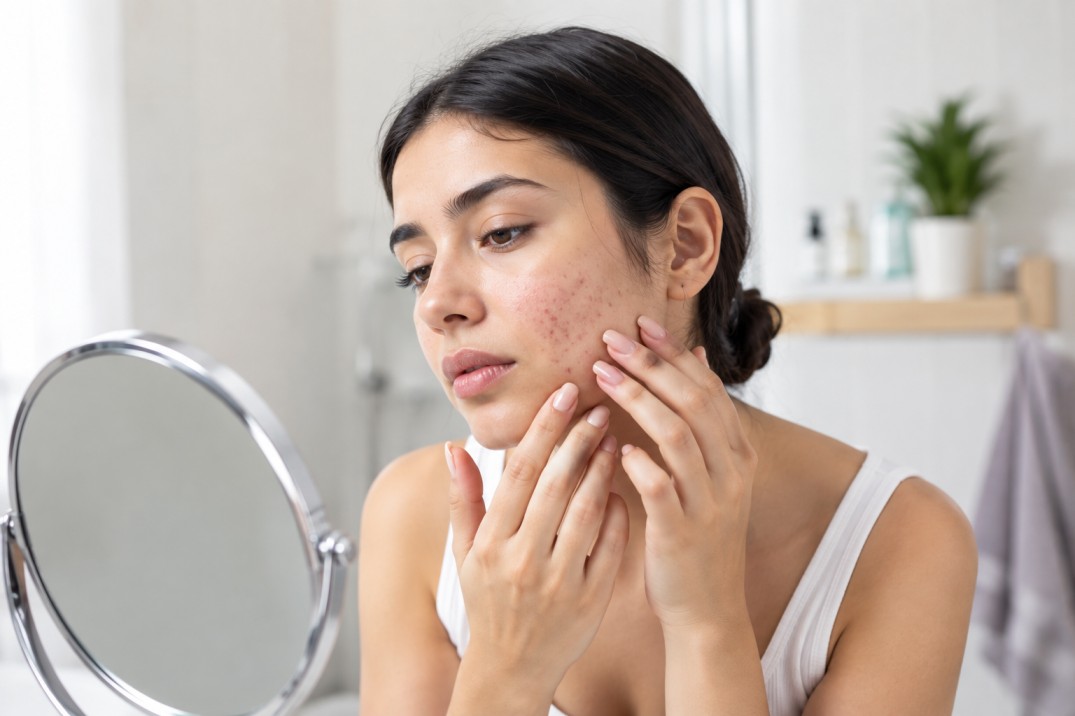
Blue light targets porphyrins produced by Cutibacterium acnes and can reduce acne-related bacteria, while red light reduces inflammation and promotes repair. Combining wavelengths is common in acne protocols.
Pain relief and deeper tissue healing (near infrared)
Near-infrared wavelengths penetrate deeper and are frequently used for musculoskeletal pain, joint inflammation, and wound healing. Clinical trials show benefits in some types of chronic pain and post-surgical recovery.
Devices, doses, and practical protocol factors
Device type (panel, handheld, mask), wavelength, irradiance (power per area), and total dose determine outcomes. Key parameters include session duration, frequency, and distance from the skin.
Named checklist: LED SAFER checklist
Use the LED SAFER checklist before starting a protocol:
- Select wavelength(s) appropriate to the goal (red for skin, blue for acne bacteria, NIR for deep tissue).
- Apply correct irradiance (check device specs in mW/cm²).
- Fluence (total J/cm²) — ensure cumulative energy per session matches clinical ranges.
- Establish a treatment schedule (e.g., 2–5 times per week initially).
- Review safety (eye protection, contraindications, device certifications).
Practical parameters (typical ranges)
- Irradiance: 10–200 mW/cm² depending on device and application
- Fluence: 4–60 J/cm² per session for many skin and pain protocols
- Session frequency: 2–5 times per week; results often appear after 4–12 weeks
Real-world example scenario
Scenario: A person with mild facial photoaging wants to improve skin tone. A clinician suggests a red light protocol: 660 nm wavelength, irradiance ~30 mW/cm², 10 minutes per session delivered 3 times per week. After 8 weeks, measured improvements in skin texture and reduced fine-line appearance are reported. The device used followed manufacturer instructions and the user protected eyes with goggles.
Practical tips for safe, effective use
- Check device specifications for wavelength(s) and irradiance; avoid devices that don’t publish parameters.
- Start with conservative doses and follow a consistent schedule; document skin or symptom changes to adjust parameters.
- Use eye protection when the device or protocol recommends it, especially for near-infrared exposure.
- Avoid LED therapy over areas with active cancer or photosensitizing medication without clinician approval.
Common mistakes and trade-offs
Trade-offs to consider and mistakes to avoid:
- Under-dosing: Too little irradiance or session time produces no clinical effect.
- Over-dosing: Excessively high doses may produce diminishing returns or transient irritation.
- Wrong wavelength: Using blue light for deep tissue pain is ineffective; match wavelength to target tissue depth and mechanism.
- Ignoring device quality: Cheap devices may list wavelength but lack consistent irradiance across the panel.
Safety, regulation, and when to consult a professional
LED light therapy is generally low-risk when used correctly, but differences exist between over-the-counter devices and medical-grade systems. For wound care, significant pain, or complex conditions, consult a licensed clinician. Regulatory bodies such as the U.S. Food and Drug Administration (FDA) provide guidance on medical devices and claims — review official resources when evaluating therapeutic devices. FDA: Skin lasers and IPL devices
Core cluster questions
- How often should LED light therapy be used for skin rejuvenation?
- What is the difference between red light and near-infrared light?
- Can LED light therapy reduce acne and how does blue light work?
- What safety precautions are needed with at-home LED devices?
- How long does it take to see results from LED photobiomodulation?
References and standards bodies
Research and guidance from peer-reviewed journals and regulatory agencies inform best practices in photobiomodulation. Organizations such as the International Commission on Non-Ionizing Radiation Protection (ICNIRP) and national regulators provide safety frameworks for light-emitting devices.
FAQ
What is LED light therapy?
LED light therapy is a treatment that uses controlled wavelengths of light to stimulate cellular processes (photobiomodulation) for skin repair, reduced inflammation, and pain relief. It works through light absorption by chromophores like cytochrome c oxidase, which affects mitochondrial activity and signaling.
Is LED light therapy safe for daily use?
Daily use is sometimes appropriate for short periods, but follow device guidelines. Safety depends on wavelength, irradiance, and total dose. Avoid overexposure and consult a clinician for high-dose or therapeutic protocols.
How long until LED light therapy shows results?
Typical timelines range from 4–12 weeks for skin improvements and several sessions per week for pain relief. Consistency and correct dosing are key to seeing measurable results.
Does LED light therapy help with acne and breakouts?
Yes—blue light can reduce acne-causing bacteria, and red light reduces inflammation and supports healing. Combination protocols are common and effective for many people with mild to moderate acne.
Can anyone use LED light therapy?
Most people can use LED light therapy, but those on photosensitizing medications, with active cancer near the treatment site, or with specific medical implants should consult a clinician before use. Pregnant people should check with a healthcare provider.