Left Upper Quadrant Pain Explained: 20 Possible Causes, Signs, and Next Steps
-

- February 23rd, 2026
- 1,496 views

FREE SEO Topical Map Generator: Find Your Next Content Ideas
Common causes of left upper quadrant pain
Left upper quadrant pain describes discomfort located beneath the left rib cage and above the belly button; this symptom can arise from many structures in the chest and abdomen. The term left upper quadrant pain is used widely in clinical descriptions because organs in that area — including the spleen, stomach, pancreas, part of the colon, left kidney, and lower lung — can produce similar sensations. Identifying the likely source depends on associated signs, recent injuries, and medical history.
- Left upper quadrant pain has many possible causes: abdominal, thoracic, musculoskeletal, and referred pain.
- Common causes include splenic problems, pancreatitis, gastric conditions, kidney issues, and lung-related causes.
- Seek urgent care for severe pain, fever, fainting, difficulty breathing, or signs of internal bleeding.
- Diagnosis may involve physical exam, blood tests, imaging (X-ray, ultrasound, CT), and referral to specialists.
20 potential reasons for left upper quadrant pain
1. Splenic enlargement (splenomegaly)
An enlarged spleen from infection, liver disease, or blood disorders can cause a dull or aching sensation under the left ribs and a feeling of fullness after small meals.
2. Splenic rupture or laceration
Trauma to the left side can cause sudden, severe pain and internal bleeding. This is a medical emergency that may present with low blood pressure and lightheadedness.
3. Splenic infarct
Loss of blood flow to part of the spleen can produce sharp localized pain and sometimes fever; conditions that raise clot risk are possible causes.
4. Pancreatitis (especially tail of pancreas)
Inflammation of the pancreas often causes upper abdominal pain radiating to the back and can be associated with nausea and elevated pancreatic enzymes.
5. Peptic ulcer disease
Ulcers in the upper stomach or lower esophagus may cause burning or gnawing pain in the upper abdomen that can localize to the left side depending on location.
6. Gastritis or stomach inflammation
Irritation of the stomach lining from infection, medications, or alcohol can cause upper abdominal discomfort with nausea or indigestion.
7. Hiatal hernia or GERD
Gastroesophageal reflux disease and hiatal hernia can produce upper abdominal or chest discomfort that may be perceived in the left upper quadrant.
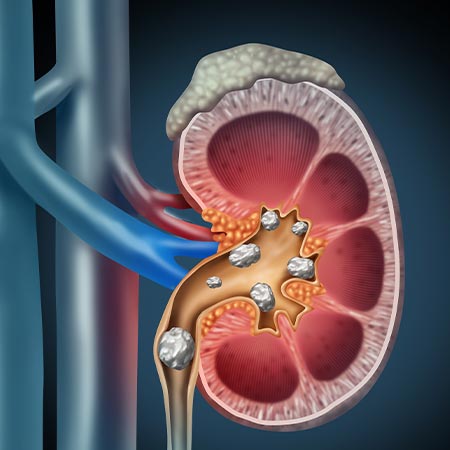
8. Left kidney problems (infection or stones)
Kidney stones or pyelonephritis on the left side can cause flank pain that sometimes refers toward the left upper quadrant and may include urinary symptoms or fever.
9. Splenic vein thrombosis
Clots affecting blood flow around the spleen can cause localized pain and are associated with certain clotting disorders and pancreatitis.
10. Left lower lobe pneumonia or pleurisy
Lung inflammation or infection near the left lower lung can cause sharp pain with breathing or coughing; respiratory symptoms such as cough and shortness of breath may accompany it.
11. Pulmonary embolism
Although often presenting as chest pain or shortness of breath, a clot in the lung can occasionally cause localized left-sided pain and should be considered in high-risk patients.
12. Rib fracture or costochondritis
Broken ribs, bruising, or inflammation at rib-cartilage junctions can cause focal tenderness worsened by movement or deep breaths.
13. Muscular strain
Overuse or injury to abdominal or intercostal muscles can produce localized aching or sharp pain, often reproducible with movement.
14. Herpes zoster (shingles)
Early shingles may cause burning pain in a band on one side of the torso before the typical rash appears.
15. Colonic causes (diverticulitis, colitis)
Inflammation of the colon, including left-sided diverticulitis, may present with localized abdominal pain and changes in bowel habits.
16. Constipation
Severe or chronic constipation can cause discomfort across the abdomen including the left upper region, often relieved after bowel movements.
17. Ovarian or gynecologic causes (referred pain)
In females, pelvic conditions can sometimes refer pain upward; assessment includes menstrual and reproductive history.
18. Referred cardiac pain
Although more commonly felt in the chest or left shoulder, certain heart conditions can cause upper abdominal discomfort and should be evaluated when risk factors exist.
19. Abdominal aortic aneurysm (posterior extension)
An expanding aneurysm can cause flank or back pain; this is more typical in older adults with vascular risk factors.
20. Functional or non-specific abdominal pain
Some presentations have no clear structural cause after evaluation and may be labeled functional abdominal pain, requiring symptom-focused management.
How clinicians evaluate left upper quadrant pain
Evaluation often starts with a focused history and physical examination to check for tenderness, signs of infection, or trauma. Blood tests (complete blood count, liver and pancreatic enzymes, inflammatory markers), urinalysis, and imaging (chest X-ray, abdominal ultrasound, or CT scan) are common diagnostic tools. Referral to specialists such as gastroenterology, urology, or pulmonology may follow depending on initial findings.
When to seek urgent care or emergency treatment
Immediate medical attention is recommended for sudden severe pain, fainting, a drop in blood pressure, rapid heartbeat, difficulty breathing, high fever, vomiting blood, or signs of internal bleeding. For structured public guidance on urgent symptoms and triage, national health services and emergency care protocols provide symptom checkers and advice; one such resource is the NHS, which outlines red-flag symptoms for abdominal pain and when to seek help officially.
Prevention and general management principles
Prevention depends on the underlying cause: infection control, safe handling to avoid trauma, alcohol moderation to reduce pancreatitis risk, balanced diet and fiber to prevent constipation and diverticulitis, and management of chronic illnesses that increase clot or infection risk. Symptom management may include hydration, rest, and over-the-counter pain relief where appropriate, though targeted treatment depends on diagnosis.
Frequently Asked Questions
What causes left upper quadrant pain and when is it serious?
Left upper quadrant pain can result from spleen, stomach, pancreas, kidney, lung, or musculoskeletal problems. It is potentially serious when accompanied by fainting, severe weakness, high fever, rapid heartbeat, difficulty breathing, vomiting blood, or signs of shock; these warrant immediate medical attention.
Can a sore muscle cause left upper quadrant pain?
Yes. Muscle strain or injury to the abdominal or intercostal muscles often causes localized pain that worsens with movement and improves with rest and time.
How is splenic pain different from stomach pain?
Splenic pain tends to be located more laterally and under the left ribs and may be associated with a feeling of fullness. Stomach pain from gastric conditions is often central or upper-midline and may include burning, indigestion, or food-related patterns.
Is imaging always needed to diagnose the cause of left upper quadrant pain?
Not always. Mild, clearly musculoskeletal pain may be managed conservatively. However, if clinical signs suggest internal organ involvement, infection, or injury, imaging such as ultrasound or CT is commonly used to clarify the diagnosis.
When should a child with left upper quadrant pain see a doctor?
Children with persistent or severe pain, fever, vomiting, inability to eat or drink, blood in vomit or stool, or signs of shock should receive prompt medical evaluation. Pediatric assessment often differs from adult care and may require tailored testing.
Note: This article provides general information and does not replace professional medical assessment. For diagnosis and treatment, follow local clinical guidance and consult health services as needed.