Energy Efficient Lighting Controls: Do You Need Them to Qualify for Rebates?
-

- Published Updated
- 4,498 views
A lot of property owners assume that swapping old bulbs for LED fixtures is the whole rebate story. It used to be. Not anymore. Utility programs across the country have shifted their focus, and energy efficient lighting rebates in 2026 increasingly reward buildings that pair new fixtures with smart controls, not just the fixtures alone. If you are planning an upgrade and wondering whether occupancy sensors, dimmers, or daylight sensing are actually required, this guide breaks down what has changed, what still qualifies, and how Vision Line helps facilities capture the biggest possible rebate.
LED Bulbs vs Incandescent: Why Energy Efficient Lighting Starts With the Fixture
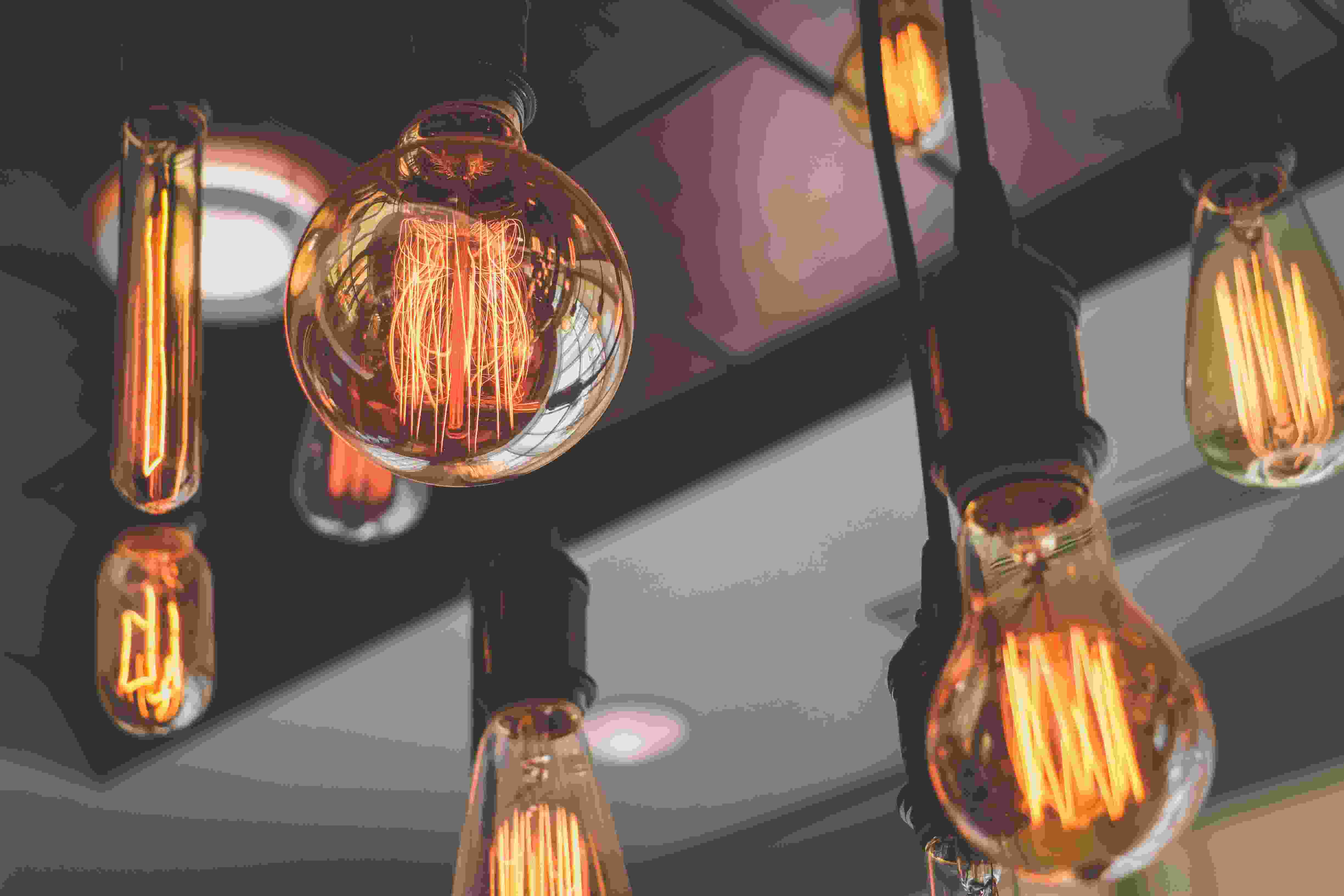
Before controls even enter the picture, the fixture itself has to be efficient. In the debate of led bulbs vs incandescent, the numbers are not close. Incandescent bulbs waste most of their energy as heat, sending only a small fraction of the power they use toward actual light. LED bulbs flip that ratio, converting far more of their energy into usable light while producing very little heat. Incandescent versus led also comes down to lifespan. A typical incandescent bulb lasts about a year of steady use, while a quality LED fixture can run for over a decade before it needs replacing. That difference alone changes the entire maintenance and labor cost of running a commercial building.
Are There Any Real Benefits of Incandescent Bulbs
To be fair, there are a few small benefits of incandescent bulbs worth mentioning. They are cheap to buy upfront, they produce a warm, familiar glow, and they do not require any special dimmer compatibility. For a small residential lamp, that might be enough reason to stick with them. But for a commercial facility running lights for ten or more hours a day across dozens or hundreds of fixtures, those small upfront savings disappear fast once you add up the energy waste, the frequent bulb changes, and the fact that incandescent lighting rarely qualifies for any utility rebate at all. For any business serious about cutting costs, energy efficient lighting is simply the better long term investment.
What Are Lighting Controls
Lighting controls are the systems that manage when and how your fixtures operate, rather than just providing constant power at a fixed brightness. The most common types include occupancy sensors that turn lights on and off based on movement in a room, daylight sensors that dim electric lighting when natural light is already available, scheduling systems that shut lights off automatically after hours, and dimming controls that let staff adjust brightness to fit the task. On their own, LED fixtures already save energy compared to older lighting. Add controls on top, and a facility can cut its lighting energy use even further by only running lights at full power when they are actually needed.
Do You Need Lighting Controls to Qualify for Energy Efficient Lighting Rebates
Here is the honest answer. In many parts of the country, you do not always need controls to qualify for a basic energy efficient lighting rebate on fixture replacement alone. But utility programs are moving quickly in that direction. Rebate administrators have noticed that fixture upgrades alone only capture part of the possible energy savings, so more and more programs are now increasing payouts specifically for projects that add occupancy sensors, daylight harvesting, or full networked control systems, and some programs are starting to require controls for a facility to unlock the highest rebate tier. In short, controls are shifting from optional to expected if you want to capture the full financial benefit of an upgrade, not just the minimum. This is exactly why a proper lighting analysis before your project starts matters so much, since it identifies which rebate tier your facility can realistically reach.
How Lighting Controls Increase Your Rebate Payout
Most rebate programs work on a base and bonus structure. You get a base incentive for switching to efficient LED fixtures, then additional bonus dollars stack on top for each qualifying control added to the project. Occupancy sensors, daylight dimming, and scheduling systems each typically add their own incentive layer, and combining several of them at once often produces the strongest total rebate. Facilities that skip controls are frequently leaving real money on the table without realizing it, simply because they upgraded fixtures without asking what additional systems the rebate program was actually rewarding that year.
Common Mistakes Facilities Make With Lighting Controls and Rebates
A surprising number of facilities lose rebate money simply because of small, avoidable mistakes. One common issue is installing controls that are not on the approved product list for the local utility program, which means the equipment does not count toward the rebate even though it works fine. Another mistake is skipping pre approval, since many programs require sign off before installation begins, and starting work early can disqualify the entire project. Facilities also sometimes install controls without proper commissioning, meaning the sensors and dimmers are never actually calibrated to perform correctly, so the promised energy savings never fully show up on the utility bill. Working with a trade ally electrician who already knows the paperwork, approved product lists, and commissioning requirements is the easiest way to avoid all three of these problems at once.
How to Check What Your Local Utility Requires
Rebate requirements are not the same everywhere. Some utility territories reward almost any fixture upgrade with a solid base rebate. Others have shifted heavily toward rewarding, or requiring, networked lighting controls before a project qualifies for anything beyond a minimal payout. Since these rules change from year to year and utility to utility, the safest approach is never to assume last year's rebate structure still applies. A current lighting analysis from a trade ally electrician will confirm exactly what your specific utility program expects in 2026, so your project is designed to qualify from the very first fixture installed rather than needing costly changes later.
Vision Line Energy Efficient Lighting Services
Vision Line is a licensed commercial electrician specializing in energy efficient lighting for warehouses, manufacturing plants, food and beverage facilities, and third party logistics operations across the New Jersey Tri State area and beyond. The team has helped businesses reduce lighting energy consumption by as much as 70 percent when fixtures and the right rebate program are combined correctly.
- Free lighting and energy analysis. Vision Line reviews your current system and identifies which rebate tier, including controls, your facility can qualify for before any work begins.
- Full turnkey process. Design, lumen packages, lighting controls, and installation are all handled by one certified team.
- Trade ally status. As a recognized trade ally with multiple utility companies, Vision Line has a 100% rebate application success rate and manages the paperwork in house.
- DLC Premium and ENERGY STAR fixtures. Certified fixtures are stocked in house, allowing installation to typically begin within two weeks of final approval.
- Flexible financing. Vision Line offers 60 month interest free financing so facilities can add fixtures and controls together without a large upfront cost.
- Proven results. Ross at Colorite reduced energy consumption by 90% after a Vision Line LED lighting upgrade, saving over $80,000 a year with a payback period of just 1.4 years.
Make Your Energy Efficient Lighting Upgrade Count
Fixtures alone are no longer the full rebate story, and property owners who treat energy efficient lighting as a simple bulb swap risk leaving significant rebate dollars unclaimed. Controls are quickly becoming the difference between a basic rebate and the maximum payout your facility could actually receive. Vision Line evaluates your building, matches your project to the current rebate structure, and installs both the fixtures and the controls needed to qualify for the top tier available. Reach out to Vision Line today for a free lighting and energy analysis and see what your facility could save.
Frequently Asked Questions
Do I need occupancy sensors to qualify for an energy efficient lighting rebate?
Not always for the base rebate, but many programs now offer higher payouts, and sometimes require controls, to reach the top rebate tier. A lighting analysis will confirm exactly what your local utility program requires.
What is the real difference in led bulbs vs incandescent for a commercial building?
LED bulbs use far less energy, last many times longer, and produce much less heat than incandescent bulbs. Over the lifespan of a commercial lighting system, that difference adds up to significant savings in both energy and maintenance costs.
Are there any benefits of incandescent bulbs for a business?
The main benefits are a lower upfront cost and a warm, familiar glow, but incandescent bulbs rarely qualify for utility rebates and cost far more to run and maintain over time in a commercial setting.
Can lighting controls be added to an existing LED system later, or do they need to be installed at the same time?
Controls can sometimes be added afterward, but installing fixtures and controls together as one project usually qualifies for a stronger combined rebate and avoids the cost of a second installation visit.
Does Vision Line handle both the lighting fixtures and the control systems?
Yes. Vision Line manages the full project, including fixture selection, control system design, installation, and rebate paperwork, all through one certified team.
Read more: https://visionline.co/2026/01/what-industries-are-adopting-led-lighting-the-fastest/