Linoleum Flooring Market Trends Shaping Future Demand Through Sustainable Design and Construction Innovation.
-

- Published Updated
- 4,831 views
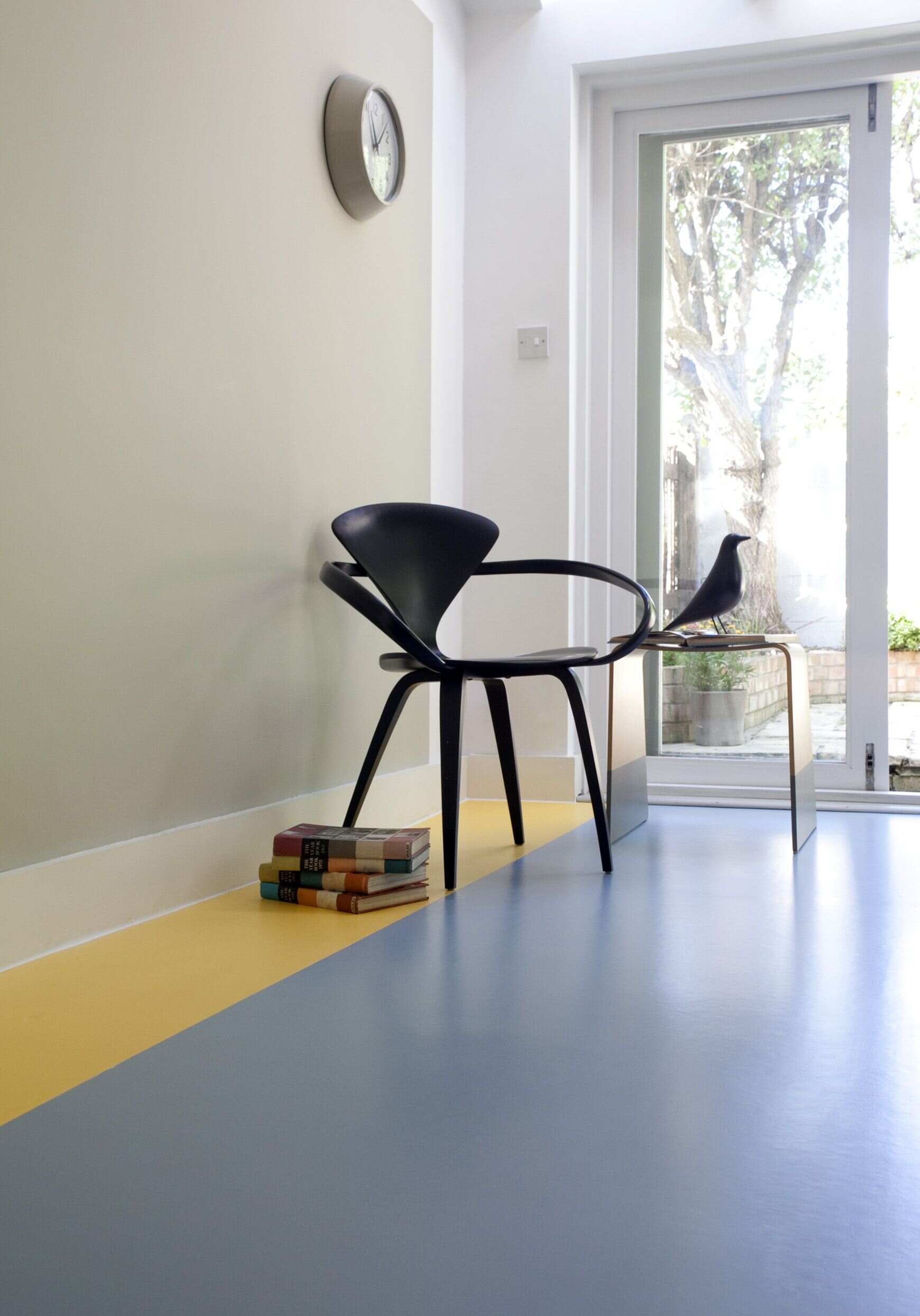
The Linoleum Flooring Market is evolving as architects, builders, facility managers, and consumers increasingly seek flooring solutions that combine durability, attractive design, easy maintenance, and environmental responsibility. Linoleum has traditionally been recognized as a resilient flooring material, but its role is expanding as modern construction projects place greater emphasis on sustainable materials, healthier indoor environments, and long-term value.
Changing preferences across residential, commercial, healthcare, education, hospitality, and institutional spaces are creating new opportunities for manufacturers. Product improvements, innovative designs, improved installation systems, and growing awareness of environmentally responsible construction are influencing purchasing decisions.
The Linoleum Flooring Market Trends Shaping Future Demand are therefore closely connected with sustainability, design flexibility, technological development, and changing building requirements.
Growing Preference for Sustainable Flooring Solutions
Sustainability is becoming one of the strongest influences on flooring selection. Builders and property owners are increasingly evaluating materials according to their environmental impact throughout their lifecycle.
Linoleum is well positioned within this movement because it is traditionally produced using materials such as linseed oil, wood flour, cork dust, natural resins, and mineral fillers. Its association with renewable and naturally derived ingredients makes it attractive for projects seeking environmentally conscious flooring options.
Green construction initiatives are also encouraging developers to consider materials that support broader sustainability objectives. As businesses seek to reduce waste and improve resource efficiency, flooring manufacturers are expected to focus on responsible sourcing, efficient production, recyclability, and longer product lifecycles.
This trend can strengthen demand for linoleum in projects where environmental performance is an important purchasing criterion.
Design Innovation Expands Product Appeal
Modern flooring is no longer selected only for practical performance. Interior aesthetics have become equally important, particularly in commercial spaces, hotels, offices, retail stores, schools, and contemporary residential interiors.
Manufacturers are expanding color palettes, patterns, textures, and surface finishes to make linoleum suitable for a wider range of architectural concepts. Designers can increasingly use flooring as an element of visual identity rather than simply as a functional surface.
Natural-inspired shades, geometric patterns, subtle textures, and contemporary finishes can help linoleum adapt to different interior styles. Customization is another potential growth area, particularly for commercial projects requiring distinctive designs.
As design flexibility improves, linoleum can compete more effectively with other resilient flooring materials across visually demanding applications.
Rising Demand for Healthy Indoor Environments
Indoor environmental quality is becoming an important consideration in building design. Schools, hospitals, offices, and residential properties are paying greater attention to materials used inside occupied spaces.
Flooring can influence maintenance requirements, indoor cleanliness, and the overall user experience. Consequently, buyers are increasingly interested in surfaces that are practical to maintain and compatible with demanding hygiene requirements.
Linoleum's use in healthcare, educational, and institutional environments demonstrates its potential in applications where durability and cleanliness are important. Future product development may focus on surfaces that are easier to clean, more resistant to wear, and better suited to high-traffic environments.
This shift toward healthier and more comfortable indoor spaces could support continued interest in resilient flooring solutions.
Expansion Across Commercial and Institutional Buildings
Commercial construction represents an important opportunity for linoleum manufacturers. Offices, retail outlets, educational institutions, healthcare facilities, hospitality properties, and public buildings require flooring that can withstand frequent foot traffic while maintaining an attractive appearance.
Renovation activity can create another source of demand. Existing buildings often require flooring replacement without extensive structural changes. Products that offer practical installation, reliable durability, and minimal maintenance can become attractive choices for renovation projects.
Healthcare and education facilities may be particularly significant because these environments require durable surfaces that can accommodate heavy use and regular cleaning.
As commercial buildings evolve toward more functional, sustainable, and visually appealing interiors, linoleum can benefit from increased consideration during material selection.
Technological Improvements in Installation
Installation efficiency is becoming increasingly important for contractors and property owners. Construction projects often operate under strict schedules, making installation time an important factor in material selection.
Manufacturers are developing flooring formats and installation approaches designed to simplify handling and application. Improved sheet systems, tiles, modular formats, adhesive technologies, and installation accessories can help reduce project complexity.
Easier installation can also make flooring more attractive for renovation projects, where businesses may want to minimize disruption to daily operations.
Future innovations are likely to emphasize faster installation, improved dimensional stability, stronger seams, and better compatibility with different subfloor conditions.
Greater Interest in Long-Term Cost Efficiency
Initial purchase price is only one part of flooring economics. Property owners increasingly consider the total cost associated with installation, maintenance, repairs, replacement, and product lifespan.
Durable flooring can provide long-term value when it remains functional and visually acceptable for many years. Linoleum's resilience makes it suitable for environments where flooring is exposed to repeated foot traffic.
Manufacturers can strengthen this advantage by improving wear resistance, surface protection, maintenance characteristics, and product longevity.
The emphasis on lifecycle value is particularly relevant for large commercial and institutional projects, where frequent flooring replacement can create significant operational costs.
Growing Adoption in Sustainable Residential Interiors
Residential buyers are also becoming more conscious of material choices. Homeowners increasingly seek products that combine attractive design with durability and environmental considerations.
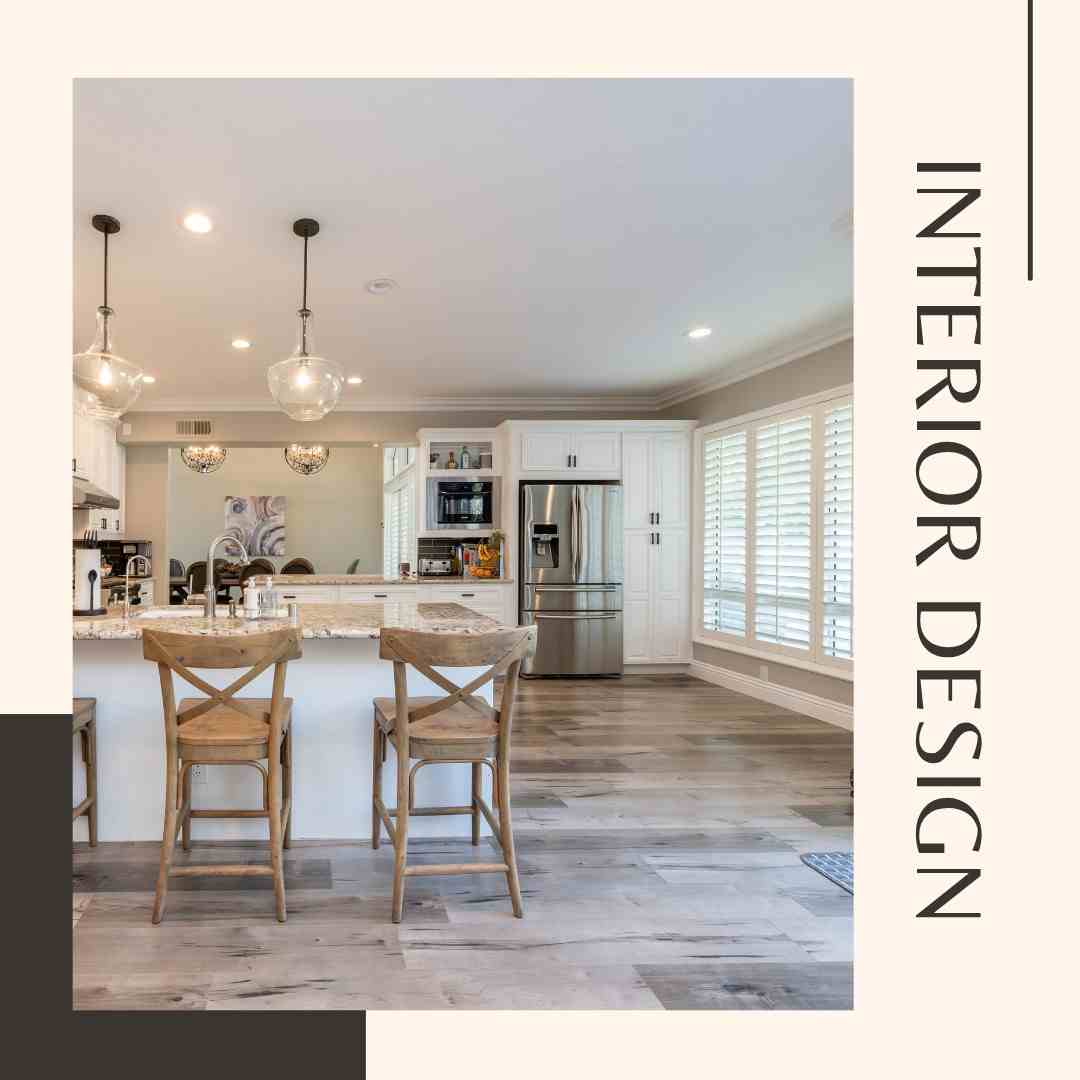
Linoleum can appeal to consumers interested in natural-looking interiors and sustainable home improvement. Its range of colors and patterns allows it to fit kitchens, hallways, living spaces, bedrooms, and other areas where resilient flooring is desirable.
The renovation market could provide additional opportunities as homeowners update older properties. Flooring replacement is a relatively visible way to transform interior spaces, making aesthetics and sustainability important purchasing factors.
Digital home-design platforms and online inspiration are also exposing consumers to a broader range of flooring styles, potentially increasing awareness of alternatives to conventional materials.
Digitalization Influences Flooring Purchasing Decisions
Digital technology is changing how flooring products are researched and selected. Customers can now explore product catalogs, compare designs, review technical specifications, and visualize materials before making purchasing decisions.
Manufacturers and distributors can use digital platforms to provide detailed installation information, room visualization tools, maintenance guidance, and product comparisons.
Virtual visualization can be particularly useful for linoleum because color and pattern selection strongly influence purchasing decisions. Allowing customers to see different flooring options within simulated environments can simplify decision-making.
Digital sales channels may therefore become increasingly important for both residential and commercial customers.
Focus on Product Durability and Performance
Future demand will also depend on continuous improvements in product performance. Flooring exposed to heavy traffic must resist wear while retaining its appearance and functionality.
Manufacturers are likely to concentrate on improving resistance to scratches, stains, moisture, and heavy use. Enhanced surface treatments can help extend product life and simplify maintenance.
Performance improvements can broaden the range of applications where linoleum is considered suitable. Better technical characteristics can help manufacturers compete in demanding environments while reinforcing the material's reputation for durability.
Customization Creates New Commercial Opportunities
Customization is becoming increasingly valuable in commercial interior design. Businesses often want spaces that reflect their brand identity, while architects may require flooring that fits a particular design concept.
Linoleum can support this trend through combinations of colors, patterns, borders, and layouts. Large projects may also benefit from customized design solutions that create distinctive visual environments.
This opportunity could encourage manufacturers to develop flexible production capabilities and digital design tools that allow greater personalization without creating excessive production complexity.
Future Outlook for the Linoleum Flooring Market
The future of the Linoleum Flooring Market will be shaped by a combination of sustainability, design innovation, durability, healthier interiors, and changing construction practices. Rather than competing solely on price, manufacturers have opportunities to differentiate their products through environmental credentials, improved performance, customization, and installation convenience.
The growing importance of sustainable buildings is particularly significant. As developers and consumers become more aware of material choices, flooring products with renewable inputs and long service potential can gain greater attention.
At the same time, advances in manufacturing and design can help linoleum serve modern architectural requirements. Commercial renovations, institutional construction, residential remodeling, and environmentally focused developments all offer potential avenues for future expansion.
Ultimately, the Linoleum Flooring Market Trends Shaping Future Demand point toward a market increasingly influenced by the combination of environmental responsibility, functionality, aesthetics, and lifecycle value. Companies that respond to these changing expectations with innovative products and customer-focused solutions are likely to be better positioned to capture emerging opportunities.
Read more.....https://www.pristinemarketinsights.com/linoleum-flooring-market-report