Liposuction in Dubai vs Other Body Contouring: A Practical Comparison and Decision Guide
-

- March 07th, 2026
- 335 views

FREE SEO Topical Map Generator: Find Your Next Content Ideas
Liposuction in Dubai is a common choice for patients looking to remove localized fat deposits and improve body contours. This comparison guide explains how liposuction differs from non-surgical body contouring, energy-assisted liposuction technologies, and surgical alternatives like abdominoplasty. Use the details below to match realistic expectations, recovery timelines, and outcomes to patient goals.
- Liposuction in Dubai removes localized fat surgically and typically provides more dramatic contour changes than non-surgical options.
- Non-surgical options (cryolipolysis, HIFU, radiofrequency) reduce small fat pockets with minimal downtime but less predictable volume loss.
- Surgical alternatives (abdominoplasty, body lift) address skin laxity and larger volume removal; expect longer recovery and more scarring.
Detected intent: Commercial Investigation
Liposuction in Dubai: Procedure Types and What to Expect
What liposuction removes and who is a candidate
Liposuction targets subcutaneous fat—fat located under the skin but above the muscle. Suitable candidates have stable body weight, localized fat pockets (abdomen, flanks, inner thighs, arms, chin), and good skin elasticity. Liposuction is not a weight-loss procedure or substitute for healthy lifestyle changes.
Common liposuction techniques
- Tumescent liposuction: fluid injection with local anesthesia to minimize bleeding.
- Ultrasound-assisted (VASER) liposuction: uses ultrasound energy to loosen fat before removal.
- Laser-assisted lipolysis: applies laser energy to melt fat and stimulate some skin tightening.
- Surgical suction-assisted lipectomy: traditional mechanical removal, often used for larger volumes.
How Liposuction Compares with Other Body Contouring Options
Non-surgical body contouring (Cryolipolysis, HIFU, RF)
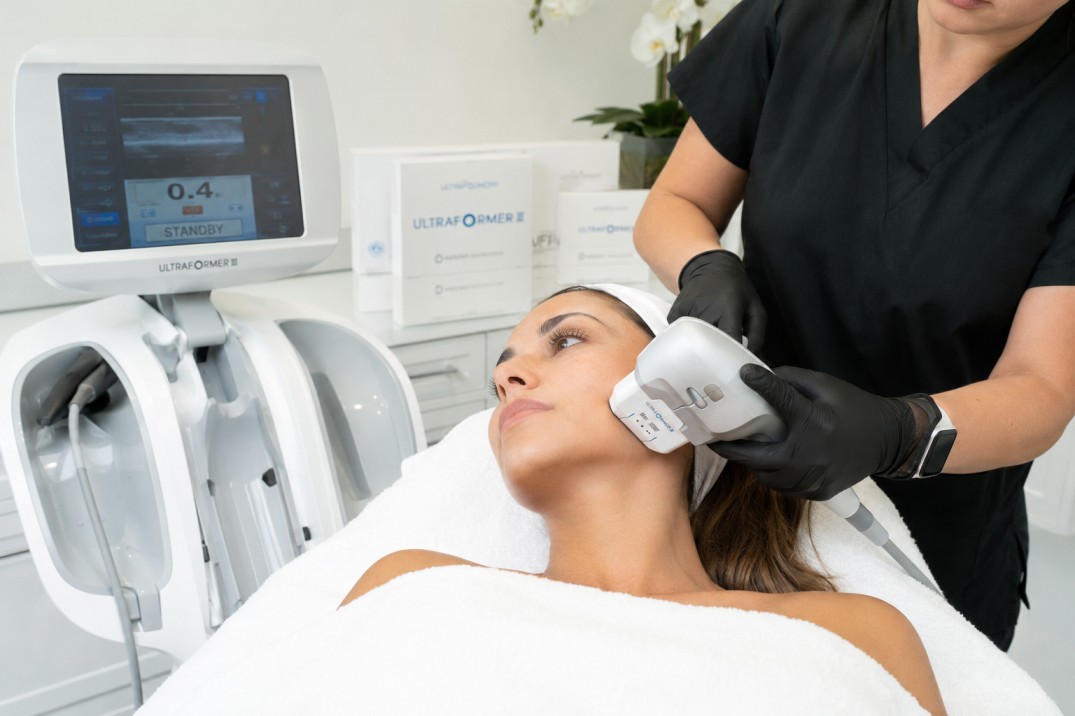
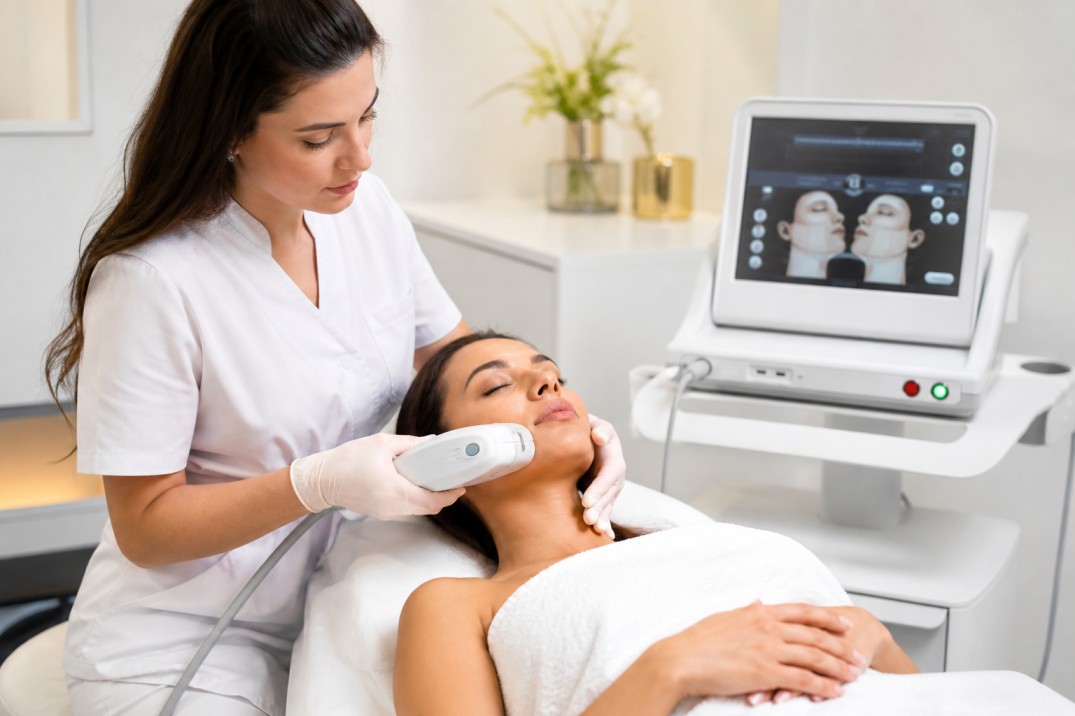
Methods like cryolipolysis (fat freezing), high-intensity focused ultrasound (HIFU), and radiofrequency (RF) tighten skin and reduce small fat pockets. These are outpatient treatments with minimal downtime and lower immediate risk, but results are gradual, variable, and usually less dramatic than liposuction.
Surgical alternatives (abdominoplasty, body lift, fat grafting)
Abdominoplasty addresses excess skin and diastasis recti while removing fat—appropriate after major weight loss or pregnancy. Body lifts are used for circumferential tissue removal after massive weight loss. Fat grafting (autologous fat transfer) can recontour areas by moving fat rather than discarding it. These surgeries involve longer recovery and visible scars but can deliver transformative results when liposuction alone is insufficient.
Comparative trade-offs
Liposuction vs non-surgical: faster, more predictable volume removal with more downtime and risk. Liposuction vs abdominoplasty: liposuction preserves skin but cannot correct severe skin laxity or muscle separation. Energy-assisted liposuction (VASER, laser) often claims better skin tightening; however, evidence varies by device and patient factors.
Decision Framework: 3-2-1 BODYCHECK Checklist
Use the 3-2-1 BODYCHECK checklist to evaluate options before a consultation:
- 3 Goals: list the top three contour goals (volume reduction, skin tightening, shape restoring).
- 2 Constraints: note two non-negotiables (downtime, scar tolerance).
- 1 Vital Health Clearance: ensure medical clearance for anesthesia and wound healing.
- BODYCHECK specifics: Body area, Overlap with other issues (skin laxity, muscle laxity), Desired timeline, Yield expectations (realistic volume change), Comfort with anesthesia, Healing support, Expertise of the surgeon, Key risks discussed.
Short real-world example
Scenario: A 35-year-old patient with persistent flank fat after pregnancy and good skin elasticity wants visible contour improvement before summer. After applying the 3-2-1 BODYCHECK checklist, liposuction (tumescent or VASER) appears appropriate because goals focus on volume reduction, downtime of 2–3 weeks is acceptable, and no significant skin laxity is present. Non-surgical cryolipolysis would require multiple sessions and produce subtler results.
Practical Tips for Choosing a Procedure and Clinic in Dubai
- Verify surgeon credentials and membership in recognized bodies (for example, the American Society of Plastic Surgeons or regional plastic surgery societies).
- Request before-and-after photos of similar body types and the exact technique used (tumescent, VASER, laser-assisted).
- Ask about anesthesia type, expected downtime, garment protocols, and perioperative infection prevention.
- Plan for realistic recovery: arrange 1–3 weeks off work for moderate procedures; longer for combined surgeries.
- Seek clinics that follow established safety standards; consult resources such as the American Society of Plastic Surgeons for general best practices (source).
Common mistakes and trade-offs
- Expecting significant weight loss: liposuction removes pockets, not large weight amounts.
- Choosing non-surgical methods for extensive fat pockets: leads to disappointment with limited change.
- Underestimating the importance of skin quality: poor elasticity may require a combined approach (liposuction plus skin excision).
- Prioritizing price over credentials: lower cost can mean less experienced providers or inadequate facilities.
Recovery, Risks, and Long-Term Results
Typical recovery timeline
Initial swelling and bruising peak in the first week; most patients return to light work within a few days to two weeks, depending on the extent. Compression garments are commonly worn for 4–6 weeks. Final contour can take 3–6 months as swelling resolves.
Potential risks to discuss
Risks include infection, asymmetry, contour irregularities, seroma, numbness, pigmentation changes, and rare but serious complications such as deep vein thrombosis. Proper patient selection and perioperative protocols reduce these risks.
Core Cluster Questions
- How does liposuction compare to CoolSculpting for small fat pockets?
- When is abdominoplasty preferable to liposuction?
- What are the recovery times for energy-assisted liposuction vs traditional liposuction?
- Can non-surgical skin tightening replace a surgical lift after weight loss?
- How to choose a qualified body contouring surgeon in Dubai?
Practical takeaways
- Match procedure to the primary problem: fat volume vs skin laxity vs muscle separation.
- Use the 3-2-1 BODYCHECK checklist before booking a procedure-specific consultation.
- Expect recovery and staging: some patients benefit from staged treatments (e.g., liposuction first, then skin excision if needed).
- Confirm facility accreditation, surgeon board affiliation, and clear informed consent covering realistic outcomes and risks.
FAQ
Is liposuction in Dubai safe and effective?
When performed by a qualified surgeon in an accredited facility, liposuction is generally safe and effective for targeted fat removal. Safety improves with proper patient screening, perioperative protocols, and post-op follow-up. Refer to guidance from major surgical societies for best practices.
How does recovery after liposuction compare to non-surgical options?
Liposuction typically involves more immediate downtime—days to weeks—compared with non-surgical treatments that permit same-day activity. However, liposuction usually delivers faster, more pronounced contour changes.
Can liposuction address loose or excess skin?
Liposuction alone may tighten mild skin laxity, especially with energy-assisted devices, but significant excess skin often requires excisional surgery such as abdominoplasty or a body lift.
What factors influence the choice between VASER, laser-assisted, and traditional liposuction?
Factors include the treatment area, skin quality, volume of fat, surgeon experience, and the patient’s tolerance for downtime and risk. Each modality has distinct trade-offs in tissue effect and postoperative healing.
How long do liposuction results last in Dubai?
Results can be long-lasting if body weight is maintained. Significant weight gain or aging-related changes can alter contours over time. Combining lifestyle measures with the procedure helps preserve outcomes.