Why the Long Overcoat for Men Remains a Wardrobe Essential
-

- Published Updated
- 1,845 views
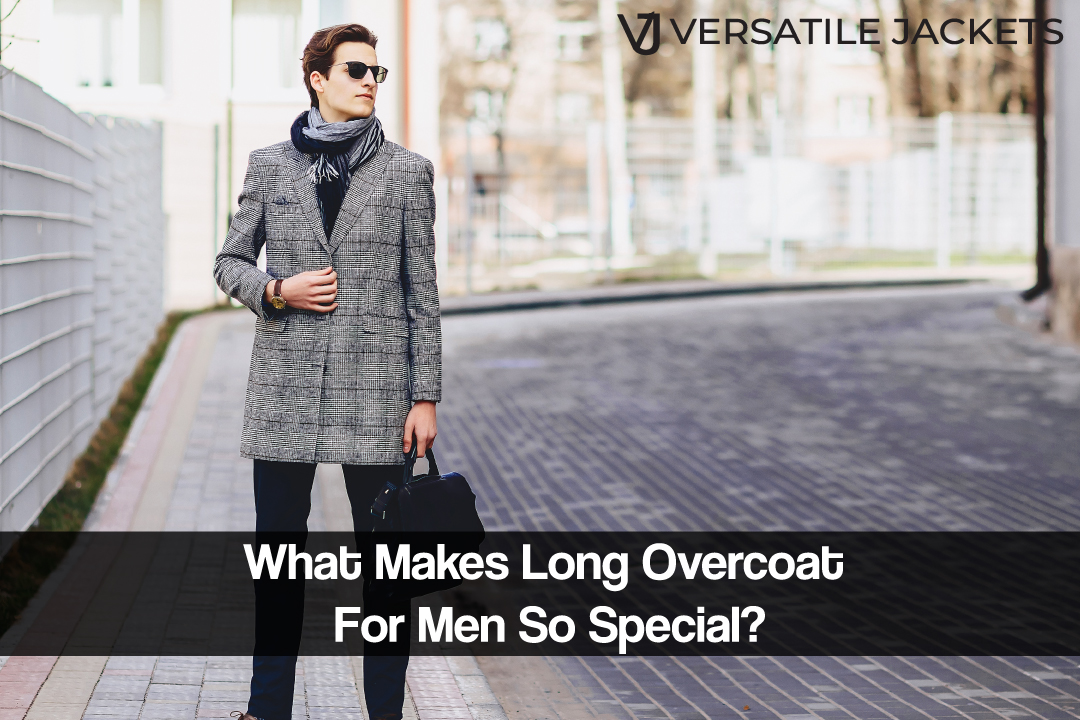
An enduring staple of men’s outerwear, the long overcoat for men combines function and style across climates and decades. Worn for warmth, layering, and silhouette, a long overcoat can define an outfit while protecting from wind and rain; understanding its construction, materials, and fit helps in choosing a piece that lasts and adapts to changing wardrobes.
- A long overcoat for men is valued for its length, insulation, and classic silhouette.
- Key considerations: fabric (wool, cashmere, blends), lining, tailoring and fit.
- Styling ranges from formal layering over suits to casual looks with jeans and knitwear.
- Proper care and occasional tailoring extend service life; sustainable sourcing is increasingly important.
Why a long overcoat for men is special
The long overcoat for men is distinctive because it combines coverage with a vertical line that lengthens the wearer’s profile. Historically associated with formal dress and protective outer layers in cold climates, the long overcoat offers practical insulation while preserving a clean, uninterrupted silhouette. This combination of utility and aesthetic versatility keeps the style relevant across eras and fashion cycles.
Materials and construction
Wool, cashmere, and blends
Traditional long overcoats are most often made from wool, which provides natural insulation, breathability, and resilience. Higher-end versions use cashmere or wool-cashmere blends for a softer hand and lighter weight with comparable warmth. Technical and synthetic blends (polyester or nylon mixes) add water resistance and durability while often reducing cost.
Lining, interlining, and insulation
Linings improve comfort and ease of movement; typical lining materials include viscose, polyester, and silk blends. Some coats include interlinings or quilted inserts for added warmth without bulk. The construction quality of seams, shoulder pads, and button or closure placements influences both comfort and long-term shape retention.
Design, fit, and silhouette
Length and proportion
Long overcoats generally fall anywhere from mid-thigh to below the knee. The chosen length affects formality and mobility: knee-length coats are more formal and protective, while shorter long coats offer easier movement. Proportion relative to body height is important to maintain balance in the overall silhouette.
Single-breasted vs. double-breasted
Single-breasted designs present a streamlined look suitable for layering over suits or casual outfits. Double-breasted overcoats create a broader chest appearance and often read as more formal or traditional. Lapel width, collar style, and vent placement (center or side vents) all contribute to the coat’s visual and functional performance.
When and how to wear a long overcoat for men
Formal and business wear
Overcoats complement suits by preserving the clean lines of tailored garments. Neutral colors such as charcoal, navy, or camel are versatile and commonly selected for business settings. A properly tailored overcoat should allow a suit jacket to sit comfortably underneath without pulling at the shoulders or lapels.
Casual styling
Layering a long overcoat over knitwear, denim, or chinos creates a modern casual look that remains weather-appropriate. Mixing textures (a tweed coat with denim, for example) adds visual interest. Footwear choices from leather boots to sneakers will change the overall formality.
Care, maintenance, and longevity
Cleaning and storage
Frequent dry cleaning can degrade natural fibers; spot cleaning and airing out a coat after wear reduce the need for professional cleaning. Proper storage on a broad, shaped hanger helps preserve shoulder structure; seasonal storage in breathable garment bags protects against dust and pests.
Minor repairs and tailoring
Replacing buttons, repairing seams, and adjusting hems extend usable life. Tailoring can refine fit after purchase, particularly if the coat will be worn over varying layers. Investing in small repairs often proves more sustainable and economical than replacement.
Sustainability and sourcing
Interest in ethical and sustainable textiles is influencing long overcoat production. Options include responsibly sourced wool, recycled fibers, and transparent supply chains. Certifications and information from textile research bodies or museum collections can provide historical context and material science perspectives on traditional outerwear production.
For historical background and examples of outerwear evolution, museums and educational institutions document garments and materials; for instance, the Victoria and Albert Museum hosts resources on the history of menswear and textile construction (Victoria and Albert Museum).
Choosing the right long overcoat
Assess needs and environment
Select fabric weight and lining based on local climate and typical activities. A heavyweight wool with a warm interlining suits cold, windy environments; lighter wool or blends may be preferable in milder conditions.
Fit and investment
Prioritize fit across the shoulders and chest; length can be adjusted to taste, but structural elements determine comfort. A well-made coat can be a long-term wardrobe investment when cared for properly.
Cost versus value
Higher initial cost often reflects better materials and construction, which can translate to longer lifetime and improved appearance. Budget options can still provide utility but may require earlier replacement or more frequent maintenance.
Frequently asked questions
What is the best material for a long overcoat for men?
Wool and wool-cashmere blends are widely regarded as the best balance of warmth, durability, and drape. Weather-resistant blends can offer additional protection against moisture while reducing cost.
How should a long overcoat for men fit over a suit?
The overcoat should allow room for a suit jacket without tightness in the shoulders or chest, while maintaining a gentle silhouette. Sleeve length should cover the suit jacket cuff and sit near the wrist bone.
Can a long overcoat be styled casually?
Yes. Pairing with jeans, knitwear, or casual footwear modernizes the classic outerwear piece while retaining warmth and structure.
How often should a long overcoat be cleaned?
Cleaning frequency depends on use; airing out between wears and spot cleaning reduce the need for professional dry cleaning. Seasonal professional cleaning is common, but overuse of solvents can accelerate fiber wear.
Are there ethical or sustainable options for long overcoats?
Yes. Look for responsibly sourced wool, recycled fibers, and transparent supply chains. Certifications from recognized textile organizations and museum research on materials can clarify production practices and longevity considerations.